Relatively large global grain inventories, advances in agricultural technology and expanding export capacity in major producing countries could help protect international food supplies against potential climate-related production losses. However, geopolitical conflicts and disruptions to fertilizer and fuel supplies continue to create uncertainty for farmers, traders and food-importing countries.
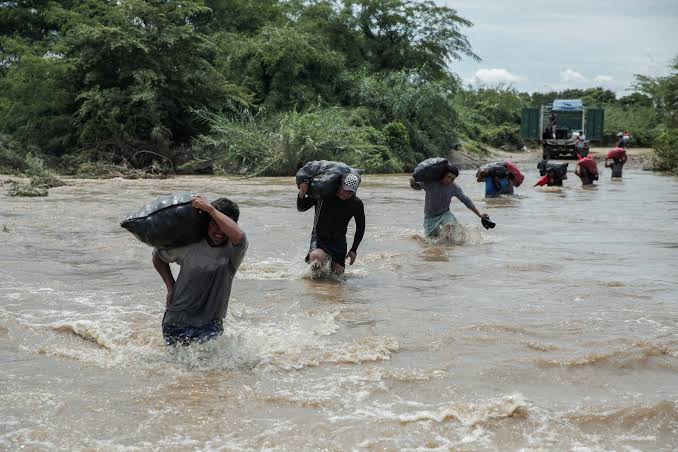
According to a Reuters report published in August 2026, near-record inventories, improvements in farming technology and the growing export capacity of countries such as Brazil and Russia are strengthening the resilience of global food supplies. These factors could help international markets manage regional crop losses associated with adverse weather conditions, including risks linked to a strengthening El Niño pattern.
Nevertheless, the extent of this protection will depend on the size and location of available stocks, the severity of weather-related damage and the ability of exporters to deliver agricultural commodities to international buyers.
Grain Inventories Provide a Supply Buffer
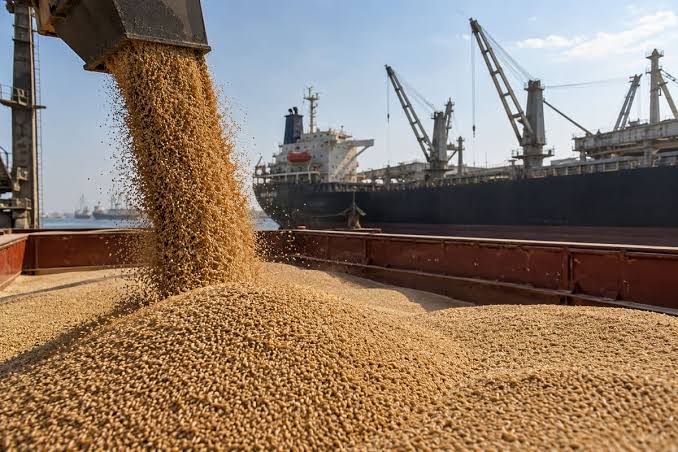
Global inventories play an important role in balancing agricultural markets when production fluctuates between seasons. Stocks of wheat, maize, rice and other cereals can help bridge temporary supply gaps caused by droughts, floods, extreme temperatures or other disruptions.
When production declines in one region, grain held in storage may help meet demand until supplies recover or alternative exporters increase shipments. This buffer can reduce the immediate pressure on markets, provided that stocks are accessible, commercially available and suitable for the required uses.
However, aggregate global inventories do not tell the entire story. Grain stocks may be concentrated in countries that consume most of their own production or are unwilling to release significant volumes for export. Consequently, the availability of exportable supplies is often as important as the overall size of global inventories.
The distribution of stocks among major producing and consuming countries will therefore influence how effectively the global market can respond to regional shortages.
Agricultural Technology Strengthens Resilience
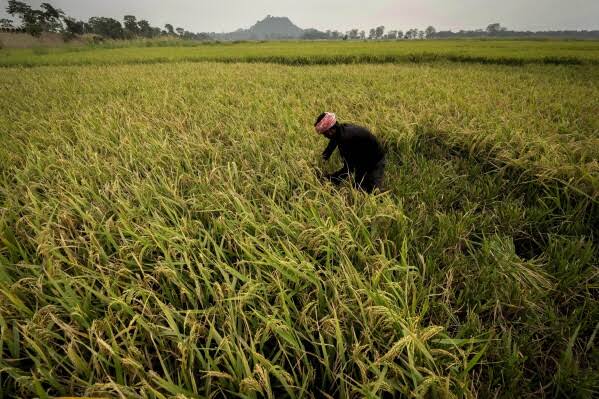
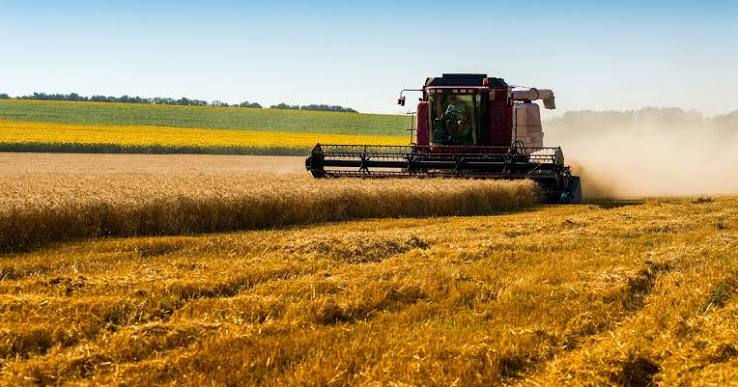
Advances in agricultural technology are helping farmers improve productivity and manage some production risks. Improved crop varieties, precision agriculture, digital weather forecasting, satellite-based monitoring and more efficient irrigation systems can support better farm-level decisions.
Drought-tolerant varieties may help maintain yields under limited water availability, while improved soil and water management can reduce the effects of unfavorable weather. Digital advisory services can also help farmers adjust planting schedules and respond to emerging crop stresses.
However, technology cannot eliminate all climate-related risks. Prolonged droughts, extreme heat and severe flooding can still cause substantial losses, particularly in areas with limited irrigation, inadequate infrastructure or restricted access to improved farming practices.
Access to technology, financing and agricultural extension services remains essential for ensuring that these benefits reach farmers across different regions.
Brazil and Russia Add to Export Capacity
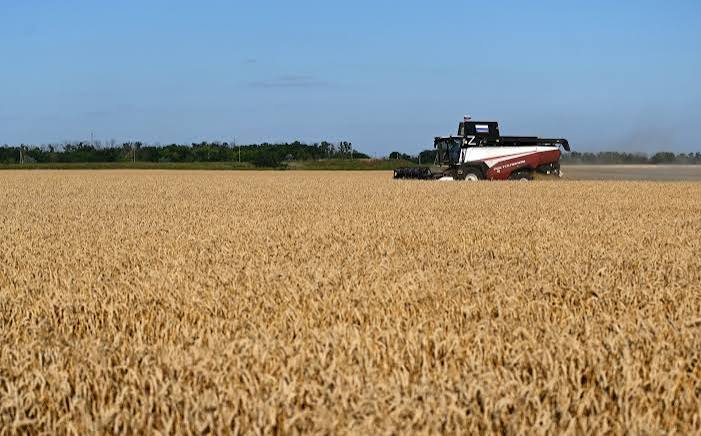
The export capacity of major agricultural producers can provide additional flexibility when regional supplies become constrained. Brazil is an important global supplier of several agricultural commodities, including soybeans and maize, while Russia is a major exporter of wheat.
Their production levels, export infrastructure and access to international markets can influence the availability of agricultural commodities during periods of market uncertainty.
Alternative suppliers can help importing countries diversify procurement and reduce dependence on a single exporting region. However, replacing lost supplies is not always straightforward because exportable surpluses, shipping capacity, seasonal harvests and transportation costs differ across countries.
Additional exports may also take time to reach markets affected by sudden supply disruptions.
Geopolitical Conflicts Remain a Major Risk
Despite the potential benefits of large inventories and improved technology, international food markets remain vulnerable to disruptions affecting agricultural inputs and transportation.
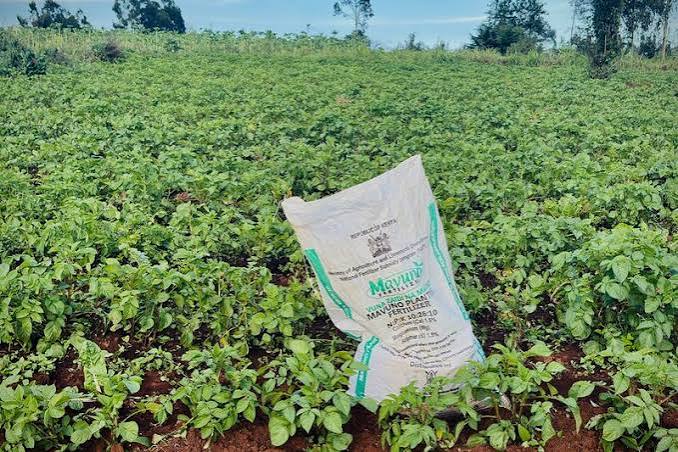
Fertilizers are essential for maintaining crop productivity, while fuel is required for farm machinery, irrigation, processing and transportation. Interruptions to the supply of these inputs can increase production expenses and reduce the profitability of agricultural operations.
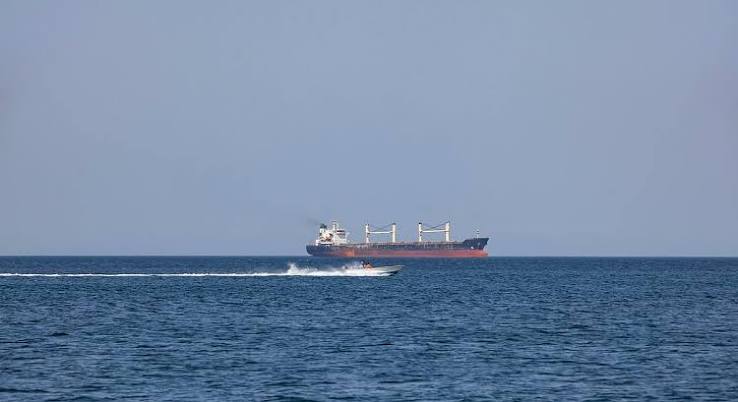
Geopolitical tensions can also disrupt shipping routes, raise insurance costs and delay commodity deliveries. Such developments may affect both farmers and consumers, even when global grain stocks remain comparatively high.
Import-dependent countries may face additional challenges if higher freight rates, currency fluctuations and rising input costs coincide with unfavorable weather.
Can Existing Stocks Offset Climate-Related Crop Losses?
The central question for agricultural markets is whether available inventories and alternative export routes can compensate for production losses in affected regions.
The answer will depend on the scale of the losses, the commodities involved, the distribution of available stocks and the capacity of other exporters to increase shipments. Strong inventories can provide valuable protection against temporary disruptions, but they cannot guarantee stable prices or prevent shortages in every market.
Governments and businesses will need to monitor crop conditions, stock levels, export availability and transportation developments to assess potential risks.
Outlook for Global Food Security
Large grain inventories, improved agricultural technology and diversified export capacity offer important safeguards against production uncertainty. Yet their effectiveness depends on reliable logistics, accessible supplies and continued availability of essential agricultural inputs.
As climate variability and geopolitical tensions continue to influence agricultural markets, strengthening storage infrastructure, improving farming resilience and diversifying supply chains will remain important priorities.


 By