US farmers are facing growing pressure from rising fertilizer costs as supplies of ammonia, a key raw material used in nitrogen fertilizers, become increasingly constrained. Reduced production in Trinidad and Tobago, combined with limited natural gas availability, is adding uncertainty to the fertilizer market and increasing concerns about input costs ahead of upcoming planting seasons.
According to a Reuters report published on November 2, 2026, production challenges in Trinidad and Tobago have affected the country’s fertilizer industry, reducing the availability of ammonia for international markets. The development is particularly significant for the United States, which depends partly on imported ammonia to meet agricultural and industrial demand.
Ammonia Prices Record a Significant Increase
The tightening supply situation has contributed to a substantial increase in ammonia prices across the US Midwest. Market quotations indicate that prices have climbed from approximately $600 per short ton in late June to around $875 per short ton in recent trading.
This increase reflects the pressure created by reduced supply and concerns over the availability of imported fertilizer materials. Ammonia is an essential component in the production of several nitrogen-based fertilizers, including urea and ammonium nitrate, which are widely used in modern crop production.
Higher ammonia prices can eventually translate into increased costs for fertilizer manufacturers, distributors and agricultural producers, particularly when supply shortages persist.
Trinidad and Tobago’s Role in Global Fertilizer Supply
Trinidad and Tobago has traditionally been an important producer and exporter of ammonia and other nitrogen-based fertilizer products. Its fertilizer industry benefits from access to natural gas, which serves as the primary feedstock for ammonia manufacturing.
However, declining natural gas availability and operational difficulties have created challenges for fertilizer production. The situation has become more complicated following the shutdown of Nutrien’s nitrogen operations in Trinidad, further tightening the supply outlook.
Any prolonged interruption in production could affect international ammonia trade and increase competition among importing countries seeking alternative supplies.
Impact on US Farmers and Agricultural Production
Nitrogen fertilizer plays a critical role in crop development, particularly for major agricultural commodities such as corn, wheat and other cereals. Adequate nitrogen availability supports plant growth, leaf development and overall crop productivity.
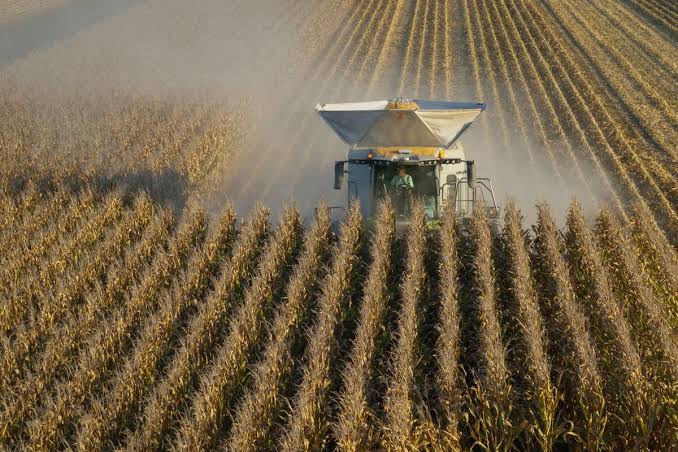
For American farmers, higher fertilizer prices could increase production expenses and reduce profit margins. Corn growers may be particularly exposed because nitrogen fertilizer represents a significant component of their cultivation costs.
Farmers may respond to rising input prices by adjusting fertilizer application strategies, comparing suppliers, improving nutrient-use efficiency or reconsidering crop choices. However, reducing nitrogen application without proper soil and crop assessment can affect yields and long-term soil productivity.
Global Fertilizer Market Faces Fresh Uncertainty
The latest supply disruption highlights the vulnerability of international fertilizer markets to changes in natural gas availability, industrial production and global trade flows.
If ammonia supplies remain restricted, fertilizer buyers may need to explore alternative suppliers, potentially increasing transportation expenses and procurement costs.
For the agricultural sector, the situation reinforces the importance of reliable fertilizer supplies and efficient nutrient management. The direction of ammonia prices in the coming months will be closely watched by farmers, fertilizer manufacturers and international commodity traders.
As the next planting cycle approaches, the availability and affordability of nitrogen fertilizers could become an important factor influencing US farm economics and agricultural production decisions in 2027.

 By