China’s glyphosate technical market witnessed a price increase in October 2026, attracting attention across the global agrochemical industry. According to an industry update published on November 2, prices of technical-grade glyphosate in China increased by approximately 2.8% during October, indicating changing market conditions in one of the world’s major crop protection chemical manufacturing centres.
China plays a significant role in the global production and export of agrochemicals, including herbicides, insecticides and fungicides. Consequently, fluctuations in its technical-grade chemical prices can influence international procurement decisions, manufacturing costs and pricing strategies across the agricultural input industry.
Glyphosate Remains an Important Agricultural Herbicide
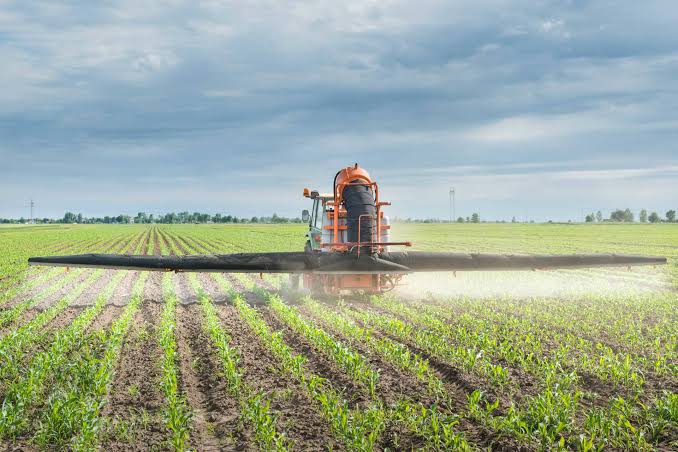
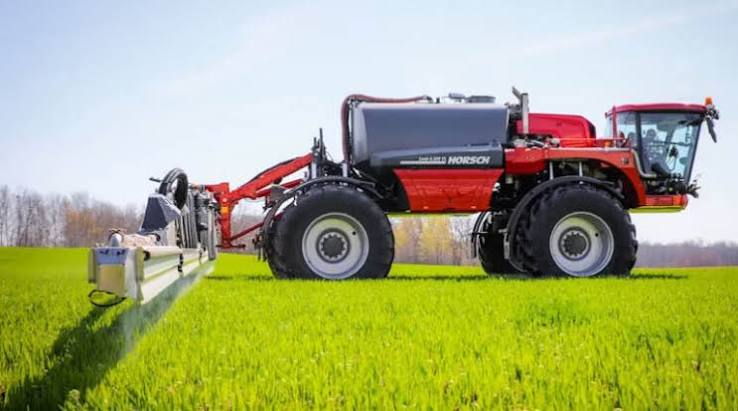
Glyphosate is a widely used non-selective, systemic herbicide designed to control a broad range of annual and perennial weeds. It is used in several agricultural production systems, as well as in non-agricultural weed management.
The chemical is an important component of the global crop protection market because of its extensive commercial applications. Technical-grade glyphosate serves as a key raw material for manufacturers producing formulated herbicide products for agricultural use.
Changes in the prices of technical-grade material can therefore affect the cost structure of agrochemical manufacturers and distributors.
Price Movement Draws Attention from Global Buyers
The reported 2.8% increase in October has brought renewed attention to China’s glyphosate supply and pricing trends. International buyers and agrochemical companies regularly monitor Chinese market developments while planning procurement and inventory requirements.
A rise in technical-grade prices may increase purchasing expenses for companies that depend on Chinese suppliers. Manufacturers may also reassess their procurement schedules, inventory positions and product pricing strategies in response to changing raw material costs.
However, the extent to which the latest increase influences finished herbicide prices will depend on several factors, including existing inventories, production expenses, transportation costs, exchange rates and competition among suppliers.
Implications for the International Agrochemical Industry
China’s position as a major agrochemical manufacturing and exporting country makes its domestic chemical market an important indicator for international buyers.
Price movements in the Chinese glyphosate market can influence sourcing decisions in agricultural markets across Asia, Europe, Latin America and other regions.
For agrochemical companies, maintaining stable access to technical-grade raw materials is essential for production planning and meeting seasonal demand. Any sustained increase in procurement costs could create additional pressure on manufacturers, particularly those operating with limited inventory or narrow profit margins.
What It Means for Agricultural Input Markets
The latest price increase highlights the importance of monitoring raw material costs within the crop protection industry. Herbicide manufacturers, distributors and agricultural retailers will be watching further developments in China’s glyphosate market to assess whether the October movement represents a temporary adjustment or the beginning of a longer-term pricing trend.
For farmers, changes in technical-grade prices may eventually influence the cost of formulated herbicide products, although the impact may vary across countries and product categories.
Going forward, production levels, domestic demand, export activity, raw material availability and international trade conditions will remain important factors influencing glyphosate prices.
The October increase of 2.8% provides another indication of changing conditions in the global agrochemical market, reinforcing the importance of supply chain monitoring and effective procurement planning for the crop protection industry.


 By