businesses and consumers across the world.
According to the World Bank’s October 2026 Commodity Markets Outlook, global fertilizer prices are projected to increase by approximately 14% in 2026. Food commodity prices are also expected to rise by more than 10% during the year, reflecting growing pressure across international agricultural supply chains.
The projections highlight the close relationship between energy markets, agricultural inputs and global food production. Fertilizer manufacturing depends heavily on natural gas and other energy resources, while international trade relies on stable shipping routes and uninterrupted supplies of raw materials.
Fertilizer Costs Put Pressure on Agricultural Production
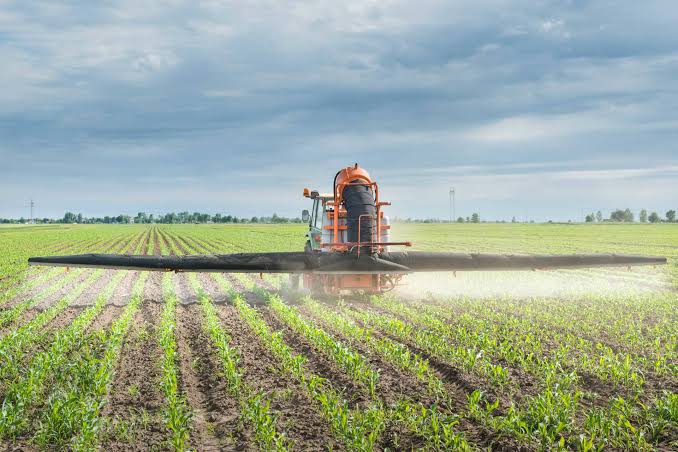
Fertilizers are essential for maintaining crop productivity and supporting global food supplies. However, rising prices can increase cultivation expenses and create financial challenges for farmers, particularly those operating with limited resources.
Nitrogen fertilizers, including urea and ammonia-based products, are particularly sensitive to changes in natural gas prices. Higher energy costs can increase manufacturing expenses, eventually affecting fertilizer prices in domestic and international markets.
If fertilizer prices continue to rise, farmers may reconsider their input purchasing strategies, adjust nutrient application levels or explore alternative nutrient management practices. However, inadequate fertilizer application can negatively affect crop growth and yields if not supported by proper soil testing and agronomic recommendations.
Developing countries that depend heavily on imported fertilizers could face additional challenges because international price increases may translate into higher domestic procurement and distribution costs.
Geopolitical Conflicts Disrupt Agricultural Trade
The World Bank report identifies geopolitical instability and shipping disruptions as important factors influencing global commodity markets.
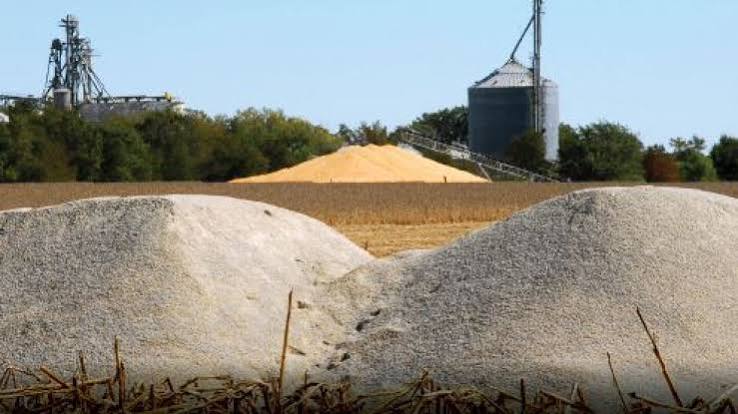
Disruptions affecting grain shipments through the Black Sea have raised concerns about the movement of agricultural commodities from major exporting regions. The Black Sea remains an important trade corridor for wheat, maize and other agricultural products.
Meanwhile, instability in the Middle East is creating additional uncertainty for energy supplies, transportation networks and international shipping routes. Higher freight costs and logistical delays can increase the overall cost of moving agricultural commodities between exporting and importing countries.
These developments can affect international grain availability, trade flows and the competitiveness of agricultural exporters.
Rising Food Prices Could Affect Consumers
An increase in global food commodity prices can eventually influence consumer markets, particularly in countries that depend on imports to meet domestic demand.
Higher prices for cereals, edible oils and other agricultural products can increase food procurement expenses for governments, food-processing companies and households.
Low-income communities are particularly vulnerable because food represents a significant proportion of their household expenditure. Persistent increases in food prices can also complicate efforts to improve nutrition and strengthen food security.
Implications for Global Agriculture in 2027
The projected increase in fertilizer and food prices highlights the need for stronger agricultural supply chains, efficient input management and improved international trade cooperation.
Governments may need to strengthen fertilizer supply planning, diversify import sources and support farmers in adopting efficient nutrient management practices. Investments in domestic fertilizer production, renewable energy and agricultural infrastructure could also help reduce exposure to international market volatility.
For farmers, soil testing, balanced fertilizer application, organic matter management and efficient irrigation can contribute to better input-use efficiency.
As geopolitical tensions and transportation challenges continue to influence commodity markets, fertilizer affordability and food price stability will remain critical issues for the global agricultural sector heading into 2027.


 By