International agricultural trade is facing growing challenges as shipping disruptions across the Strait of Hormuz, Red Sea and Black Sea create uncertainty for global food and fertilizer supply chains. Increasing security risks, longer transportation routes and higher freight expenses are putting additional pressure on agricultural commodity markets and international suppliers.
According to information reported by the World Food Programme (WFP) on October 8, security concerns and shipping disruptions are affecting the movement of essential commodities, including food, fuel and fertilizers. These developments are raising concerns about the reliability of international supply networks at a time when many countries depend heavily on imported agricultural inputs and food products.
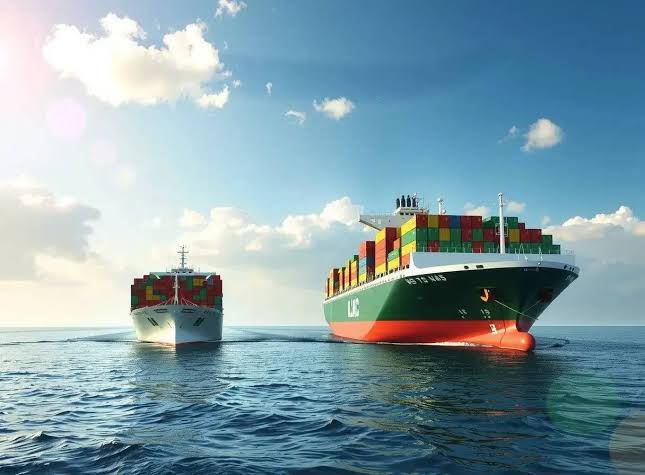
The three maritime corridors play important roles in international trade. Any prolonged disruption can affect shipping schedules, transportation expenses and the availability of agricultural commodities in importing markets.
Strait of Hormuz: An Important Route for Energy and Fertilizer Trade
The Strait of Hormuz is one of the world’s most strategically important maritime passages. It connects the Persian Gulf with international shipping routes and is particularly significant for global energy supplies.
Disruptions in this corridor can affect the movement of oil, natural gas and other essential commodities. Since natural gas is a major raw material for nitrogen fertilizer manufacturing, changes in energy availability and transportation costs can have wider consequences for fertilizer production.
Countries dependent on imported fertilizers may face higher procurement expenses if shipping delays or supply interruptions continue. Increased energy and freight costs can also influence fertilizer manufacturing and distribution prices.
Red Sea Disruptions Increase Transportation Costs
The Red Sea is another important international shipping corridor connecting Asian and European markets through the Suez Canal.
Security threats and interruptions along this route have encouraged some shipping companies to consider alternative routes around the Cape of Good Hope in southern Africa.
Although alternative routes can help maintain trade movements, they generally involve longer journeys, additional fuel consumption and higher operational expenses.
These factors can increase freight rates and extend delivery times for agricultural commodities, fertilizers and other essential goods. Importers may also need to maintain larger inventories to manage uncertainty in supply schedules.
Black Sea Remains Critical for Global Grain Exports
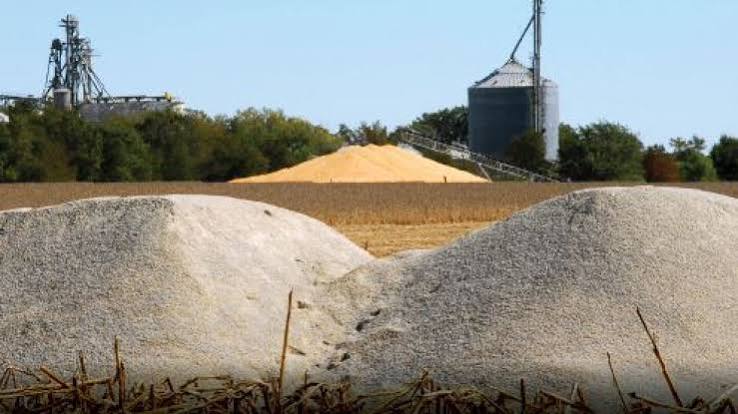
The Black Sea continues to be an important region for international agricultural trade, particularly for wheat, maize and other cereals.
Major grain-exporting countries in the region supply agricultural commodities to markets across the Middle East, Africa and Asia. Disruptions affecting ports, shipping operations and maritime security can therefore influence international grain availability.
Delays in grain shipments may increase logistical expenses and create uncertainty for importing countries that depend on regular deliveries to meet domestic food requirements.
Any prolonged interruption could also influence global commodity prices and increase competition among alternative grain exporters.
Impact on Farmers and Fertilizer Markets
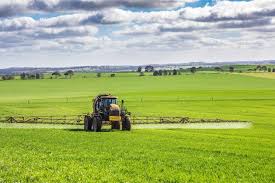
Shipping disruptions can affect farmers indirectly through higher agricultural input costs and uncertainty over fertilizer availability.
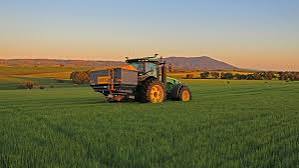
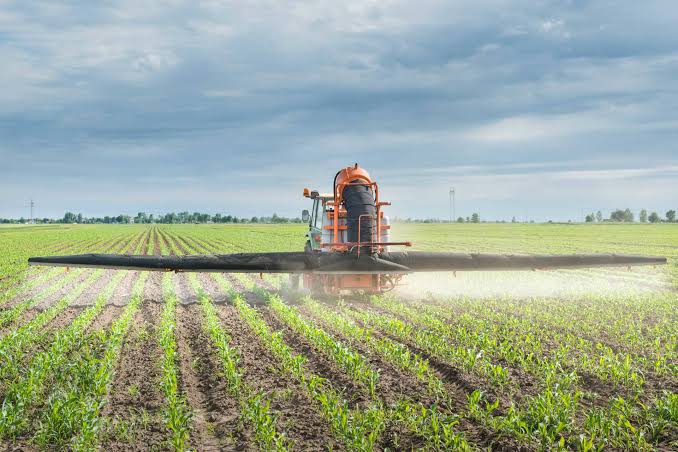
Fertilizers, fuel and crop protection products are essential components of modern agricultural production. Delayed deliveries or rising import costs can create difficulties for farmers, particularly in countries that depend on international suppliers.
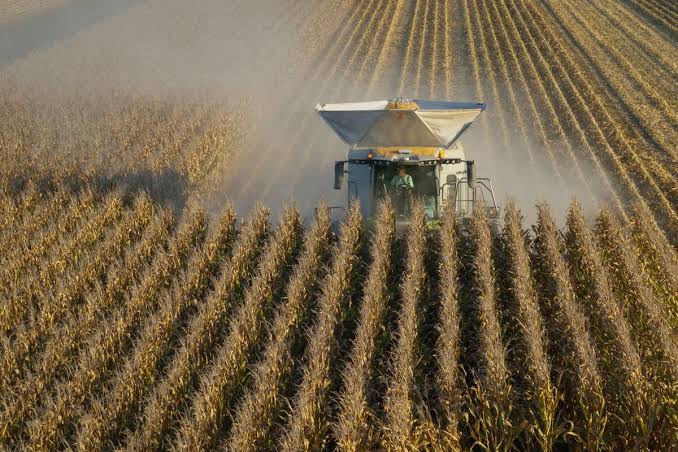
Higher transportation expenses may also increase the cost of moving harvested crops from farms to processing facilities, ports and international markets.
For food-importing economies, these developments can create additional pressure on food procurement budgets and consumer prices.
Strengthening Global Agricultural Supply Chains
The latest developments highlight the importance of diversifying trade routes, strengthening domestic agricultural production and improving supply chain resilience.
Governments and agricultural businesses may need to explore alternative suppliers, improve storage infrastructure and develop more flexible procurement strategies to reduce exposure to international shipping disruptions.
For the global farming sector, reliable access to fertilizers, fuel and food commodities will remain essential for maintaining agricultural productivity and food security.
As geopolitical and maritime security challenges continue to influence international trade, developments across the Strait of Hormuz, Red Sea and Black Sea will remain important factors shaping global agricultural markets heading into 2027.

 By