California’s proposed move to consider atrazine for listing as a carcinogen under its Proposition 65 regulatory framework has attracted attention across the agricultural chemical industry. The development could have significant implications for manufacturers, distributors and agricultural businesses involved in the production and marketing of atrazine-based herbicides in the state.
The proposed regulatory action has renewed discussions about pesticide safety, chemical exposure, product labelling and compliance requirements. If atrazine is formally listed under Proposition 65, companies marketing products containing the chemical in California may face additional regulatory obligations.
Atrazine and Its Role in Agriculture
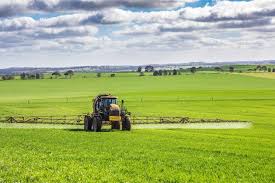
Atrazine is a widely used selective herbicide belonging to the triazine chemical group. It is primarily used to control broadleaf weeds and certain grasses in agricultural production systems.
The herbicide has traditionally played an important role in weed management, particularly in corn cultivation. It helps farmers manage weed competition during critical crop growth stages, supporting crop establishment and productivity when used according to approved label directions.
Atrazine is also used in certain other agricultural and non-agricultural applications, depending on regulatory approvals and permitted uses in different jurisdictions.
Understanding California’s Proposition 65
California’s Proposition 65, officially known as the Safe Drinking Water and Toxic Enforcement Act of 1986, requires businesses to provide warnings when people may be exposed to chemicals listed by the state as causing cancer, birth defects or other reproductive harm, subject to applicable regulatory requirements and exemptions.
The programme is administered by California’s Office of Environmental Health Hazard Assessment (OEHHA).
A chemical’s inclusion on the Proposition 65 list can create additional compliance responsibilities for businesses operating in California. Companies may need to review product formulations, exposure assessments, warning labels, distribution practices and regulatory documentation.
It is important to distinguish between a proposed listing and a final regulatory decision. The legal consequences depend on the formal listing process and the applicable requirements.
Potential Impact on Agrochemical Manufacturers
The proposed action could create new challenges for companies involved in atrazine-based herbicide products.
Manufacturers may need to evaluate their product portfolios and review whether additional warnings or changes to marketing and labelling practices are necessary. Importers, distributors and agricultural retailers could also need to assess their compliance responsibilities.
For companies operating in multiple US states and international markets, regulatory developments in California can be particularly important because they may influence corporate compliance strategies and product stewardship policies.
Implications for Corn Farmers
Atrazine has been an important weed management tool in certain corn production systems. Any changes in its regulatory status could encourage farmers and agricultural advisers to review existing weed control programmes.
Alternative herbicides, integrated weed management, crop rotation and other agronomic practices may become more important considerations if regulatory restrictions or additional compliance requirements affect product availability.
However, any changes to herbicide use should be guided by local regulations, approved product labels and professional agronomic recommendations.
Wider Significance for the Crop Protection Industry
The proposed development highlights the increasing importance of chemical safety assessments and regulatory compliance in the global crop protection sector.
Agrochemical manufacturers are facing growing expectations to demonstrate responsible product stewardship, maintain transparent labelling and comply with evolving environmental and public health regulations.
For the industry, the next steps in California’s regulatory process will be important in determining the potential impact on atrazine-based products.
The development also reinforces the need for agricultural businesses to closely monitor regulatory changes and prepare for evolving requirements in major agricultural markets.

 By