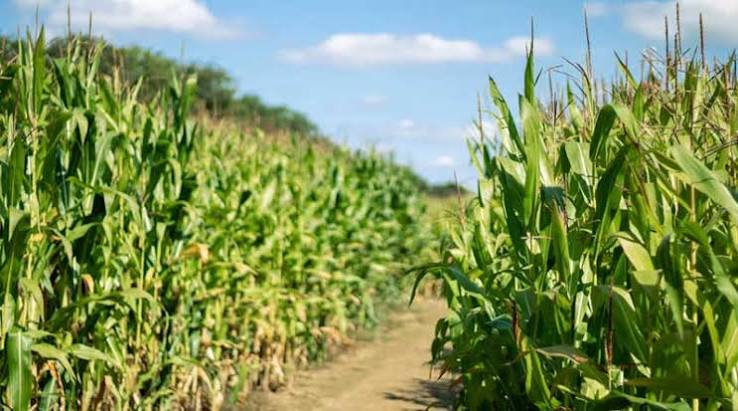
The United States Department of Agriculture (USDA) has lowered its forecast for US corn production in its November 2026 agricultural outlook, indicating a tighter production estimate for the world’s largest corn-producing country. The revised projections could influence international grain markets, commodity prices and purchasing strategies among agricultural traders.
According to the latest World Agricultural Supply and Demand Estimates (WASDE) and Crop Production reports, US corn production is now projected at 15.893 billion bushels, down from the October estimate of 16.034 billion bushels. The revision represents a reduction of approximately 141 million bushels.
The USDA has also lowered its projected average corn yield to 179.6 bushels per acre, reflecting a less optimistic production outlook compared with the previous month’s assessment.
Lower Corn Production Estimate Draws Market Attention
The downward revision in US corn production is an important development for international agricultural markets. The United States is a major global supplier of corn, with its production levels influencing feed availability, livestock production costs, ethanol manufacturing and international grain trade.
Corn is widely used in animal feed, food processing and industrial applications. Consequently, changes in production estimates can affect several interconnected agricultural industries.
A reduction in expected output may increase market attention towards available grain stocks and export supplies. However, the actual price impact will also depend on demand, global production in other exporting countries, weather conditions and the availability of alternative feed grains.
International grain traders will closely monitor subsequent USDA assessments to determine whether the revised production outlook signals a broader tightening of global corn supplies.
Soybean Production Estimated at 4.574 Billion Bushels
The November report also provided updated projections for the US soybean market.
US soybean production is estimated at 4.574 billion bushels. Meanwhile, projected soybean ending stocks have declined to 300 million bushels.
Ending stocks represent the quantity of a commodity expected to remain available at the conclusion of a marketing year after accounting for supply and demand requirements.
Lower projected ending stocks can indicate a tighter domestic supply situation, depending on changes in production, consumption, exports and other market factors.
Soybeans are an essential agricultural commodity used in animal feed, edible oil production and food processing. Their market performance also influences the wider oilseed complex, including soybean meal and vegetable oil markets.
Implications for International Agricultural Trade
The latest USDA estimates could influence purchasing decisions among international grain importers and agricultural commodity traders.
Countries dependent on imported corn and soybeans will be particularly interested in changes to US production and stock estimates. Any tightening of exportable supplies could influence international procurement strategies and encourage buyers to evaluate alternative suppliers.
Brazil and Argentina remain important competitors in the global corn and soybean trade. Production conditions and export availability in South America will therefore play an important role in determining international market balance.
Feed manufacturers, poultry producers and livestock businesses may also monitor developments closely because corn and soybean meal are major components of animal feed.
Global Commodity Markets Await Further Updates
The November 2026 USDA reports provide an updated picture of the US agricultural supply situation. The reduction in projected corn production, combined with lower soybean ending stocks, highlights the importance of monitoring supply conditions in major agricultural exporting countries.
Future market movements will depend on actual harvest results, export demand, domestic consumption and developments in other major producing regions.
Why It Matters: The United States plays a significant role in global corn and soybean markets. Changes in its production and stock estimates can influence international commodity prices, feed costs, export competitiveness and food supply chains. The November USDA outlook will therefore remain an important reference point for farmers, traders, food processors and agricultural policymakers during the 2026–27 marketing season.

 By