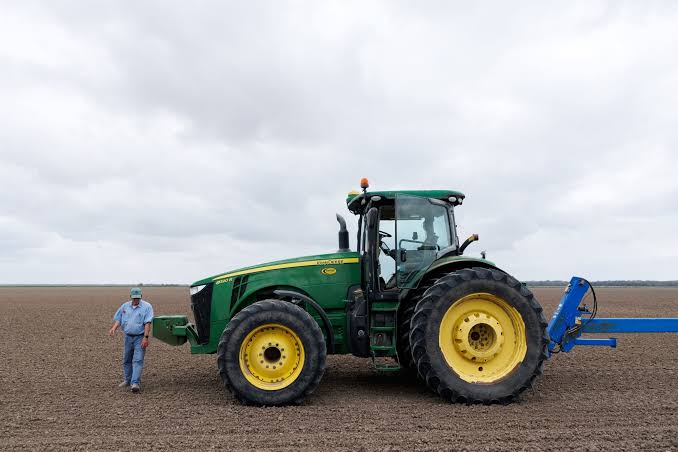
Brazil is making steady progress in planting its 2026–27 soybean crop, with farmers having completed approximately 64 per cent of the country’s projected planting area. The latest progress indicates an active start to the new agricultural season and places Brazil ahead of the planting pace recorded during the corresponding period last year.
According to agricultural consultancy AgRural, soybean planting has advanced significantly over the past week, increasing from 53 per cent to 64 per cent of the expected area. During the same period in 2025, approximately 61 per cent of the soybean area had been planted.
The latest figures highlight the continued progress of Brazil’s agricultural sector as farmers prepare for another major soybean production cycle. However, uneven rainfall across important growing regions remains a concern for crop establishment and early-season development.
Planting Progress Accelerates Across Brazil
The increase from 53 per cent to 64 per cent in just one week reflects an improvement in planting activity across several Brazilian agricultural regions.
Brazil is one of the world’s most important agricultural producers, and soybean cultivation plays a central role in its farming economy. Farmers are closely monitoring soil moisture, rainfall patterns and field conditions to complete sowing operations within suitable planting windows.
Timely planting is important because it helps establish crops under favourable conditions and supports better planning for subsequent agricultural operations, including fertiliser application, pest management and harvesting.
The faster planting pace compared with last year is an encouraging indicator for the new season, although planting progress alone does not determine the final production outcome.
Uneven Rainfall Creates Regional Challenges
Despite the overall progress, rainfall distribution remains a major concern for Brazilian soybean farmers.
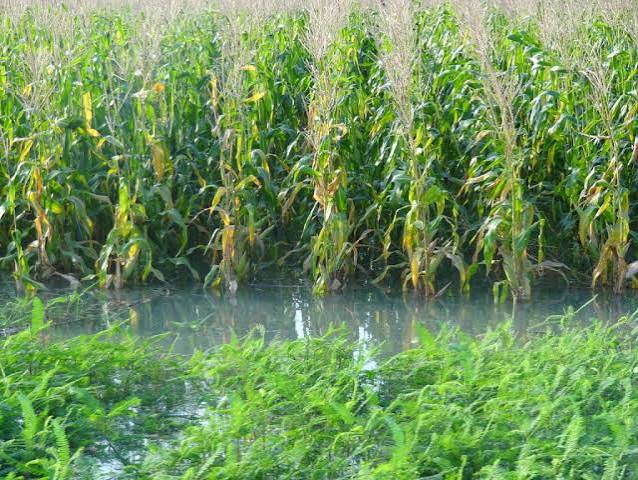
Some agricultural areas in southern Brazil have experienced excessive rainfall, which can delay field operations, create waterlogging and affect seed establishment.
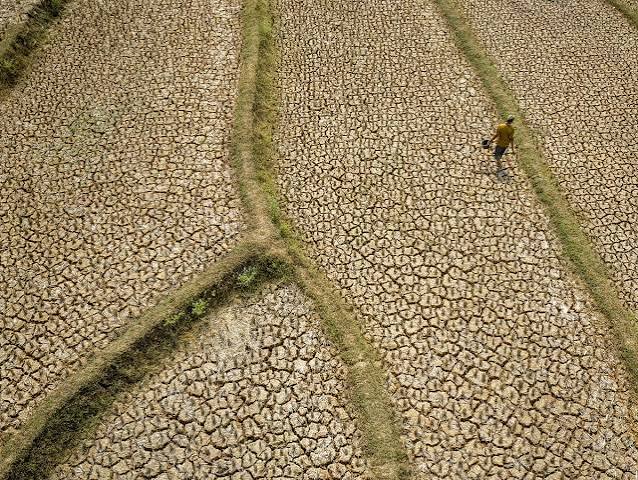
In contrast, parts of the Cerrado agricultural region are facing irregular precipitation. Insufficient or poorly distributed rainfall can create difficulties during germination and early crop growth.
Soybean development depends heavily on adequate soil moisture, particularly during establishment and reproductive stages. Variations in rainfall across major production regions could therefore influence crop conditions in the coming months.
Farmers and agricultural analysts will continue monitoring weather forecasts to assess whether rainfall conditions improve during the remainder of the planting season.
Brazil’s Role in the Global Soybean Market
Brazil remains the world’s largest soybean producer and exporter, making its planting progress an important indicator for international agricultural markets.
The country supplies substantial quantities of soybeans to international buyers, particularly markets with strong demand for animal feed, vegetable oil and food-processing industries.
Any significant change in Brazil’s planted area, crop development or final production could influence global soybean availability and export competition.
The progress of the 2026–27 crop will also be closely watched by competing exporters, including the United States and Argentina.
Outlook for the 2026–27 Soybean Season
The latest planting figures provide an encouraging indication of Brazil’s early-season agricultural activity. Nevertheless, favourable weather conditions throughout the growing period will be essential to achieve strong production results.
Regular rainfall, suitable temperatures and effective crop management will play important roles in determining final yields.
Market participants will monitor upcoming crop assessments, regional weather developments and planting completion rates to understand the potential direction of global soybean supplies.
Why It Matters: Brazil is a major supplier of soybeans to international markets. With 64 per cent of the projected area already planted, the country is progressing ahead of last year’s schedule. However, uneven rainfall could influence crop establishment and future yields. Developments in Brazil’s soybean fields will remain important for global oilseed prices, agricultural trade and international food and feed supply chains.

 By