Climate change and increasingly unpredictable weather patterns are emerging as critical challenges for global agriculture, with discussions at the 31st United Nations Climate Change Conference (COP31) drawing attention to the vulnerability of farming communities worldwide. The conference, being held in Antalya, Türkiye, has brought renewed focus to the need for stronger climate adaptation measures to protect agricultural production, rural livelihoods and global food security.
According to a Reuters report, concerns are growing over the possibility of an exceptionally strong El Niño event, which could intensify extreme weather conditions across several agricultural regions. Such a development could create additional pressure on crop production, water availability and farming operations, particularly in countries already experiencing climate-related challenges.
Potential El Niño Raises Agricultural Concerns
El Niño is a natural climate phenomenon associated with changes in sea surface temperatures across the central and eastern tropical Pacific Ocean. It influences atmospheric circulation and can alter rainfall and temperature patterns in different parts of the world.
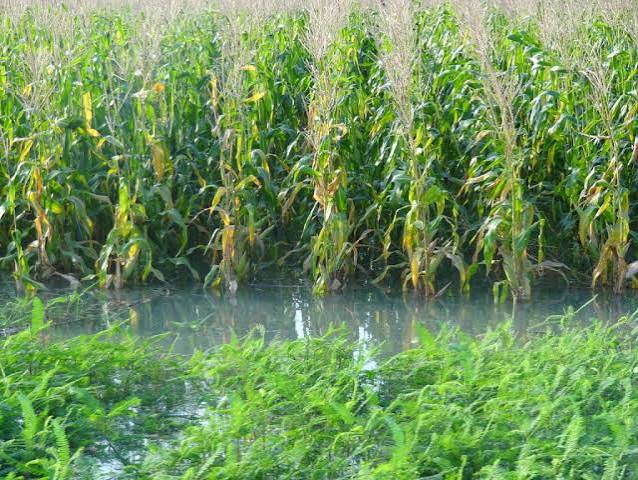
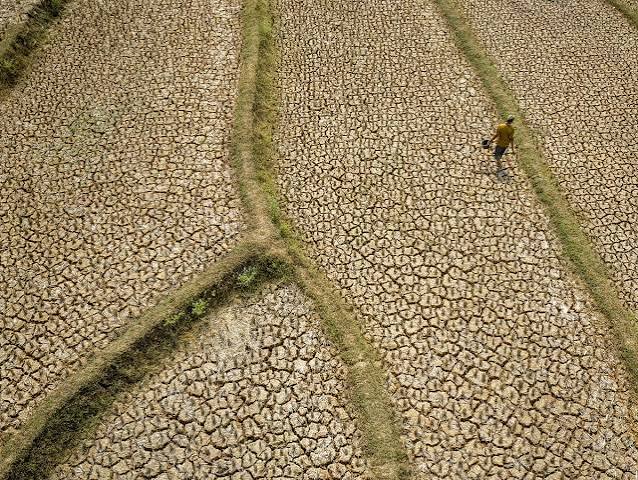
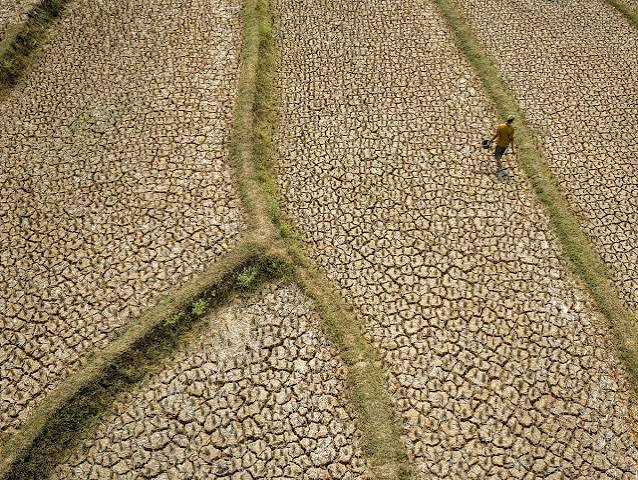
A particularly strong El Niño could increase the likelihood of prolonged droughts in some agricultural regions while contributing to excessive rainfall and flooding in others. Higher temperatures could also increase crop water requirements, accelerate soil moisture loss and negatively affect crop development.
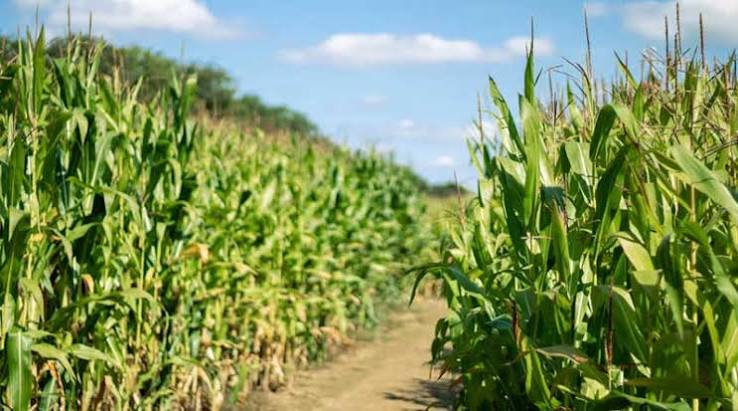
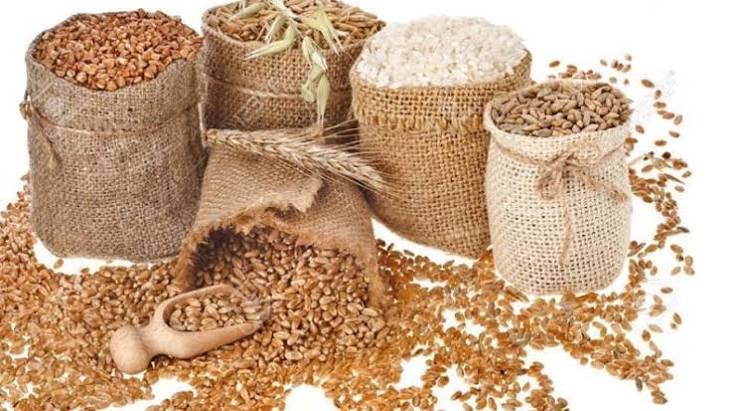
Major agricultural commodities, including rice, wheat, maize and soybean, may face production risks depending on regional weather conditions. Livestock farming could also be affected by heat stress, reduced pasture availability and pressure on water resources.
For farmers, these conditions can translate into lower yields, increased cultivation expenses and greater uncertainty about harvesting and marketing decisions.
Smallholder Farmers Face Greater Vulnerability
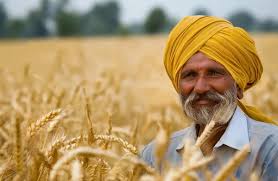
Smallholder farmers and rural communities in developing economies are particularly exposed to climate-related risks. Many depend heavily on seasonal rainfall and have limited access to irrigation facilities, advanced weather information, crop insurance and financial resources.
When droughts, floods or extreme heat damage crops, small farmers often face significant financial losses. Recovery can become difficult when agricultural inputs become more expensive or credit facilities are limited.
Discussions at COP31 have therefore highlighted the importance of increasing climate adaptation financing, especially for vulnerable farming communities.
Greater financial support could help farmers adopt improved agricultural technologies, develop water-efficient farming systems and strengthen their capacity to respond to extreme weather events.
Climate Adaptation Becomes an Agricultural Priority
Climate-resilient agriculture is increasingly important for maintaining stable food production. Experts and policymakers are focusing on several approaches that could help reduce the impact of climate change on farming.
These include expanding efficient irrigation systems, promoting drought-tolerant and flood-resistant crop varieties, improving soil health, strengthening agricultural extension services and developing reliable early-warning systems.
Better weather forecasting can also help farmers make timely decisions regarding sowing, irrigation, fertilizer application and harvesting. Access to accurate climate information allows agricultural communities to prepare for potential weather disruptions before they cause significant damage.
Agricultural insurance is another important instrument. Well-designed insurance programmes can provide financial protection against crop losses caused by droughts, floods and other extreme weather events.
International Cooperation Needed to Protect Food Security
COP31 discussions underline the importance of cooperation between governments, international institutions, agricultural organisations and private-sector stakeholders.
Climate adaptation requires sustained investment in agricultural research, rural infrastructure, water management and technology transfer. Developing countries will particularly need financial and technical assistance to strengthen their agricultural systems.
Why It Matters: Climate change is no longer just an environmental concern; it is a direct challenge to agricultural productivity, farmer incomes and global food security. The possibility of an exceptionally strong El Niño further highlights the need to prepare farming systems for extreme weather. Greater investment in climate-resilient agriculture, early-warning services, irrigation and crop insurance will be essential to protect farmers and ensure a more stable global food supply.

 By