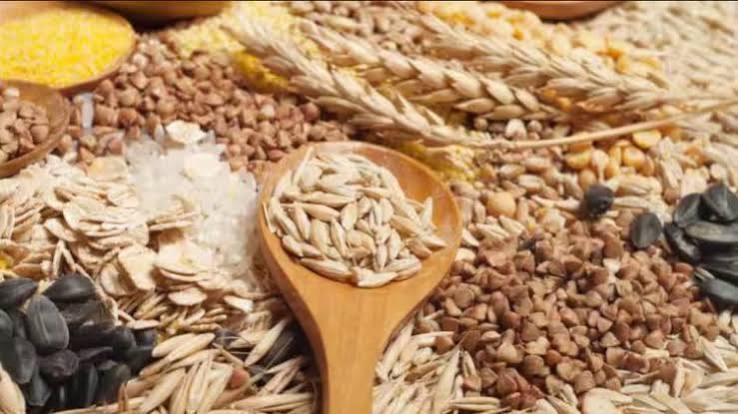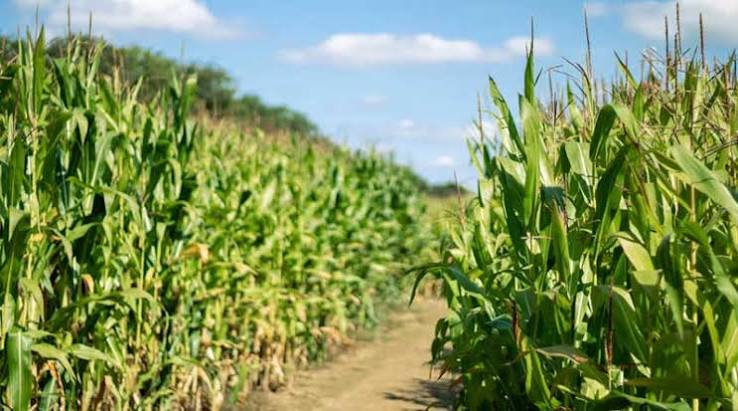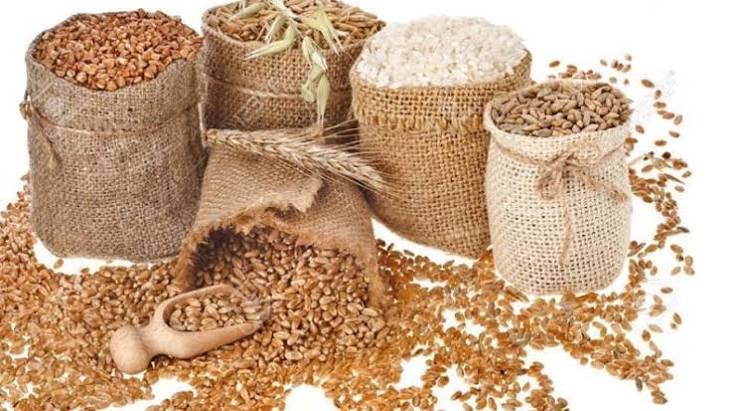
Global cereal production is expected to remain close to the three-billion-tonne mark in 2026, highlighting the continued strength of agricultural output despite weather-related challenges, changing market conditions and disruptions in international trade. According to the latest forecast by the Food and Agriculture Organization (FAO), worldwide cereal production is projected to reach approximately 2,999 million tonnes this year.
Although the projected output would be lower than the record production achieved in 2025, it would still rank as the second-highest cereal harvest ever recorded. The forecast indicates that global agriculture continues to maintain substantial production capacity, even as farmers in several major producing regions face increasingly complex economic and environmental conditions.
Rice Production Expected to Decline
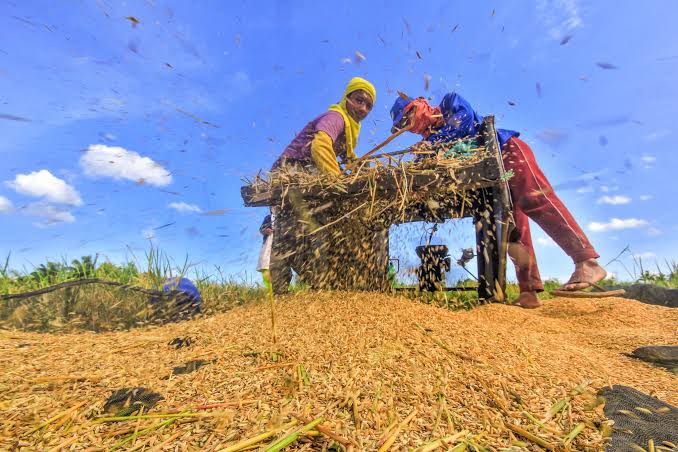
Rice production is expected to experience a notable reduction during 2026. FAO projections indicate that global rice output could fall by approximately 2.5 per cent to 552 million tonnes.
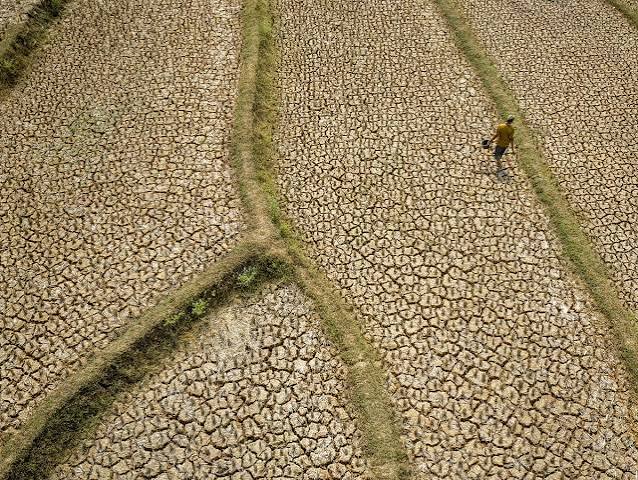
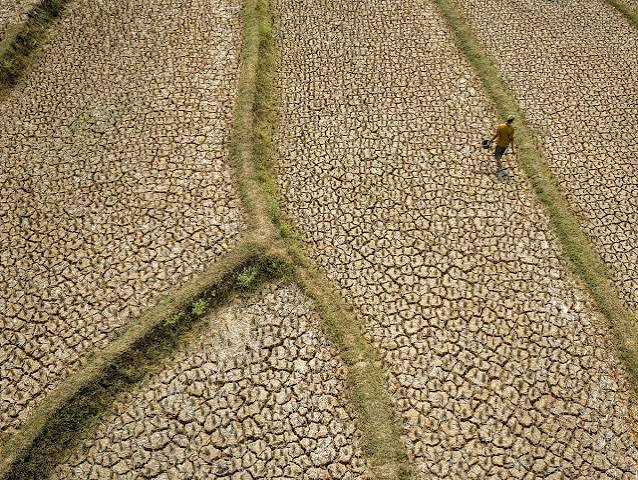
Unfavourable weather conditions and declining producer margins are among the factors contributing to the anticipated reduction. Weather variability, including irregular rainfall and temperature fluctuations, can affect crop establishment, flowering, grain development and final yields.
Producer profitability is another important consideration. Higher cultivation expenses, changing market prices and the cost of agricultural inputs can influence farmers’ decisions regarding crop selection, investment and cultivated area.
Rice remains one of the world’s most important staple foods, particularly across Asia. Any significant change in its production can influence domestic food supplies, international trade flows and market prices in countries that depend heavily on rice consumption.
Global Cereal Trade Faces Pressure
Alongside production, international cereal trade is also expected to experience a slowdown. FAO forecasts suggest that global cereal trade could contract by approximately 3.3 per cent during the 2026–27 marketing season.
The expected decline reflects several challenges affecting international agricultural markets. Logistical difficulties, transportation constraints and reduced wheat shipments are likely to influence the movement of cereals between exporting and importing countries.
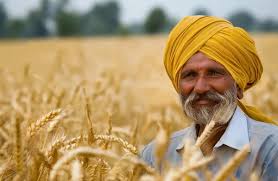
Wheat remains a strategically important commodity in global food supply chains. Countries dependent on imports must closely monitor export availability, freight expenses and international price movements to maintain stable domestic supplies.
Changes in trade volumes may also affect farmers, grain traders, food processors and agricultural businesses operating across international markets.
Implications for Global Food Security
The latest FAO assessment highlights the importance of maintaining stable agricultural production and strengthening international food supply systems.
Even with cereal output remaining at historically high levels, production figures alone do not determine food security. Affordability, distribution networks, storage infrastructure, transportation facilities and access to agricultural inputs also play important roles in ensuring that food reaches consumers.
Developing countries and import-dependent economies may face additional challenges if lower trade volumes coincide with rising transportation costs or unfavourable international market conditions.
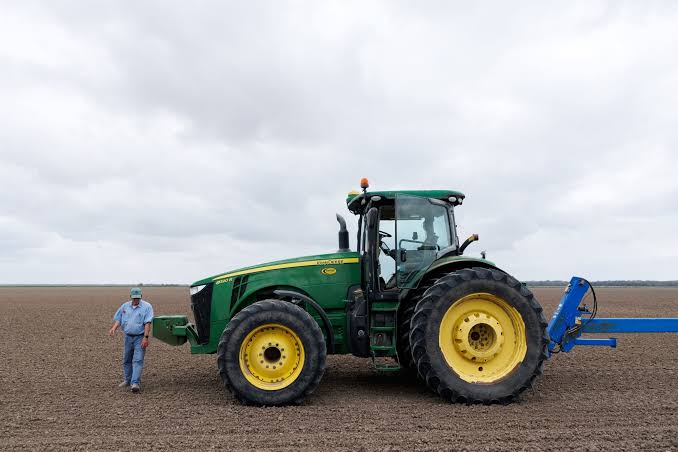
For farmers, the situation underlines the importance of improving productivity, adopting climate-resilient agricultural practices and managing production costs. Investments in irrigation, improved crop varieties, efficient nutrient management and modern farm technologies could help reduce vulnerability to changing weather patterns.
Outlook for Agriculture
The projected global cereal output of nearly 3 billion tonnes demonstrates the resilience of the agricultural sector. However, the expected decline in rice production and international cereal trade suggests that the global food system continues to face important challenges.
Maintaining adequate grain stocks, improving agricultural infrastructure and supporting farmers through research, technology and effective market policies will remain essential priorities.
Why It Matters: Global cereal production and trade directly influence food availability, agricultural commodity prices and the livelihoods of millions of farmers. The FAO forecast provides an important indication of how production trends and international market conditions could shape global food security during 2026–27.

 By