The agriculture and fisheries sector of the Philippines is facing mounting challenges after recording a significant decline in production value during the third quarter of 2026. The latest figures indicate that the sector experienced its weakest third-quarter performance in 11 years, reflecting the combined impact of adverse weather conditions, flooding and increasing agricultural production costs.
According to the Philippine Statistics Authority (PSA), the total value of agricultural and fisheries output declined by 5 per cent during July–September 2026. The production value dropped to 389.42 billion Philippine pesos, compared with 410.04 billion pesos during the corresponding period in 2025.
The decline highlights the growing pressure on farmers and agricultural producers as extreme weather events and rising input expenses continue to affect farming activities across the country.
Crop Production Records a Significant Decline
Crop production was among the major contributors to the sector’s weaker performance. The value of crop output declined by 9.3 per cent during the third quarter, indicating considerable difficulties across important agricultural commodities.
Rice, locally known as palay, experienced one of the sharpest reductions. The value of palay production fell by 17.8 per cent compared with the same period last year.
Corn production also recorded a substantial decline of 17.4 per cent. Both rice and corn are essential agricultural commodities in the Philippines, serving as major food sources and supporting the livelihoods of millions of farming households.
Lower production values in these crops could create additional challenges for farmers, food processors, traders and consumers, particularly if reduced domestic supplies increase dependence on imported agricultural commodities.
Flooding and Extreme Weather Affect Farmers
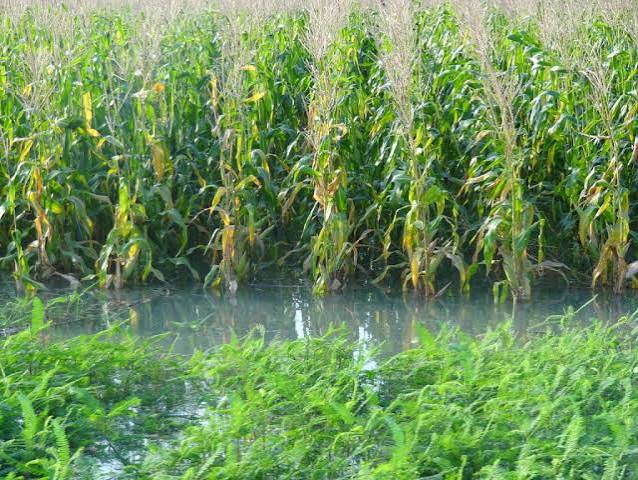
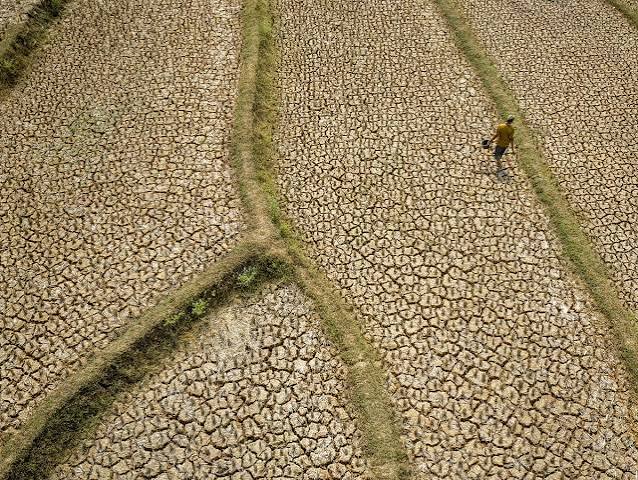
Adverse weather conditions have emerged as a major concern for Philippine agriculture. Flooding and weather-related disruptions have affected agricultural activities, creating difficulties for farmers during critical stages of crop cultivation.
Excessive rainfall and flooding can damage standing crops, delay planting and harvesting operations, reduce soil quality and disrupt transportation networks. In some areas, prolonged waterlogging can also affect crop growth and increase the risk of pest and disease outbreaks.
These challenges can result in lower farm productivity and financial losses, particularly for smallholder farmers who have limited resources to recover from weather-related damage.
The agricultural sector’s vulnerability to extreme weather also highlights the importance of strengthening disaster preparedness and developing farming systems that can withstand changing climatic conditions.
Rising Input Costs Add to Agricultural Pressure
Apart from weather-related disruptions, increasing agricultural input costs are placing additional pressure on farming communities.
Expenses associated with fertilizers, seeds, pesticides, fuel, irrigation and transportation directly influence the cost of cultivation. When production expenses increase while crop output or farm-gate prices remain under pressure, farmers’ profit margins can become significantly smaller.
For small and medium-sized agricultural producers, managing these expenses is particularly challenging because access to affordable credit, modern machinery and agricultural technologies remains limited in many farming areas.
Food Security and Agricultural Recovery
The latest production figures raise important questions about food availability, farmer incomes and the resilience of the Philippine agricultural economy.
Rice and corn are particularly important for domestic food security. A decline in their production could increase pressure on domestic supply chains and make effective agricultural planning more important.
Strengthening irrigation infrastructure, improving drainage systems, promoting climate-resilient crop varieties and expanding access to agricultural insurance could help reduce future production risks.
Investment in modern farming technologies, improved post-harvest management and affordable agricultural inputs will also be important for supporting farmers and improving productivity.
Why It Matters: The 5 per cent decline in the Philippine agriculture and fisheries sector demonstrates how extreme weather, flooding and rising production expenses can affect agricultural output and rural livelihoods. The performance of rice and corn production is especially important because these commodities play a central role in national food security. Strengthening climate resilience, supporting farmers and improving agricultural infrastructure will be essential for the sector’s recovery.

 By