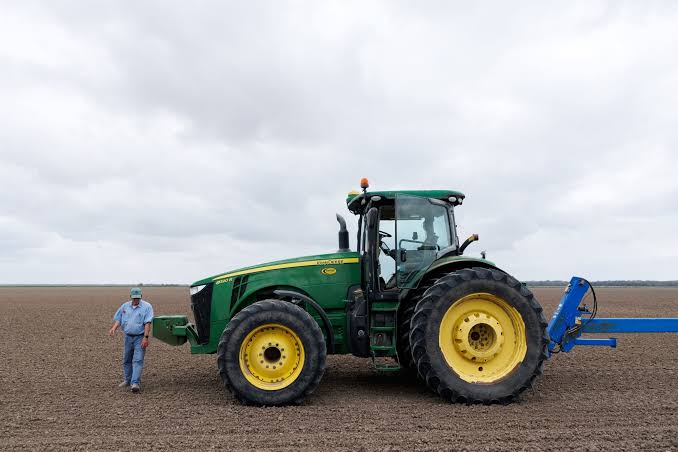
The United States Department of Agriculture (USDA) has announced a major financial assistance initiative worth up to $8 billion to help agricultural producers manage rising fuel expenses during the harvesting season. The newly introduced Harvest Fuel Relief (HFR) programme is intended to provide one-time financial support to eligible farmers facing increased operational costs.
The initiative comes at a time when fuel prices and other agricultural input expenses are placing additional pressure on farming businesses. Fuel is an essential component of modern agricultural operations, particularly during planting, irrigation, harvesting and transportation. Higher fuel costs can significantly increase the overall cost of crop production and reduce farmers’ profit margins.
Through the HFR programme, the USDA aims to provide financial relief to eligible agricultural producers and help maintain stability in the country’s agricultural sector.
Up to $8 Billion in Financial Assistance
Under the announced programme, up to $8 billion will be made available in one-time assistance payments to qualifying agricultural producers.
The financial support will cover eligible commodities under both Title I and non-Title I categories, including specialty crops. This broader coverage is intended to extend assistance across different segments of American agriculture rather than limiting support to a narrow group of major field crops.
Payments will be authorised through the Commodity Credit Corporation (CCC), a government-owned entity that provides financial mechanisms to support agricultural programmes and market stability in the United States.
The programme’s funding structure is designed to provide direct financial assistance to eligible producers dealing with higher harvesting-related fuel expenses.
Farm Service Agency to Administer the Programme
The USDA’s Farm Service Agency (FSA) will be responsible for administering the Harvest Fuel Relief programme.
The agency will oversee implementation and communicate the eligibility requirements, payment arrangements and application procedures for participating agricultural producers.
Further details regarding eligible commodities and the application process are expected to be announced by the department. Farmers will need to follow the official USDA and FSA guidelines to determine whether they qualify for assistance.
The announcement is expected to attract considerable attention from farmers, agricultural organisations and commodity-sector stakeholders seeking support against rising operational expenses.
Rising Fuel Costs Affect Agricultural Operations
Fuel plays a crucial role throughout the agricultural production cycle. Tractors, harvesters, irrigation pumps, grain dryers and transportation vehicles all depend on energy to operate efficiently.
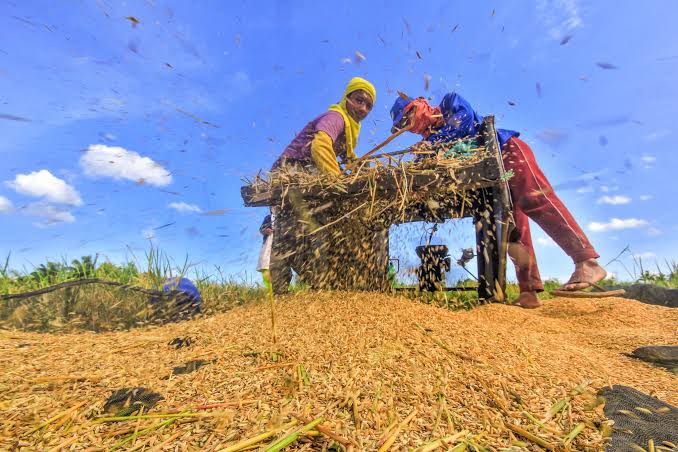
During harvesting periods, fuel consumption can increase substantially as farmers operate machinery for longer hours and transport harvested crops to storage facilities, processing units and markets.
When fuel prices rise, the impact extends beyond direct machinery expenses. Higher transportation and logistics costs can also increase the expenses associated with moving agricultural inputs and finished produce.
For farmers operating on narrow profit margins, these additional costs can create financial difficulties and influence decisions regarding future cultivation investments.
Implications for American Agriculture
The Harvest Fuel Relief programme represents an effort to address the financial pressures facing US agricultural producers. By providing one-time assistance, the initiative could help eligible farmers manage part of their harvesting expenses and maintain operational stability.
The inclusion of specialty crops alongside other eligible agricultural commodities is also significant because producers across different farming sectors face energy-related expenses.
However, the actual benefits will depend on the final eligibility criteria, payment distribution arrangements and the amount of assistance received by individual producers.
Why It Matters: Fuel expenses are a major component of modern agricultural production. The USDA’s proposed assistance of up to $8 billion could provide financial support to eligible American farmers during the harvesting season, helping them manage rising operational costs and protect farm profitability. The programme’s implementation will be closely watched by the agricultural industry.

 By