The International Maize and Wheat Improvement Center (CIMMYT) has announced the development of five new maize inbred lines designed to help strengthen crop resilience against climate-related stresses, diseases and insect pests. The new breeding materials are expected to support the development of improved maize hybrids capable of performing under increasingly unpredictable agricultural conditions.
The announcement represents an important development in maize breeding research, particularly as farmers in several parts of the world face rising temperatures, irregular rainfall, prolonged droughts and increasing pest pressure.
The newly developed genetic materials combine different traits, including drought tolerance, heat tolerance and resistance to several major maize diseases and pests. These characteristics could provide plant breeders with additional resources to develop varieties suited to changing environmental conditions.
Focus on Climate-Resilient Maize Production
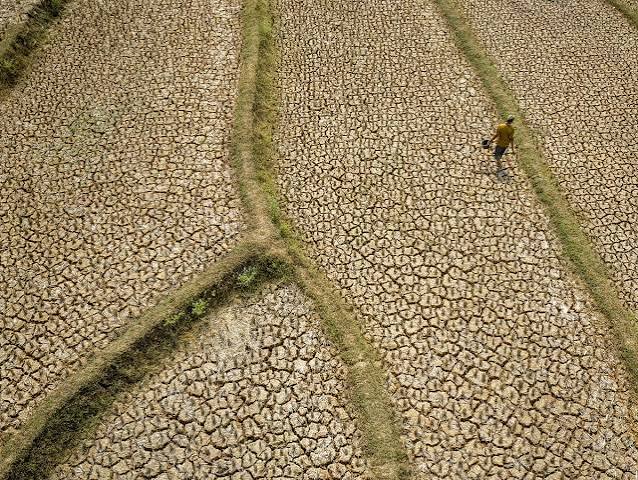
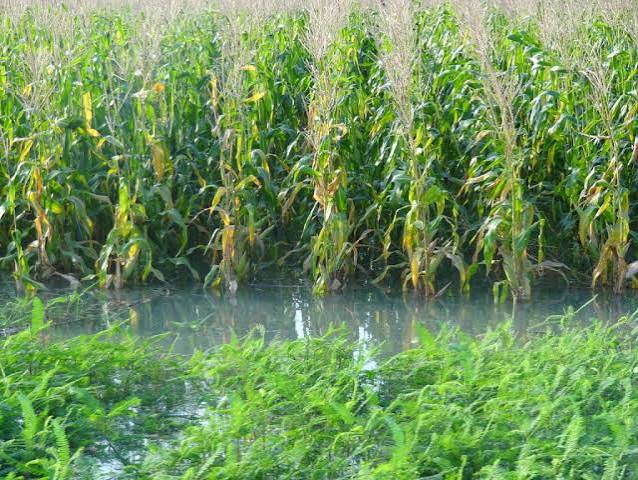
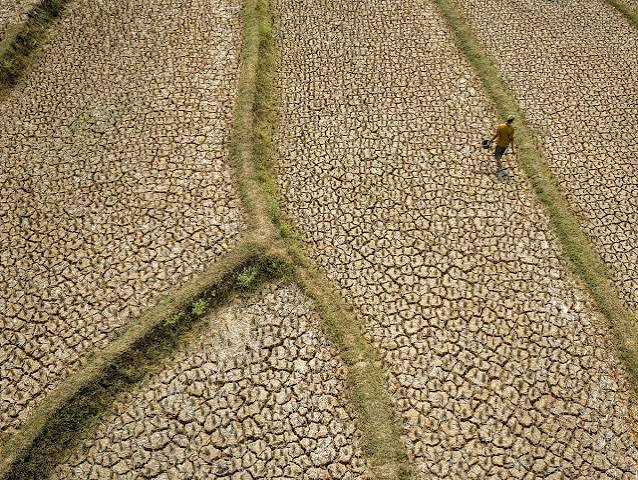
Climate change is creating significant challenges for maize cultivation worldwide. Higher temperatures, changing rainfall patterns and water shortages can negatively affect crop growth, flowering, pollination and grain development.
Drought and heat stress during critical growth stages can substantially reduce maize productivity. Developing varieties that can tolerate these conditions is therefore an important priority for agricultural research institutions.
The five new CIMMYT inbred lines have been developed with combinations of climate-resilience traits intended to help address these challenges.
By incorporating drought and heat tolerance into future maize hybrids, breeders may be able to develop crops with improved adaptability across different agricultural environments.
Resistance Against Major Pests and Diseases
Apart from climate resilience, some of the newly announced maize lines also offer resistance to important crop pests and diseases.
These include:
- Fall Armyworm: A destructive insect pest that feeds on maize leaves and can severely damage crops, particularly during early growth stages.
- Fusarium Diseases: Fungal diseases that can affect maize plants and ears, potentially reducing grain quality and production.
- Turcicum Leaf Blight: A fungal disease that causes characteristic leaf lesions and can reduce photosynthetic activity and crop productivity.
Developing maize varieties with improved genetic resistance can help reduce crop losses and support more effective integrated pest and disease management.
Such resistance may also reduce farmers’ dependence on repeated chemical treatments, depending on the level of protection provided by individual hybrids and local pest conditions.
New Opportunities for Public and Private Breeding Programmes
The new inbred lines are expected to provide valuable genetic resources for both public-sector and private-sector maize improvement programmes.
Inbred lines are genetically stable breeding materials that are used to develop hybrid varieties. By crossing selected inbred lines with complementary characteristics, breeders can produce hybrids with desirable traits such as higher yield potential, improved stress tolerance and disease resistance.
Access to additional genetic diversity can accelerate the development of improved maize hybrids for different agroecological conditions.
Public agricultural research institutions, seed companies and plant breeders may use these materials to strengthen their breeding pipelines and develop varieties suited to farmers’ changing requirements.
Strengthening Global Food Security
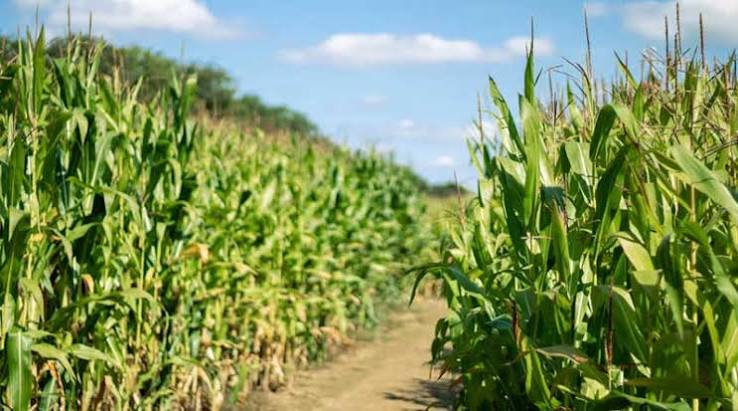
Maize is one of the world’s most important cereal crops and plays a central role in human nutrition, livestock feed and industrial applications. Improving its productivity and resilience is essential for supporting agricultural livelihoods and maintaining stable food supplies.
CIMMYT’s latest breeding development highlights the importance of continued investment in agricultural research, crop genetics and climate-smart farming technologies.
However, the new inbred lines will need further evaluation, breeding and testing under different environmental conditions before improved commercial hybrids can reach farmers.Why It Matters: Climate-resilient and pest-resistant maize varieties can help farmers reduce production risks, protect crop yields and improve agricultural sustainability. The five new CIMMYT inbred lines provide additional genetic resources for developing improved maize hybrids that can better withstand drought, heat, fall armyworm and important crop diseases

 By