Global food commodity prices recorded a decline in October 2026, driven primarily by lower international prices for cereals, dairy products and meat. The latest assessment by the Food and Agriculture Organization of the United Nations (FAO) indicates that weakening international demand and improved production prospects in some major exporting countries contributed to the downward movement.
According to FAO, the Food Price Index averaged 133.9 points in October, representing a decline of 1.2 per cent from the revised September level. The reduction highlights changing conditions in international agricultural commodity markets, although price movements varied significantly across different food categories.
The decline in the overall index provides some relief to food-importing countries and agricultural buyers, but rising prices for certain commodities continue to create challenges for global food markets.
Cereal Prices Record a Significant Decline
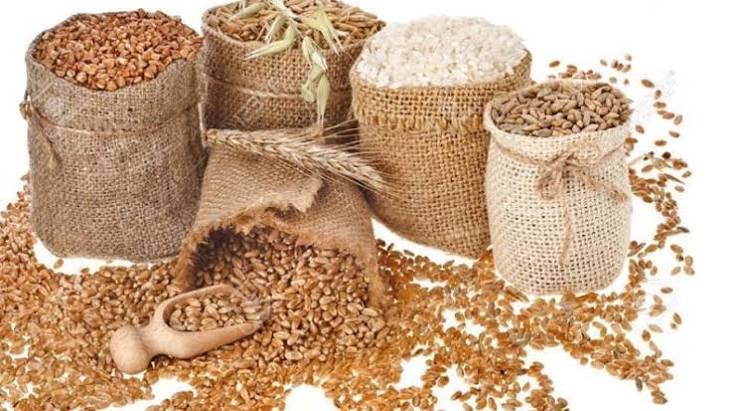
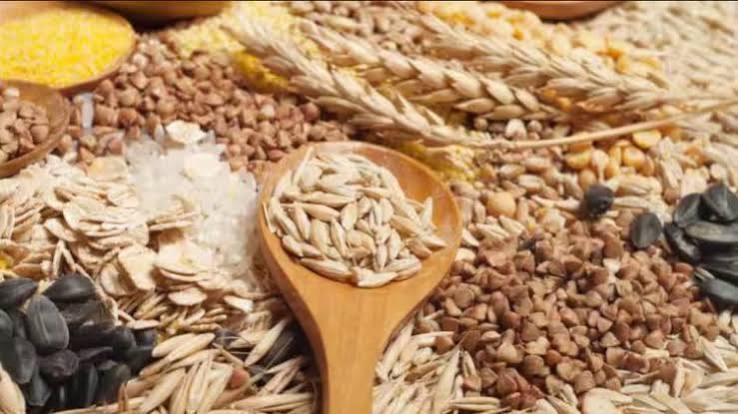
The FAO Cereal Price Index registered one of the largest monthly reductions, falling by 4.5 per cent in October.
The decline was influenced by weaker international demand and improved production prospects in several exporting countries. Expectations of better grain availability have reduced some of the supply concerns that previously supported international cereal prices.
Wheat and other major cereal markets remain sensitive to production estimates, export availability, weather conditions and geopolitical developments.
Lower international cereal prices could benefit countries that depend heavily on imported grains for food consumption and animal feed production.
However, the impact on domestic markets will also depend on currency movements, transportation expenses, import policies and local supply conditions.
Dairy and Meat Prices Also Contribute to the Decline
International prices for dairy products and meat also moved lower during October, contributing to the overall reduction in the FAO Food Price Index.
Changes in international demand, export availability and market competition influence prices across these commodity groups.
For dairy producers and exporters, international price movements can affect processing margins, export earnings and farm-gate returns.
Similarly, changes in meat prices have implications for livestock producers, meat processors and consumers. Feed costs, production expenses and international purchasing patterns remain important factors influencing the livestock industry.
Sugar Prices Rise 6.6 Per Cent
In contrast to the broader decline in food commodity prices, the FAO Sugar Price Index increased by 6.6 per cent during October.
The increase was associated with weather-related disruptions in Brazil and concerns over production prospects in other major sugar-producing regions, including India, the European Union and Thailand.
Brazil is a major global supplier of sugar, and changes in its production and export availability can significantly influence international sugar markets.
Weather conditions are particularly important for sugarcane cultivation because rainfall patterns and temperature variations can affect crop development, harvesting operations and sugar recovery rates.
Production uncertainty in India, the European Union and Thailand has also contributed to market concerns about global sugar availability.
Implications for Global Agriculture and Food Security
The October FAO assessment demonstrates that international food markets continue to experience different price trends across agricultural commodities.
While lower cereal, dairy and meat prices have contributed to a reduction in the overall index, rising sugar prices highlight the continuing influence of weather conditions and supply uncertainties.
For farmers, traders, food processors and policymakers, monitoring these developments is important for managing production decisions, procurement strategies and agricultural trade.
Import-dependent economies may benefit from lower international grain prices, while sugar-producing countries will need to monitor production conditions and export availability.
Why It Matters: The 1.2 per cent decline in the FAO Food Price Index indicates easing international prices across several major food commodity categories. However, the sharp increase in sugar prices demonstrates that weather disruptions and production uncertainty can create contrasting market trends. These developments will remain important for global food security, agricultural trade and farmer incomes during the 2026–27 marketing season.

 By