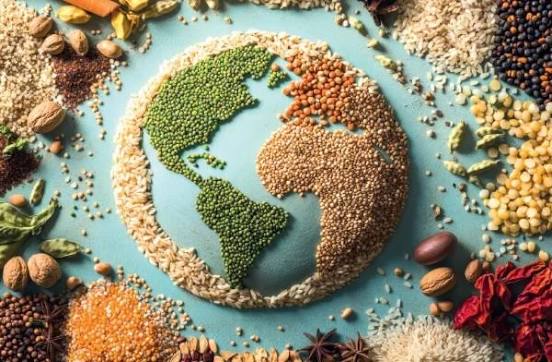
Global food commodity markets are facing a growing range of uncertainties, even as overall supplies of major agricultural products remain relatively comfortable. The Food and Agriculture Organization (FAO) has highlighted increasing risks associated with unpredictable weather conditions, fertilizer market disruptions and geopolitical tensions, warning that these factors could influence agricultural production, international trade and food prices in the coming months.
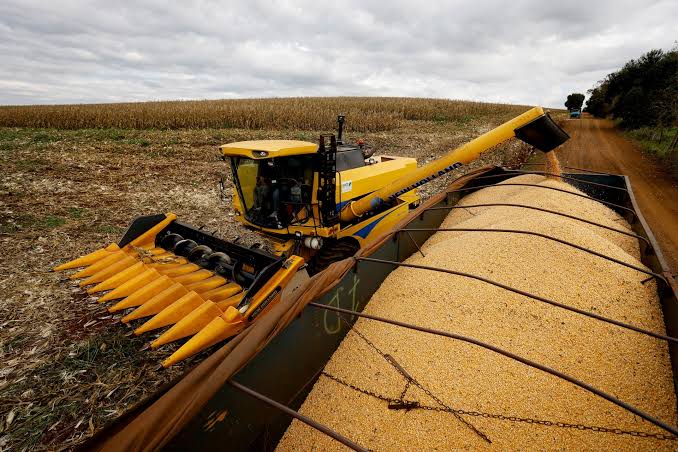
In its November 19 edition of the Food Outlook, FAO presented an assessment of global agricultural commodity markets, indicating that supplies of wheat and coarse grains are currently in a generally stable position. However, the organization cautioned that comfortable availability does not necessarily mean that global food markets are free from risks. Developments in agricultural input markets, extreme weather events and international political tensions could create fresh challenges for farmers, traders and food-importing countries.
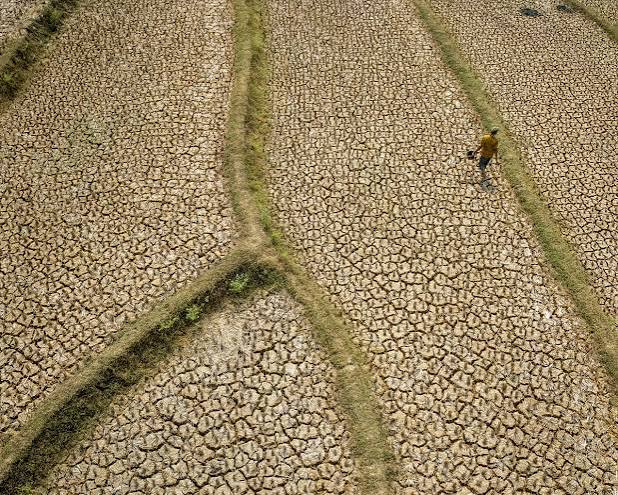
One of the major concerns highlighted in the report is the outlook for global rice production. FAO projections indicate that rice production could decline during the 2026/27 season. Any reduction in production could affect international rice availability, trade flows and prices, particularly in countries where rice represents a major part of daily food consumption.
The rice market remains particularly important for developing economies, where changes in production and export availability can have significant consequences for food security. Weather-related disruptions, changing cultivation conditions and input costs could further influence production decisions among rice-growing countries.
The sugar market is also showing signs of potential tightening. According to the FAO assessment, global sugar supplies are expected to become more constrained, raising concerns about the balance between production, consumption and international trade. Any significant reduction in available supplies could increase price volatility and create additional pressure on food-processing industries and consumers.
In contrast, the global oilseed sector is presenting a more positive picture. FAO expects oilseed production to reach record levels, reflecting favourable production prospects in major growing regions. Higher output could improve the availability of vegetable oils and oilseed-based products, supporting international supply chains and meeting demand from food, feed and industrial sectors.
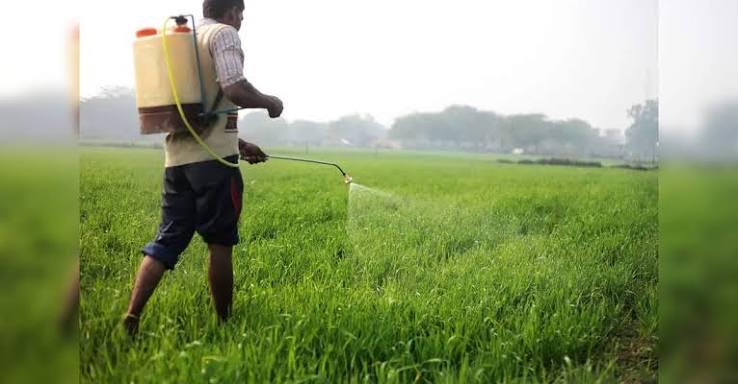
Despite these contrasting trends, fertilizer market disruptions remain a significant concern for global agriculture. Fertilizers are essential for maintaining crop productivity, and any interruption in their availability or increase in prices can raise cultivation expenses. Smallholder farmers, particularly in developing countries, may face greater difficulties in maintaining recommended fertilizer application levels when input costs increase.
Geopolitical tensions are adding another layer of uncertainty by affecting international trade routes, commodity transportation and agricultural supply chains. These developments could increase the cost of moving agricultural products between producing and consuming countries.
FAO’s latest assessment underlines the importance of closely monitoring global agricultural markets. While current supplies of several major commodities offer some reassurance, the outlook for rice and sugar highlights emerging vulnerabilities.
For governments, agricultural businesses and farming communities, the key challenge will be to strengthen supply-chain resilience, ensure affordable access to agricultural inputs and prepare for weather-related production risks. Maintaining stable food supplies will remain essential to protecting global food security and preventing sudden increases in food prices.

 By