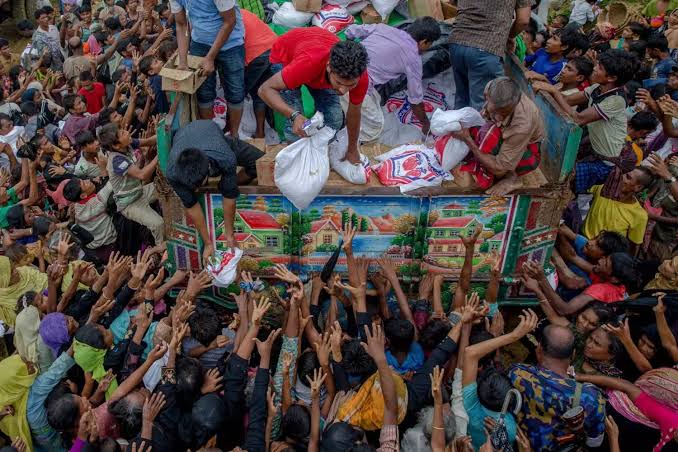
The United Nations World Food Programme (WFP) has announced a reduction in its planned food assistance target for 2027, reflecting growing financial constraints and increasing humanitarian needs across the world. The agency aims to provide assistance to 91 million people next year, down from its target of 110 million people in 2026.
The decision highlights the widening gap between global hunger requirements and the financial resources available to humanitarian organizations. Despite the reduction in its planned coverage, WFP estimates that approximately 266 million people worldwide are currently experiencing acute or severe hunger, underlining the scale of the global food security challenge.
To support its operations in 2027, the organization is seeking approximately $12 billion in funding. The proposed budget is intended to help deliver food assistance and other essential support to vulnerable populations affected by conflict, economic instability, climate-related disasters and displacement.
Funding Shortages Create Difficult Choices
Funding shortages have become a major challenge for international humanitarian agencies. Declining financial support from donors, combined with rising operational expenses, is making it increasingly difficult to maintain assistance programmes at their previous levels.
WFP faces the difficult task of prioritizing communities where food insecurity is most severe while working within limited financial resources. A reduction in its assistance target could leave millions of vulnerable people with less access to essential food support, particularly in regions already struggling with prolonged humanitarian emergencies.
The situation is especially concerning in countries affected by armed conflicts, political instability and extreme weather events. Displacement, damaged agricultural infrastructure and disrupted local markets often prevent families from producing or purchasing enough food to meet their daily nutritional requirements.
Rising Food and Transportation Costs Add Pressure
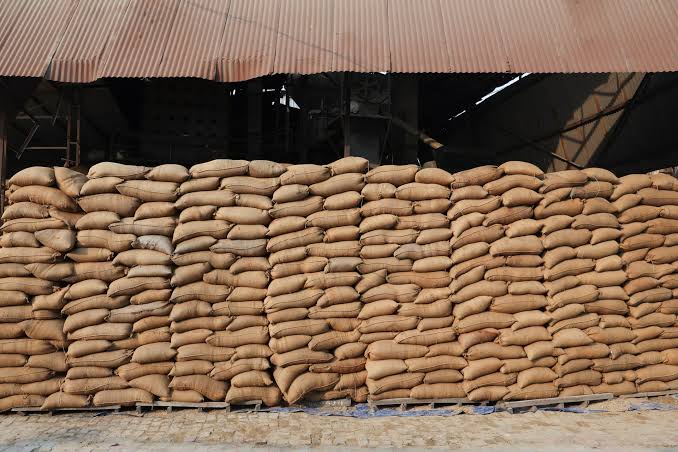
Increasing food prices and shipping costs are adding further pressure to humanitarian supply operations. Delivering food to remote and conflict-affected regions requires extensive transportation networks, storage facilities and logistical coordination.
Higher fuel prices, transportation expenses and disruptions to international shipping routes can increase the overall cost of humanitarian food deliveries. These challenges may reduce the quantity of food that aid agencies can purchase and distribute within a fixed budget.
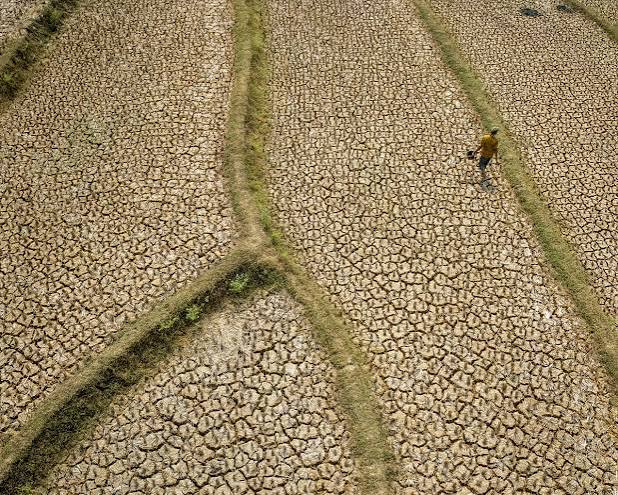
At the same time, climate-related challenges, including droughts, floods and irregular rainfall, continue to affect agricultural production in several vulnerable regions. Such conditions can reduce local food availability, increase dependence on imported commodities and place additional pressure on humanitarian assistance programmes.
Global Food Security Remains a Major Concern
The WFP’s revised assistance target reflects the growing difficulty of addressing global hunger amid competing financial and humanitarian priorities. With millions of people requiring urgent support, the availability of adequate funding will remain critical to preventing further deterioration in food security.
International cooperation, stronger agricultural production systems and reliable humanitarian financing will be essential to addressing these challenges. The coming year will be particularly important in determining how effectively global organizations can respond to rising hunger while managing limited resources.
The situation also reinforces the need for long-term investment in sustainable agriculture, resilient food supply chains and local food production to reduce dependence on emergency assistance.


 By