India’s rice production has reached approximately 154 million tonnes in the 2025/26 agricultural season, marking a significant expansion in the country’s agricultural output over the past decade. Production has increased by nearly 50% during this period, strengthening India’s position as one of the world’s largest rice producers and a leading supplier to international markets.
However, the rapid growth in production is also creating new challenges related to government procurement, storage capacity, financial expenditure and the sustainable use of natural resources. With domestic stocks continuing to rise, policymakers are increasingly examining ways to balance rice production with the country’s long-term agricultural and environmental priorities.
According to a Reuters report, India’s rice exports reached approximately 22.3 million tonnes in 2025, accounting for nearly 40% of global rice trade. This significant export contribution highlights India’s influence on international rice markets and its importance in meeting food demand across several importing countries.
Rising Government Stocks Create Storage Pressure
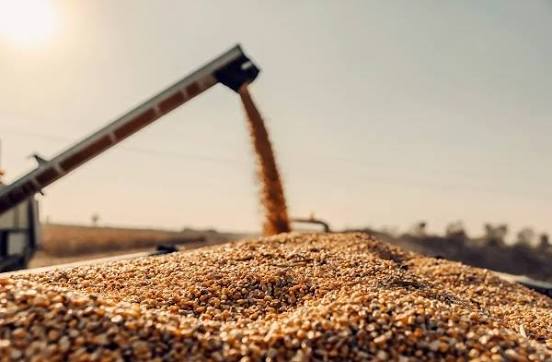
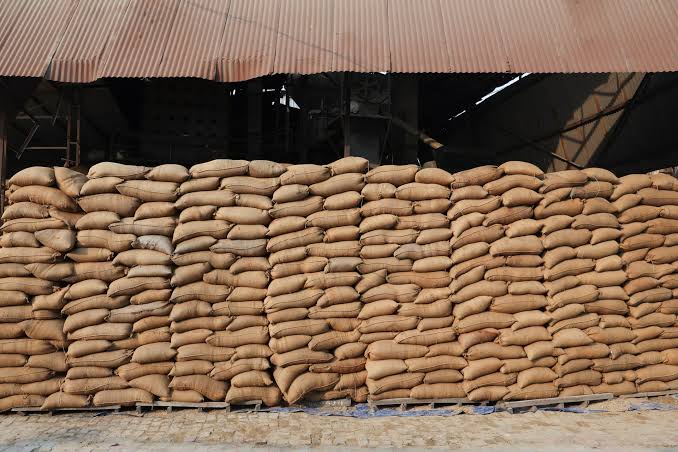
The expansion of rice production, combined with government procurement programmes, has contributed to increasing public grain inventories. Maintaining large quantities of rice requires substantial storage infrastructure, transportation facilities and financial resources.
Government agencies must ensure that procured grain is properly stored to prevent losses from moisture, pests and deterioration in quality. When stocks remain high for extended periods, storage and handling expenses can increase, placing additional pressure on public finances.
Large grain inventories also create logistical challenges, particularly when procurement volumes exceed immediate distribution requirements. Efficient stock management and timely movement of grain are therefore becoming increasingly important.
Water Consumption Raises Environmental Concerns
Another major concern is the environmental impact of expanding rice cultivation, particularly in regions where farmers depend heavily on groundwater for irrigation.
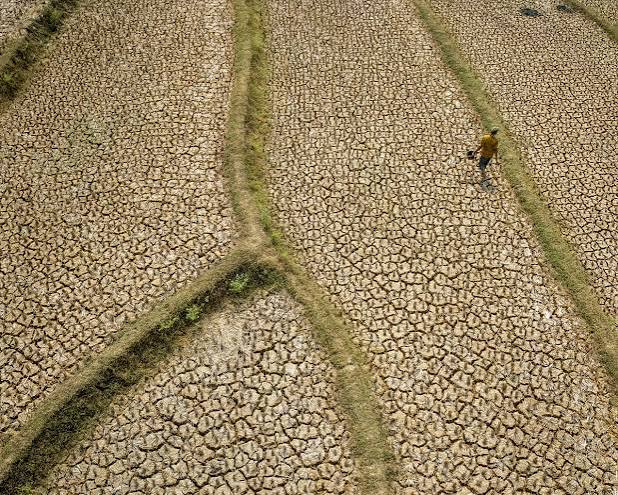
Rice is a water-intensive crop, and continuous cultivation in water-stressed agricultural regions can contribute to declining groundwater levels. The situation is especially important in parts of northwestern India, where intensive paddy cultivation has placed pressure on local water resources.
Excessive groundwater extraction can affect long-term agricultural sustainability and increase the cost of irrigation for farmers. Addressing this challenge requires improved water management, efficient irrigation technologies and suitable cropping patterns.
Crop Diversification Gains Importance
Against this background, policymakers are increasingly discussing crop diversification as a strategy to improve agricultural sustainability.
Farmers are being encouraged to consider alternative crops, particularly pulses and oilseeds, in suitable agricultural regions. These crops can help diversify farm income, reduce dependence on rice cultivation and support domestic production of important edible oil and protein sources.
Expanding pulses production could also contribute to reducing import dependence, while increased domestic oilseed output may strengthen India’s edible oil supply chain.
However, successful diversification will depend on reliable market access, remunerative prices, suitable crop varieties, processing infrastructure and effective procurement arrangements.
Balancing Food Security with Sustainable Agriculture
India’s growing rice production has strengthened its role in global food supplies, but managing surplus stocks is becoming an important policy challenge.
The country now faces the task of maintaining food security and export competitiveness while addressing storage costs, groundwater depletion and the need for more diversified agricultural production.
A combination of improved storage infrastructure, efficient procurement, sustainable irrigation and crop diversification could help address these challenges.
As India continues to expand its agricultural output, the focus is increasingly shifting from production growth alone towards efficient resource management and long-term sustainability. The future of the country’s rice sector will depend on how effectively it balances farmers’ economic interests, domestic food requirements and environmental protection.

 By