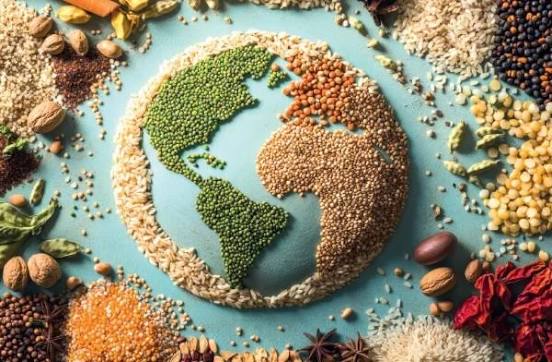
International cereal trade is expected to decline during the 2026/27 marketing season, reflecting reduced wheat shipments from major exporting countries and changing trends in global grain demand. According to the latest assessment by the Food and Agriculture Organization (FAO), global cereal trade is projected to reach approximately 507.7 million tonnes, representing a decline of 3.3% compared with the previous marketing season.
The forecast highlights changing conditions in international grain markets, where wheat, maize and rice are experiencing different trade trends. While wheat shipments are expected to record the largest decline, maize trade could increase moderately. Meanwhile, international rice trade is projected to recover in 2027, supported by stronger import demand and increased export availability from major suppliers, including India and Pakistan.
Wheat Trade Expected to Record the Largest Decline
Wheat is expected to account for the largest share of the projected reduction in global cereal trade. Lower shipments from some major exporting countries are likely to influence international availability and purchasing patterns among importing nations.
Wheat is a critical food commodity, supporting the production of bread, flour, pasta and numerous other food products. Any significant change in its international trade can affect countries that depend heavily on imports to meet domestic consumption requirements.
Importing countries may need to adjust their purchasing strategies, diversify suppliers and monitor international prices to maintain stable domestic food supplies.
Maize Trade Could Increase Despite Overall Decline
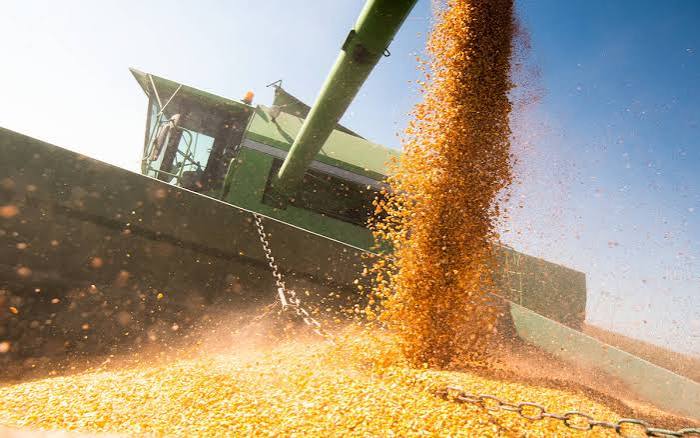
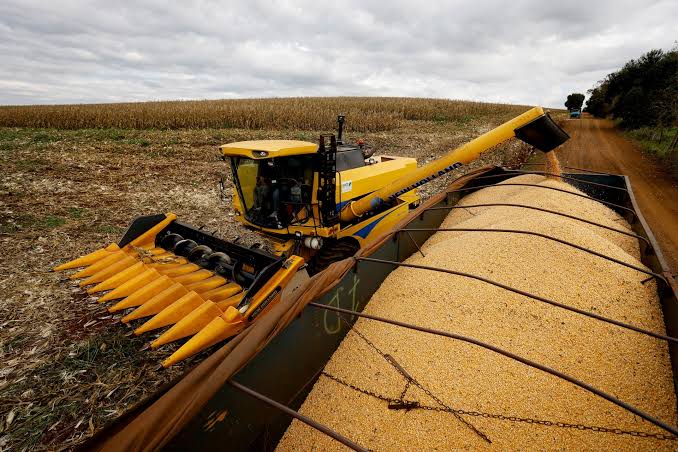
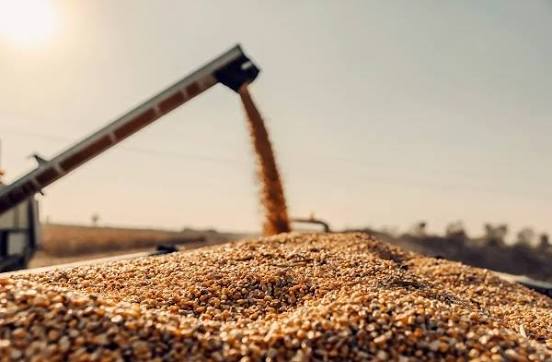
In contrast to the weaker wheat outlook, global maize trade is projected to increase by approximately 2.2% during the 2026/27 season.
Maize plays an important role in the global agricultural economy because of its extensive use in livestock feed, food processing and industrial applications, including ethanol production.
Growing demand from the animal feed and biofuel sectors could support international maize shipments. Countries with expanding livestock industries may also continue to rely on imported maize to meet feed requirements.
The projected increase suggests that maize could demonstrate greater resilience in international trade compared with other major cereal commodities during the coming marketing season.
Rice Trade Expected to Recover in 2027
The FAO assessment also points towards a recovery in global rice trade during 2027. Stronger import demand and increased export shipments from India and Pakistan are expected to support international market activity.
India remains one of the world’s most important rice exporters, supplying substantial quantities to markets across Asia, Africa and the Middle East. Pakistan also plays a significant role in international rice commerce, particularly through exports of basmati and non-basmati varieties.
Improved export availability from these countries could help importing nations secure supplies and support the recovery of international rice trade.
The performance of rice trade will also depend on production conditions, domestic stock policies, export regulations and demand from major importing countries.
Global Grain Markets Face Changing Trade Dynamics
The projected 3.3% decline in overall cereal trade demonstrates that international agricultural markets are experiencing different supply and demand patterns across commodity groups.
Reduced wheat shipments, increasing maize trade and recovering rice exports are likely to influence purchasing decisions, commodity prices and international shipping requirements.
For farmers, grain traders, food processors and policymakers, these developments highlight the importance of monitoring global production forecasts and trade movements.
As the 2026/27 marketing season progresses, weather conditions, crop yields, export policies and changing consumption patterns will remain important factors shaping international cereal markets.
The latest FAO outlook underlines the importance of maintaining resilient agricultural supply chains and ensuring that major food-producing countries can continue supplying international markets efficiently.

 By