Artificial intelligence (AI) and robotics are rapidly transforming global agriculture, ushering in a new era of efficiency, productivity, and sustainability. From automated machinery to data-driven decision-making, these technologies are helping farmers tackle some of the industry’s biggest challenges, including labor shortages, climate variability, and rising input costs.
One of the most significant impacts of AI in agriculture is the rise of precision farming. Using advanced algorithms, sensors, and satellite data, farmers can monitor crop health, soil conditions, and weather patterns in real time. This allows for precise application of water, fertilizers, and pesticides, reducing waste while maximizing yields. AI-powered systems can also predict pest outbreaks and disease risks, enabling farmers to take preventive action before major damage occurs.
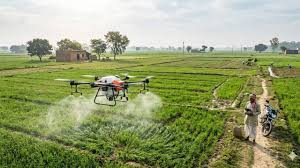
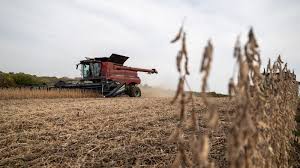
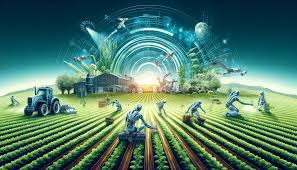
Robotics is playing an equally transformative role by automating labor-intensive tasks. Autonomous tractors, robotic harvesters, and drone technology are increasingly being deployed to perform activities such as planting, spraying, weeding, and harvesting. These innovations not only reduce dependence on manual labor but also improve accuracy and speed, leading to better overall farm management.
Companies like John Deere and Trimble Inc. are at the forefront of this technological shift, developing smart farming solutions that integrate AI with machinery. Their systems enable farmers to operate equipment remotely, analyze field data, and optimize operations with minimal human intervention.
Another key advantage of AI-driven agriculture is sustainability. By using resources more efficiently, farmers can reduce environmental impact while maintaining productivity. For instance, targeted irrigation systems help conserve water, while precision fertilizer application minimizes soil and water pollution. This is particularly important as agriculture faces increasing pressure to meet global food demand while reducing its carbon footprint.
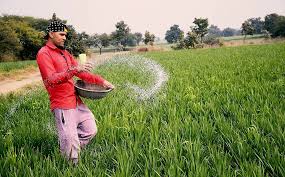
The adoption of these technologies is also opening new opportunities for small and medium-scale farmers. Mobile-based AI tools and affordable automation solutions are making it easier for farmers in developing regions to access advanced farming techniques. Governments and agricultural organizations are supporting this transition through training programs, subsidies, and digital infrastructure development.
However, challenges remain. High initial investment costs, lack of technical expertise, and limited access to digital infrastructure can slow adoption, especially in rural areas. Data privacy and cybersecurity are also emerging concerns as farms become more connected and reliant on digital systems.
Despite these hurdles, the integration of AI and robotics in agriculture is expected to accelerate in the coming years. As innovation continues and costs decline, these technologies will play a crucial role in ensuring food security, improving farmer incomes, and building a more resilient agricultural system.
Overall, AI and robotics are not just enhancing farming—they are redefining it. By combining technology with traditional agricultural practices, the sector is moving toward a smarter, more efficient, and sustainable future.

 By
By