

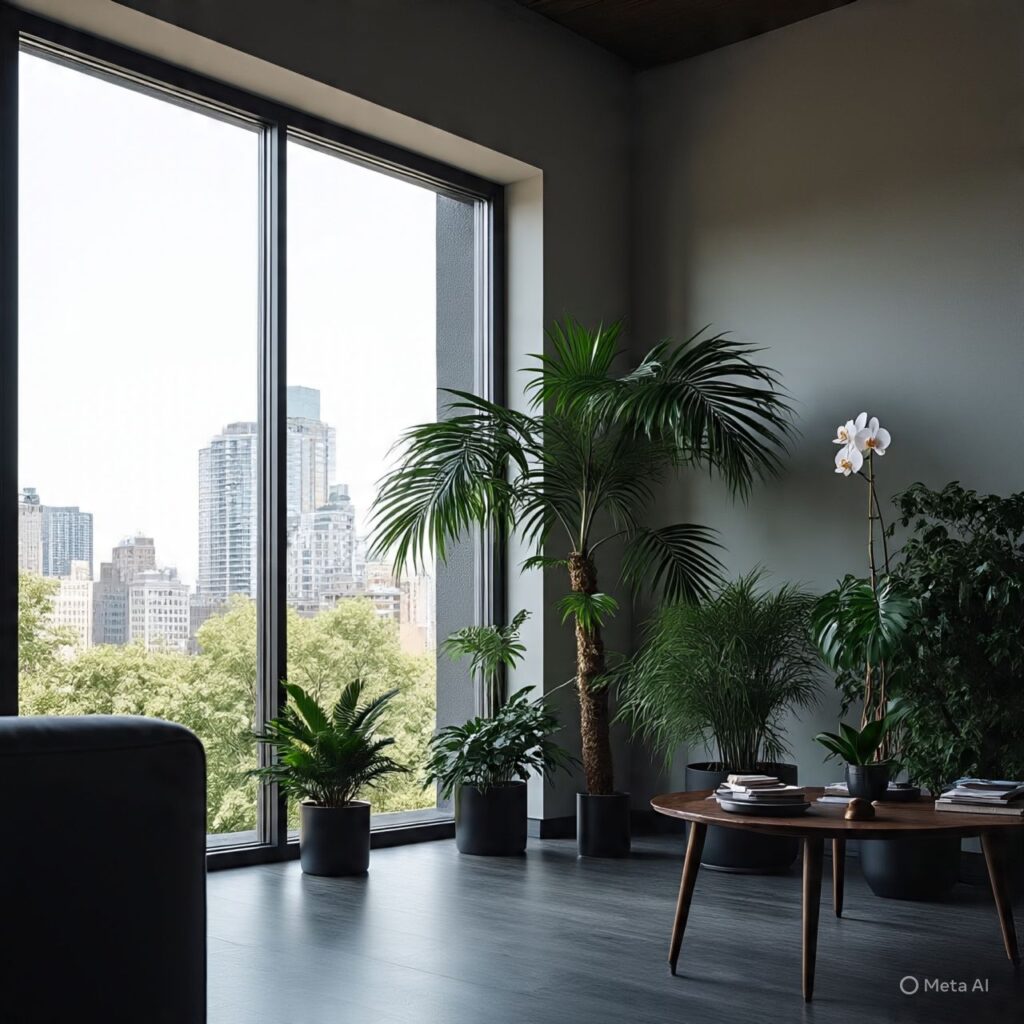
In the concrete jungles that our cities have become, there is a quiet, leafy revolution happening. More and more urban dwellers are embracing houseplants — not just as decorative pieces, but as essential companions that bring nature indoors. From purifying the air to calming stressed minds, indoor plants are transforming apartments, offices, and even tiny balconies into soothing green sanctuaries.
This shift towards urban greenery is not just a passing fad. It is rooted in a genuine desire to reconnect with nature, counter the ill effects of pollution, and create homes that feel alive and refreshing. In this article, we’ll dive deep into why houseplants are becoming indispensable for city dwellers, which varieties are most loved, and how they are reshaping the idea of healthy urban living.
Why Urban Homes Need Greenery
City life comes with a heavy price — air pollution, concrete surroundings, stressful commutes, and a fast-paced lifestyle that often leaves little room for nature. For many people, stepping into a green space is a luxury they experience rarely. In such an environment, houseplants have emerged as accessible, affordable, and effective ways to bring nature back into daily life.
Health Benefits Backed by Science
Several studies, including those by NASA, have shown that common indoor plants can remove toxins like benzene, formaldehyde, and trichloroethylene from the air. They absorb carbon dioxide and release oxygen, improving air quality naturally. Some plants even regulate humidity by releasing moisture through a process called transpiration.
Beyond physical health, plants have proven mental health benefits too. Research indicates that tending to plants lowers stress, boosts mood, improves focus, and even reduces symptoms of anxiety and depression. In work-from-home setups, where mental burnout has become common, plants can provide a sense of calm and connection.
Indoor Plants: More Than Just Decor
Unlike fancy decor items that gather dust, plants are living elements that grow, change, and respond to care. They add a touch of nature’s unpredictability to urban homes. Watching a new leaf unfurl or a flower bloom is a small but meaningful joy that city dwellers increasingly cherish.
Houseplants also help personalize spaces. They can turn a bland corner into a vibrant nook, soften harsh interiors, and even act as natural partitions in open-plan apartments.
Which Indoor Plants Are Most Popular?
While there are hundreds of houseplants suitable for urban homes, some have emerged as clear favorites among city residents. Their popularity often stems from being low-maintenance, hardy, and capable of thriving in limited light and space.
1. Money Plant (Pothos)
Perhaps the most common indoor plant in India and worldwide, the money plant is famous for its air-purifying qualities and ease of care. It thrives in water or soil, tolerates low light, and grows quickly. Many people believe it brings prosperity and positive energy, adding to its popularity.
2. Snake Plant (Sansevieria)
The snake plant is a champion air purifier. Its stiff, upright leaves make it visually striking, and it survives neglect better than most plants. It can grow well even in low light and requires minimal watering, making it perfect for busy urbanites.
3. Peace Lily
With its lush green leaves and elegant white blooms, the peace lily is both beautiful and practical. It removes toxins like ammonia and formaldehyde and also adds a touch of softness to interiors. It does well in indirect light and needs only moderate watering.
4. Spider Plant
This hardy plant is loved for its resilience and the way it produces ‘pups’ or baby plants that can be easily propagated. Spider plants are excellent at purifying indoor air and can survive varying conditions.
5. Areca Palm
Areca palms bring a tropical vibe indoors. They grow tall and bushy, making them great natural screens. Besides adding aesthetic value, they increase humidity and clean the air of toxins.
6. Aloe Vera
Aloe is not just an ornamental plant — its leaves hold a gel that has medicinal and cosmetic uses. It loves sunny spots, purifies air, and is almost indestructible.
7. Succulents and Cacti
These tiny, diverse plants are perfect for urban homes with limited space. They require very little water and thrive on windowsills. Their quirky shapes add character to modern interiors.
Plants at Work: Greening Urban Offices
It’s not just homes that are going green. Offices, coworking spaces, and cafes are adding plants as part of their design strategy. Green walls, tabletop planters, and hanging baskets make sterile workspaces more inviting and less stressful.
Many corporate offices now invest in biophilic design — a concept that integrates natural elements into built environments to boost employee well-being and productivity. Studies show that offices with plants report higher job satisfaction and lower stress levels among employees.
Urban Gardening: Small Space, Big Ideas
Urban dwellers are getting creative with limited space. Vertical gardens, balcony planters, hanging pots, and windowsill herb boxes are common sights in city apartments. Even the tiniest flats can host an indoor jungle if plants are chosen wisely.
Social media has amplified this trend. Instagram is filled with #IndoorJungle and #UrbanGardening enthusiasts who share ideas, hacks, and inspiration. From DIY macrame hangers to upcycled plant stands, urban gardeners are turning small corners into thriving green retreats.
Plants as Mood Lifters
The mental health crisis in urban centers is real. Long work hours, screen fatigue, and social isolation have all added to urban stress. Houseplants, with their silent companionship, offer a gentle antidote.
Many urbanites say that caring for plants gives them a sense of routine and purpose. Watering, pruning, and repotting are simple, mindful activities that pull people away from screens and reconnect them with nature’s rhythms.
Choosing the Right Plant for Your Space
For beginners, the biggest question is: Which plant should I get? The answer depends on light, space, and how much time you can spend caring for your green friends.
- Low light? Go for snake plants, pothos, or ZZ plants.
- Love sun? Succulents, cacti, or aloe vera are good picks.
- Forget to water? Cacti and snake plants can forgive neglect.
- Want flowers? Try peace lilies or anthuriums.
- Need a statement piece? Areca palms or fiddle leaf figs make bold green statements.
Simple Care Tips for Thriving Houseplants
While many indoor plants are easy to maintain, a few basics go a long way:
- Don’t overwater: More plants die from overwatering than underwatering.
- Right light: Place your plants where they get the right amount of sunlight.
- Regular dusting: Clean leaves occasionally so they can breathe.
- Repot when needed: Give roots room to grow.
- Check for pests: Keep an eye out for bugs and treat early.
Green Homes, Greener Cities
Individually, a few pots on a windowsill may not seem like much. But collectively, millions of urban homes with thriving indoor gardens contribute to a greener cityscape. Plants help moderate indoor temperatures, improve air quality, and reconnect people with nature — one pot at a time.
In fact, many city planners and architects now encourage integrating green spaces inside buildings. From community rooftop gardens to indoor courtyards, the future of urban living is undeniably green.
Sustainable Living: Beyond Aesthetic
Embracing indoor plants is often a first step towards more sustainable living. Many plant lovers go on to grow kitchen herbs, compost at home, or set up rainwater harvesting. What starts as a hobby can gradually shift people towards a lifestyle that respects nature.
The Future of Indoor Gardening
With rising pollution levels and growing awareness about mental well-being, the trend of indoor gardening is set to flourish further. Urban nurseries, online plant shops, and plant care workshops are booming businesses today.
Innovations like smart planters, automated watering systems, and grow lights are making it easier than ever to keep plants healthy, even in challenging urban settings.
Conclusion: A Green Oasis in Every Home
The renewed love for indoor plants reflects a deep, universal longing — to stay connected to nature even when we live in high-rises surrounded by concrete. Whether it’s a single succulent on your desk or an entire balcony brimming with ferns and palms, each plant brings a breath of fresh air into urban lives.
In a world that often feels rushed and polluted, a patch of green can be our daily reminder that life, like a plant, needs care, patience, and time to grow.
So the next time you pass by a plant shop, don’t hesitate to bring a little green friend home. Nurture it, watch it thrive, and let it remind you that even in the busiest cities, nature can find a way back to us — leaf by leaf, pot by pot.


 By












