

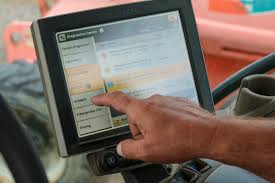
The increasing digitalization of agriculture in the United States is exposing farms and food companies to a growing wave of cybersecurity threats, prompting renewed concern among industry leaders and policymakers. As modern farming operations rely more heavily on connected equipment, data platforms, and automated systems, cyberattacks are emerging as a serious risk to food production, supply chains, and national security.
According to industry assessments, agricultural businesses have become attractive targets for cybercriminals due to their expanding use of precision agriculture tools, cloud-based farm management software, and internet-connected machinery. Attacks have ranged from ransomware incidents affecting food processors and logistics providers to data breaches involving sensitive operational and financial information. In some cases, disruptions have led to temporary shutdowns, delayed deliveries, and financial losses.
Lawmakers in the United States have warned that vulnerabilities in the agri-food sector could have far-reaching consequences. A successful cyberattack on critical food infrastructure, such as grain handling systems, meat processing plants, or distribution networks, could disrupt supplies and contribute to price volatility. With agriculture increasingly recognized as part of the country’s critical infrastructure, concerns are growing about the sector’s preparedness to deal with sophisticated cyber threats.
In response, U.S. legislators are calling for stronger cybersecurity protections tailored to the agricultural sector. Proposed measures include increased federal funding for research into agri-specific cybersecurity risks, the development of best-practice guidelines for farmers and agribusinesses, and improved coordination between government agencies, technology providers, and industry groups. There is also a push to expand training and awareness programs, particularly for small and medium-sized farms that may lack dedicated IT resources.
Experts emphasize that cybersecurity in agriculture requires a proactive and layered approach. This includes securing connected devices, regularly updating software, protecting data networks, and integrating cybersecurity considerations into the design of new digital tools. Collaboration between technology developers and end users is seen as essential to ensure that digital innovations enhance productivity without creating new vulnerabilities.
As the U.S. agricultural sector continues its digital transformation, policymakers and industry stakeholders agree that cybersecurity must be treated as a core component of resilience. Strengthening defenses against cyber threats, they argue, is critical not only to protect individual businesses but also to safeguard the stability and reliability of the nation’s food system.


 By
By











