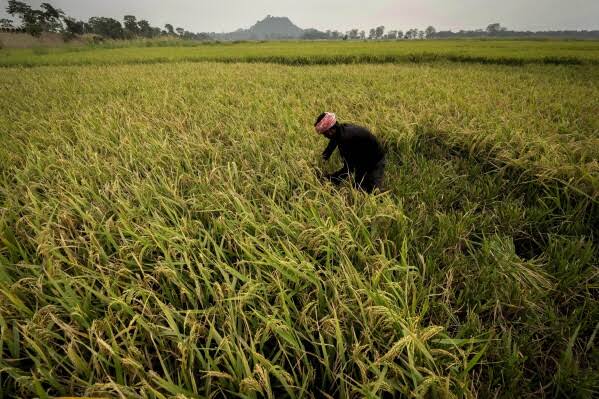
A recent Direct-Seeded Rice (DSR) Conclave brought together farmers, researchers, and policymakers to promote climate-smart rice cultivation and discuss innovative strategies for improving productivity while reducing environmental impact. The event emphasized sustainable farming techniques that conserve water, reduce greenhouse gas emissions, and enhance farm efficiency.
Experts highlighted that direct seeding of rice is an effective alternative to traditional transplanting methods, offering significant advantages in water savings, labor reduction, and timely crop establishment. By adopting DSR practices, farmers can also reduce methane emissions, contributing to climate change mitigation.
The conclave featured presentations on high-yielding varieties suitable for direct seeding, precision nutrient management, mechanized sowing techniques, and integrated weed control. Participants also discussed the role of digital tools, sensors, and farm advisory platforms in enabling farmers to monitor crop health and make data-driven decisions.
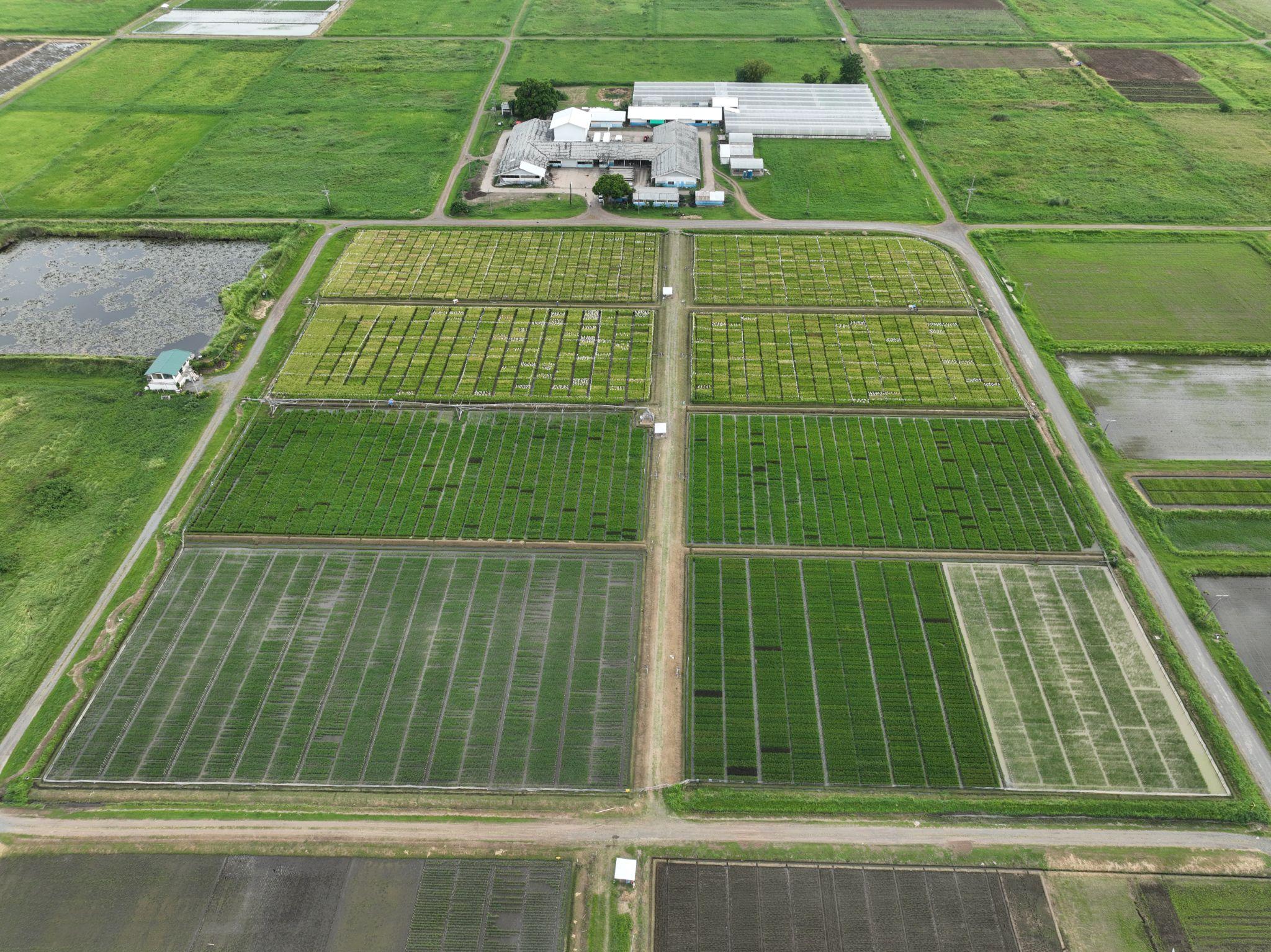
Officials stressed that scaling up DSR adoption could transform rice cultivation in water-stressed regions, where traditional puddled transplanting consumes excessive water and energy. Demonstrations and field trials showcased innovations in seed drill technologies and weed management, highlighting practical solutions for farmers to adopt DSR systems effectively.
Farmers attending the conclave shared positive experiences of improved yields, reduced labor costs, and better water efficiency under DSR. Policymakers reiterated support through subsidies, training programs, and outreach initiatives to accelerate adoption of climate-smart rice practices nationwide.
The conclave concluded with a consensus that direct-seeded rice, combined with precision agronomy and climate-smart practices, offers a sustainable pathway to meet the rising demand for rice while conserving resources and protecting the environment. By promoting DSR, the event underscored India’s commitment to modernizing agriculture and building resilience in the face of climate challenges.


 By
By