Global agricultural production is facing increasing challenges as exceptionally strong El Niño conditions and rising fuel and energy costs put pressure on farming communities across several continents. A recent assessment by the European Commission’s Joint Research Centre (JRC) has highlighted the combined impact of climate variability, high agricultural input costs and changing weather patterns on crop production and food security.
The report identifies Southern Africa, Central America and parts of South America among the regions experiencing significant agricultural risks. Below-average rainfall, delayed planting, prolonged drought and expensive agricultural inputs are creating difficult conditions for farmers, particularly smallholder and subsistence farming communities.
Southern Africa Faces Delayed Planting and Rainfall Deficits
Several Southern African countries, including Angola and Zambia, are experiencing concerns over below-average rainfall and delayed seasonal planting. Irregular precipitation is affecting farmers’ ability to prepare their fields and establish crops at the beginning of the agricultural season.
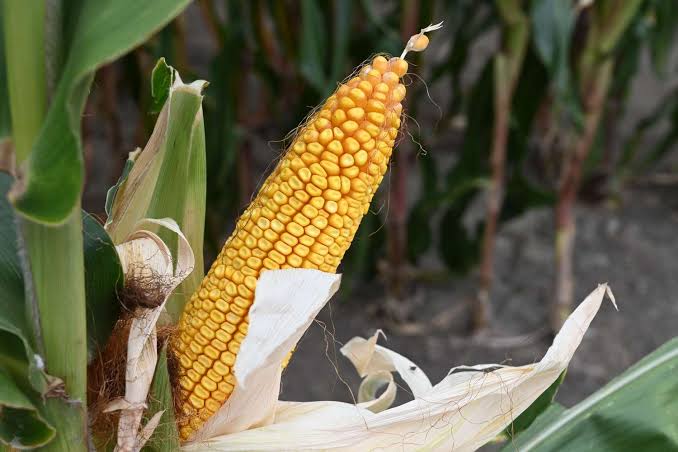
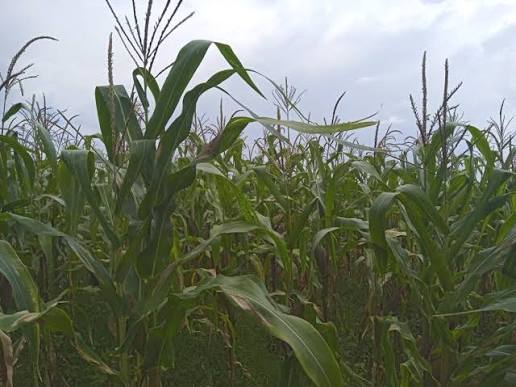
Timely rainfall is particularly important for maize production, which is a major staple food across the region. Delayed planting can shorten the growing period and expose crops to moisture stress during critical development stages.
If dry conditions continue, farmers could face reduced yields, declining household food supplies and lower agricultural incomes. Livestock production may also come under pressure because of limited pasture growth and declining water availability.
Central American Farmers Suffer Heavy Crop Losses
Central America is experiencing another serious agricultural challenge due to prolonged drought conditions. Maize and bean production, which form the foundation of food security for millions of households, have been particularly affected.
Some subsistence farmers have reportedly lost more than 75% of their first-season harvests. These losses are creating difficulties for rural families that depend on their own agricultural production for food and income.
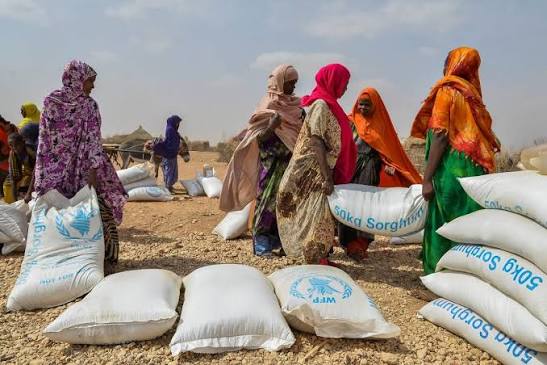
Reduced harvests could increase dependence on imported food and humanitarian assistance. Small-scale farmers with limited financial resources are especially vulnerable because they often lack access to irrigation, crop insurance and alternative sources of income.
Drought Creates Agricultural Emergencies in South America
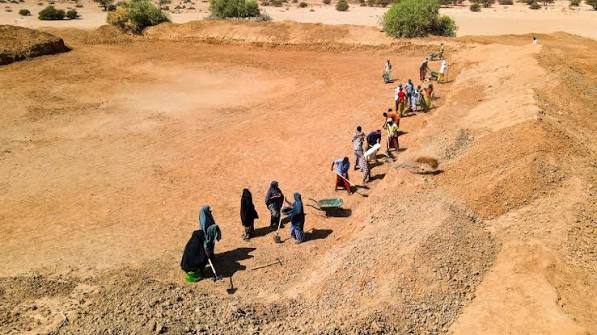
The assessment also highlights drought-related agricultural emergencies in Peru and Bolivia. Prolonged dry conditions and irregular rainfall are affecting crop production, livestock management and water availability in vulnerable agricultural areas.
Farmers in these countries face difficulties maintaining sufficient soil moisture for crop development. Water shortages are also affecting livestock, increasing the risk of reduced productivity and economic losses among rural households.
The situation demonstrates how changing climate conditions can create similar agricultural challenges across geographically different regions.
High Energy and Fuel Costs Increase Farming Expenses
Alongside weather-related pressures, high fuel and energy prices are creating additional difficulties for agricultural producers.
Modern farming operations depend heavily on diesel-powered machinery, irrigation pumps, transportation and food processing facilities. Rising energy costs increase expenses associated with land preparation, planting, harvesting and moving agricultural commodities to markets.
Fertiliser production is also energy-intensive, particularly for nitrogen-based fertilisers. Higher natural gas and energy prices can therefore increase fertiliser manufacturing costs, potentially affecting availability and affordability for farmers.
Smallholder farmers may be forced to reduce fertiliser application, limit mechanisation or postpone certain agricultural activities when production costs become unaffordable.
Climate Resilience Becomes a Priority for Agriculture
The growing combination of extreme weather and higher production costs highlights the importance of climate-resilient agricultural practices.
Experts emphasise the need to expand drought-tolerant crop varieties, improve irrigation efficiency, strengthen rainwater harvesting and promote soil moisture conservation. Crop diversification and improved weather forecasting can also help farmers manage uncertain growing conditions.
Governments and agricultural institutions will need to strengthen support for vulnerable farming communities through affordable agricultural inputs, financial assistance and timely climate information.
Outlook for Global Food Security
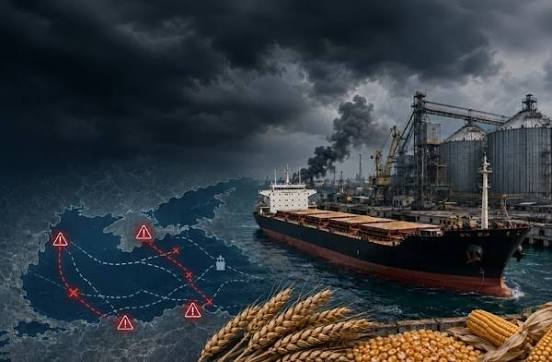
The agricultural challenges identified across Africa and the Americas demonstrate the interconnected nature of climate risks and agricultural economics. Poor harvests in multiple regions could affect food availability, increase import requirements and put additional pressure on international food markets.
As strong El Niño conditions continue to influence global weather patterns, protecting agricultural production will require coordinated efforts involving governments, research institutions and farming communities.
The coming agricultural seasons will be crucial in determining the extent of production losses. Strengthening climate adaptation, managing input costs and improving farmers’ access to modern agricultural technologies will remain essential for maintaining global food security.

 By