International grain markets are facing continued uncertainty as security concerns and logistical bottlenecks in the Black Sea region disrupt the movement of agricultural commodities. Shipping delays, port congestion and rising transportation risks are affecting grain exports from Ukraine and other regional suppliers, creating challenges for exporters, shipping companies and international buyers.
The Black Sea region is one of the world’s most important agricultural export corridors, particularly for wheat, maize and other cereal crops. Ukraine, Russia and neighbouring countries play a significant role in supplying grain to international markets, including destinations across Africa, the Middle East and Asia.
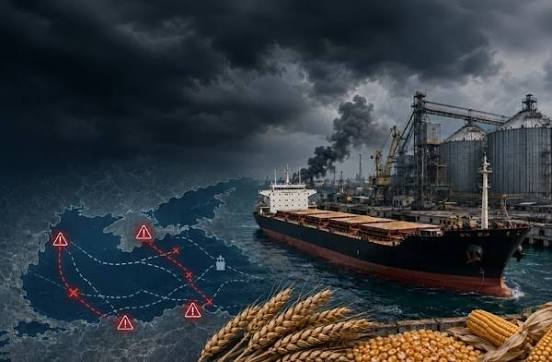
However, ongoing security concerns have complicated maritime operations and reduced the efficiency of export logistics. Market reports indicate that vessels travelling towards Ukraine’s Danube ports are experiencing waiting periods of up to 30–40 days in certain cases. These extended delays are creating difficulties for shipping schedules and increasing uncertainty among international grain traders.
Port Congestion Creates Export Challenges
Ukraine’s Danube ports have become increasingly important for maintaining agricultural exports during periods when operations through major Black Sea ports face difficulties.
Ports along the Danube River provide an alternative route for moving grain towards international markets. However, increased dependence on these facilities has placed additional pressure on available infrastructure, storage capacity and vessel-handling operations.
Long waiting periods can increase freight expenses, vessel operating costs and insurance charges. Exporters may also face difficulties meeting delivery deadlines under international supply contracts.
For agricultural traders, delays can create financial complications because grain purchases, transportation arrangements and delivery schedules are closely connected. Even when sufficient grain is available for export, logistical restrictions can prevent timely movement to overseas customers.
Security Risks Continue to Influence Shipping Operations
Security remains a major concern for vessels operating in and around the Black Sea. Military activities, threats to port infrastructure and the possibility of damage to commercial shipping have increased operational uncertainty.
Shipping companies must carefully assess navigation risks, insurance requirements and alternative transportation arrangements before sending vessels into affected areas.
These challenges have also encouraged traders to monitor developments in alternative export corridors. However, shifting large volumes of grain between different transportation routes is not always straightforward because railways, roads, river terminals and storage facilities have limited handling capacity.
Global Grain Buyers Face Greater Uncertainty
The continued disruption could have consequences for countries that depend on Black Sea grain supplies. Importers in North Africa, the Middle East and parts of Asia closely monitor Ukrainian and Russian export availability when planning their food procurement requirements.
If shipping delays continue, buyers may need to source wheat and maize from alternative suppliers, potentially increasing transportation expenses and procurement costs.
Argentina, Australia, the United States and other major agricultural exporters could benefit from additional purchasing interest if Black Sea shipments become less reliable. However, alternative suppliers may not always be able to replace the required volumes immediately.
Outlook for International Agricultural Trade
The situation highlights the importance of reliable transportation infrastructure in maintaining global food supply chains. Agricultural production alone cannot guarantee food availability if harvested commodities cannot reach international markets efficiently.
Improving port operations, strengthening alternative export corridors and maintaining secure maritime transportation will remain essential for reducing disruptions.
For farmers, exporters, shipping companies and food-importing countries, developments in the Black Sea region will continue to influence international grain prices and trade decisions.
As the 2026–27 marketing season progresses, the efficiency of Black Sea shipping routes could become an important factor in determining global wheat availability, export competitiveness and food market stability.

 By