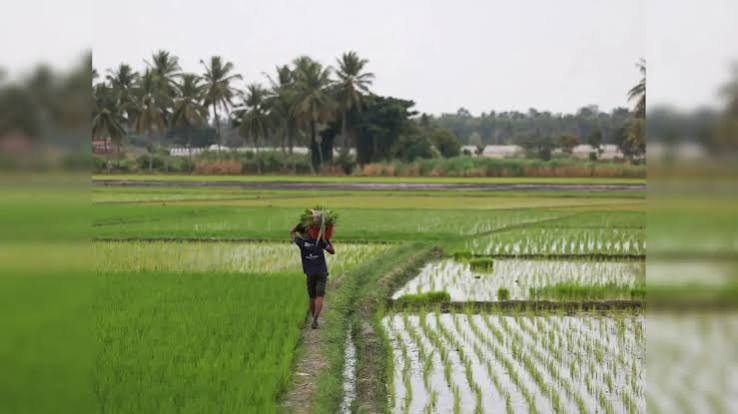
India’s rice production has reached an estimated record 154 million tonnes in the 2025–26 agricultural year, marking another significant milestone for the country’s agricultural sector. The increase reinforces India’s position as one of the world’s largest rice producers and a major supplier to international markets. However, the growing surplus is also creating new challenges for policymakers, farmers and the agricultural supply chain.
Rice is a staple food for a large proportion of India’s population and plays a crucial role in national food security. Over the years, improvements in high-yielding varieties, irrigation infrastructure, farm mechanisation and agricultural practices have contributed to higher production. Government procurement programmes and minimum support prices (MSP) have also encouraged farmers in major rice-producing states to continue cultivation.
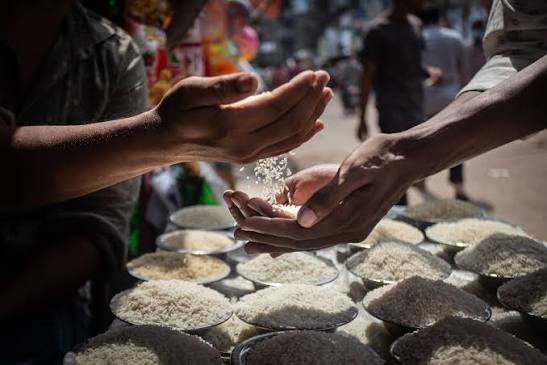
India’s expanding production has strengthened its influence in international rice trade. Rice exports have approximately doubled over the past decade, helping the country establish a strong presence in several Asian, African and Middle Eastern markets. Competitive prices, large exportable surpluses and established supply networks have supported this growth.
However, the rapid expansion of production has created a growing imbalance between domestic demand and available supplies. Government procurement has continued to add substantial quantities of rice to public reserves, increasing pressure on storage infrastructure. According to the Reserve Bank of India, public foodgrain stocks were more than four times the prescribed buffer requirement at the end of March 2026, largely because of high rice inventories.
The financial implications are also becoming increasingly important. Procurement, transportation, storage and distribution involve considerable public expenditure. Rice accounts for a major share of India’s food subsidy commitments. Maintaining large inventories for extended periods increases the government’s carrying costs and creates additional pressure on food management budgets.
Water sustainability is another major concern. Rice cultivation requires substantial quantities of water, particularly in regions where farmers depend heavily on groundwater for irrigation. Continuous expansion of paddy cultivation in water-stressed areas could accelerate groundwater depletion. Excessive dependence on rice production may also affect soil health and increase pressure on fertiliser resources.
Agricultural experts and policymakers are therefore facing the challenge of balancing food security with sustainable farming practices. Encouraging farmers to diversify towards pulses, oilseeds, millets and other less water-intensive crops could help reduce pressure on natural resources while addressing India’s nutritional and agricultural import requirements.
Export management will also remain an important policy priority. India has strengthened its position in global rice markets, but large exportable surpluses require efficient logistics, competitive pricing and stable trade policies. International competition and changing demand patterns could influence future export earnings.
The government may need to focus on improving modern storage facilities, strengthening supply-chain infrastructure and promoting crop diversification through appropriate incentives. Better procurement planning and the development of alternative domestic uses for surplus rice could also help manage excess stocks.
India’s record rice production is undoubtedly an achievement for its agricultural sector. However, the next challenge will be to convert higher output into long-term economic and environmental benefits. A balanced approach combining food security, export growth, efficient public spending and responsible water management will be essential to ensure the sustainability of India’s rice economy.

 By