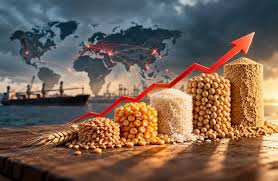
Global food commodity prices declined in October 2026, offering some relief to international food markets after several months of price increases. However, food costs remain significantly higher than they were a year ago, highlighting continued pressure on consumers, farmers and agricultural supply chains.
According to the latest data released by the Food and Agriculture Organization of the United Nations (FAO), the FAO Food Price Index averaged 133.9 points in October 2026, declining by 1.2% from its revised September level of 135.6 points. Despite the monthly decline, the index remained 5.9% above its level in October 2025.
The reduction was mainly driven by falling international prices of cereals, dairy products and meat. However, increasing sugar prices and a marginal rise in vegetable oil quotations partially offset the overall decline.
Cereal Prices Record the Sharpest Decline
The FAO Cereal Price Index fell by 4.5% in October compared with the previous month. International wheat prices declined after recording four consecutive months of increases. Weaker import demand and improved production prospects, particularly in Argentina, contributed to the downward movement.
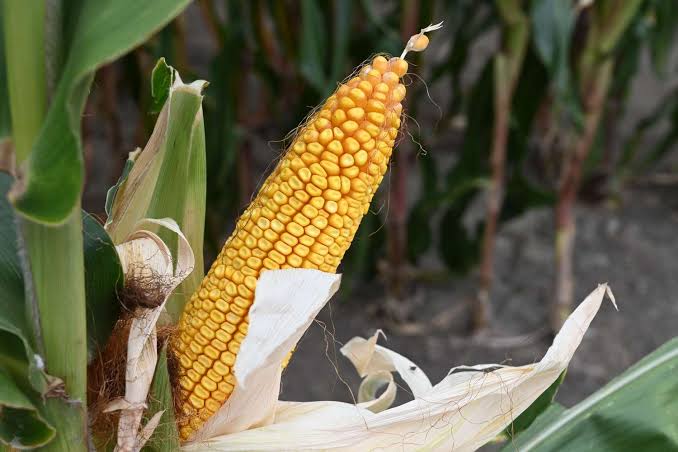
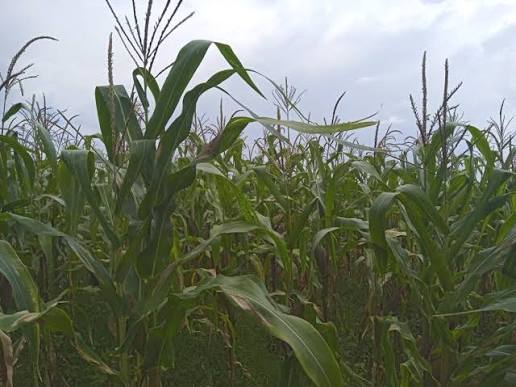
Maize prices also decreased after reaching a three-year high in September. Seasonal harvesting pressure in the United States, expectations of sufficient supplies from major South American producers and improving prospects for Black Sea grain exports influenced market prices.
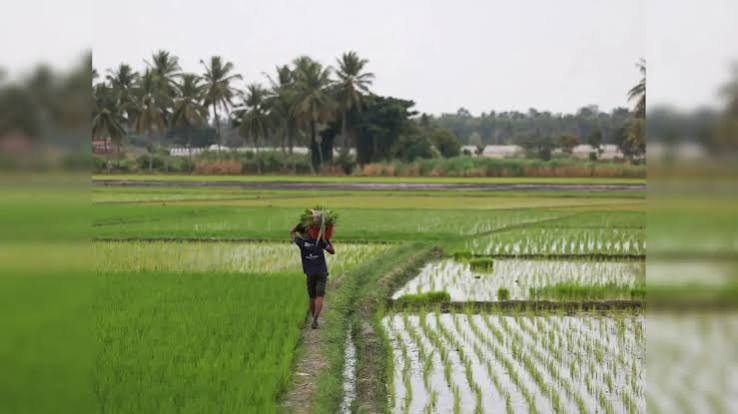
However, international rice prices moved in the opposite direction. The FAO All Rice Price Index increased by 1.6% during October, supported by harvesting delays in some exporting countries, unfavourable weather conditions and rising production costs.
Sugar Prices Continue Their Upward Movement
While most major food commodity groups experienced declining prices, sugar recorded another significant increase.
The FAO Sugar Price Index climbed 6.6% in October, marking its fourth consecutive monthly increase. It reached its highest level since December 2024 and stood 28.8% above its level a year earlier.
Rainfall-related disruptions to sugarcane harvesting and processing operations in Brazil’s major Centre-South producing region contributed to the increase. Concerns about production prospects in India, the European Union and Thailand also supported international sugar prices.
Dairy and Meat Markets Experience Price Corrections
The FAO Dairy Price Index declined by 1.1% in October as international butter and cheese quotations weakened amid adequate supplies and subdued buying interest. These declines outweighed further increases in milk powder prices.
Similarly, the FAO Meat Price Index decreased by 1.2% during the month. Prices of pig, sheep and bovine meat products declined, while poultry prices remained broadly stable.
Meanwhile, the Vegetable Oil Price Index increased marginally by 0.3%. Higher soybean and sunflower oil quotations offset falling rapeseed oil prices. Strong demand from the biofuel sector contributed to the rise in soybean oil prices.
Global Food Markets Face a Mixed Outlook
The October figures indicate that international food markets are experiencing different price movements across commodity groups. Although declining cereal, dairy and meat prices have reduced the overall index, rising sugar and rice prices highlight continuing supply-side challenges.
FAO also estimated global cereal production at approximately 2.999 billion tonnes in 2026, which would represent the second-highest production level on record. However, global cereal trade is forecast to decline by 3.3% during the 2026–27 marketing season.
For farmers, exporters, food manufacturers and importing countries, these developments will remain important in determining agricultural profitability and food affordability.
The coming months will be particularly significant as weather conditions, harvesting progress, international trade movements and production costs continue to influence global agricultural commodity markets.

 By