The long‑awaited EU–Mercosur free-trade agreement has been postponed after facing strong opposition from farmers in France and Italy, highlighting the ongoing tensions between trade liberalization and domestic agricultural protection. French and Italian agricultural groups have organized widespread protests, arguing that the pact could expose European farmers to unfair competition from South American imports, particularly beef, poultry, and soy, potentially undermining local production and threatening rural livelihoods.
The EU–Mercosur agreement, which has been under negotiation for over two decades, is intended to reduce tariffs and expand market access between the European Union and the South American trade bloc, which includes Brazil, Argentina, Paraguay, and Uruguay. Proponents argue that the deal would stimulate trade, create jobs, and strengthen economic ties across both regions. However, the recent wave of farmer protests has placed political pressure on EU leaders to reconsider the timing of ratification.
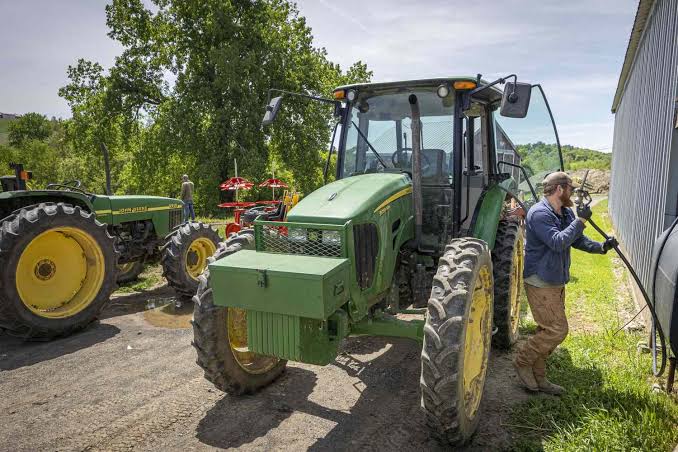
In France and Italy, demonstrations have included road blockages, farm machinery rallies, and vocal lobbying of lawmakers, reflecting deep-rooted concerns over food standards, environmental protections, and fair pricing. Farmer unions have called for stronger guarantees on sustainability, stricter labeling requirements, and measures to ensure that imported goods meet European environmental and labor standards. Government officials in both countries have acknowledged these concerns, prompting the delay and signaling a willingness to renegotiate aspects of the agreement to address domestic opposition.
European Commission officials stressed that the delay does not indicate a cancellation of the pact, but rather an effort to ensure that all member states are fully prepared for implementation and that potential impacts on local agriculture are mitigated. Analysts suggest that the postponement may also provide an opportunity to strengthen monitoring mechanisms and sustainability safeguards, ensuring that trade liberalization aligns with European climate and environmental goals.
As negotiations resume, attention will focus on balancing economic growth with protection of domestic farmers and addressing public concerns, while maintaining the EU’s commitment to strategic trade partnerships with Mercosur nations. The outcome of these discussions could shape future trade deals and influence how Europe navigates tensions between global commerce and local agricultural interests.


 By
By