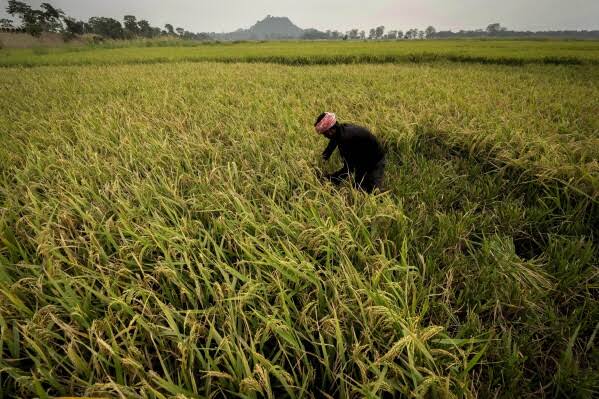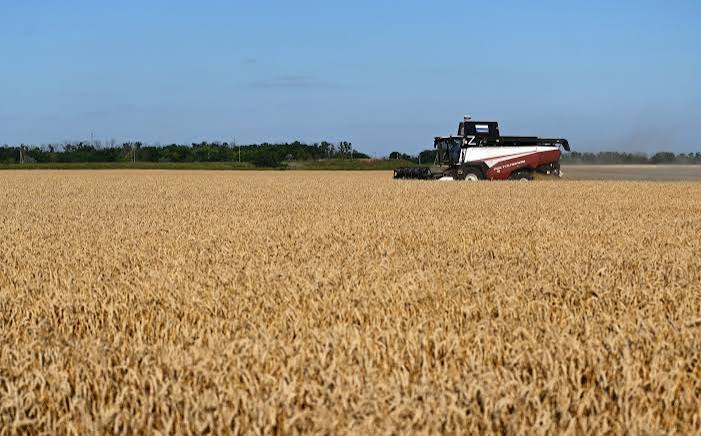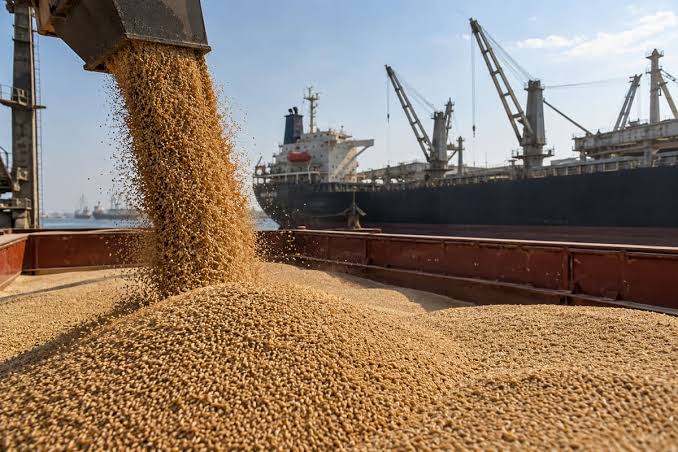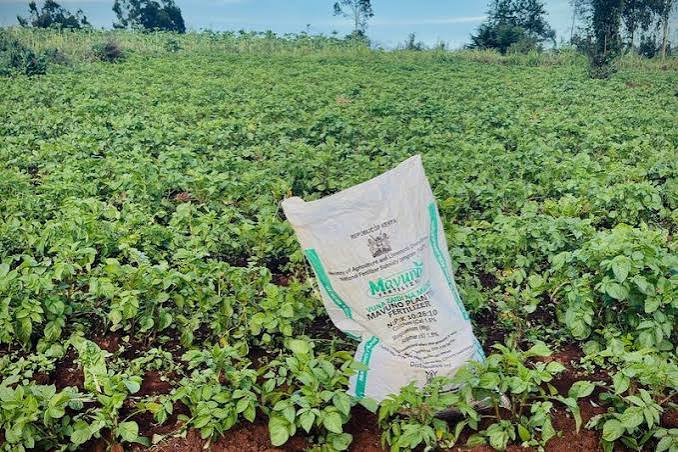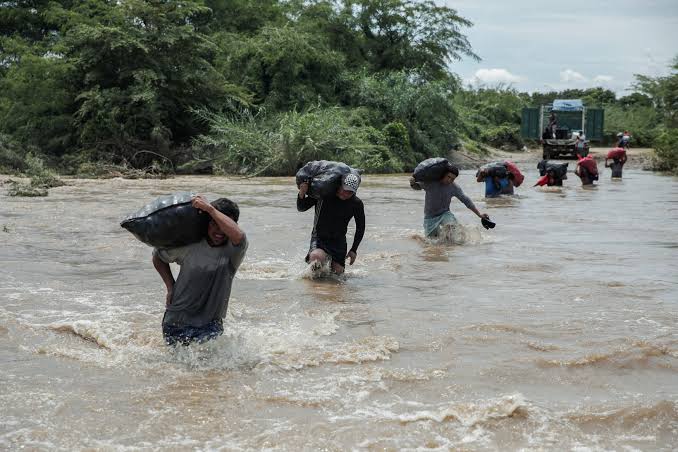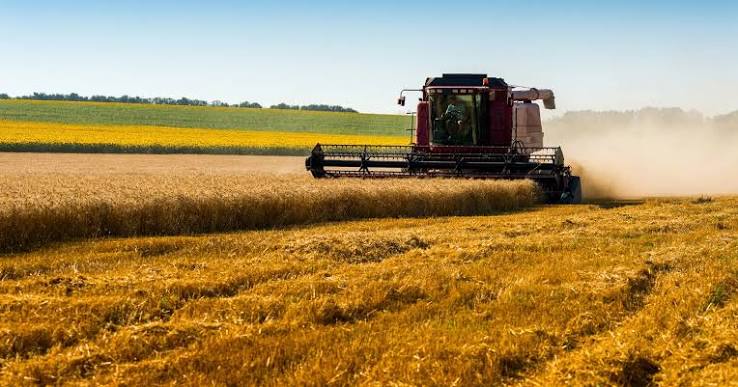
A new white paper released by the Food and Agriculture Organization (FAO) during COP30 has brought renewed attention to the intertwined challenges of climate change, agriculture, and global food security. The report highlights how rising temperatures, shifting weather patterns, and ecosystem degradation are reshaping food production, while also emphasizing the opportunities that smarter land management and sustainable practices can offer.
The FAO’s analysis synthesizes recent scientific findings and outlines clear pathways for strengthening the resilience of food systems. It places particular focus on three key areas—soil management, livestock systems, and wetland conservation—where targeted action can help curb emissions, enhance productivity, and safeguard natural resources.
Soil health is presented as a crucial foundation for climate mitigation and adaptation. According to the report, soils rich in organic matter not only boost crop yields but also serve as important carbon sinks. The FAO encourages countries to prioritize practices such as cover cropping, reduced tillage, and diversification of crop rotations. These techniques improve soil structure, reduce erosion, and increase the land’s ability to retain water, offering farmers greater protection against droughts and extreme weather.
Livestock, another major focus of the white paper, is identified as both a source of emissions and a sector with significant potential for climate solutions. Improved feed efficiency, better manure management, and responsible grazing systems can reduce methane output while maintaining or even enhancing productivity. The FAO stresses that livestock plays a critical role in rural livelihoods, especially in developing regions, and that climate policies should support—not undermine—these communities as they transition to lower-emission practices.
Wetlands also receive special attention for their role in regulating climate and supporting biodiversity. The FAO warns that the drainage and degradation of wetlands for agriculture is releasing large amounts of stored carbon and threatening water supplies. Restoring these ecosystems, the report notes, can help stabilize local climates, control floods, and protect habitats essential for fisheries and wildlife.
Delegates at COP30 welcomed the white paper as a timely reminder that agriculture must be central to global climate strategies. Many countries have already begun integrating food system reforms into their national climate plans, but the FAO cautions that progress remains uneven. Stronger international cooperation, investment in research, and support for farmers will be essential to unlock the full potential of sustainable agriculture.
As climate pressures intensify, the FAO’s report reinforces a clear message: transforming the way the world produces food is not only vital for environmental stability, but also for the future of global nutrition, livelihoods, and economic resilience.


 By
By