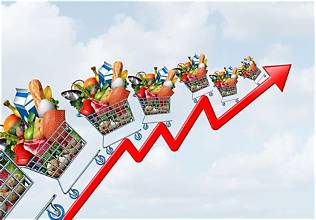
The United Nations Food and Agriculture Organization (FAO) has issued a fresh warning that the world could be heading toward another significant wave of food price inflation, driven by a combination of escalating geopolitical conflicts, rising fertilizer costs, elevated fuel prices, and the intensifying effects of the developing El Niño weather pattern. According to the agency, these factors are expected to place increasing pressure on global food systems during the latter half of 2026 and into 2027.
The FAO cautioned that while international food prices had stabilized in recent months following the sharp spikes experienced in previous years, the current global environment presents a new set of risks capable of disrupting agricultural production, supply chains, and food affordability. The organization stressed that policymakers and governments must prepare for heightened volatility in agricultural commodity markets.
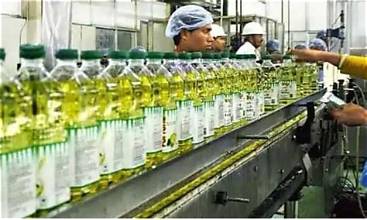
One of the major concerns highlighted by the FAO is the persistence of geopolitical conflicts, which continue to affect the movement of agricultural commodities, fertilizers, and energy supplies across international markets. Trade disruptions and shipping uncertainties have increased transportation costs, making it more expensive to move food from producing regions to importing countries. These disruptions are particularly challenging for developing nations that rely heavily on imported grains, vegetable oils, and fertilizers.
Another significant factor behind the anticipated food inflation is the continued rise in fertilizer prices. Fertilizers are among the largest input costs for farmers worldwide, and sustained price increases could lead many producers to reduce fertilizer application rates. Lower fertilizer use may ultimately result in reduced crop yields, limiting global food production and putting upward pressure on prices. Smallholder farmers in low-income countries are expected to be among the hardest hit, as they often have limited access to affordable agricultural inputs.
Energy prices are also playing a crucial role in shaping food inflation. Higher fuel costs increase expenses across the agricultural value chain, from farm machinery operations and irrigation to transportation, storage, and food processing. These additional costs are often passed on to consumers, raising retail food prices and contributing to inflation in both developed and developing economies.
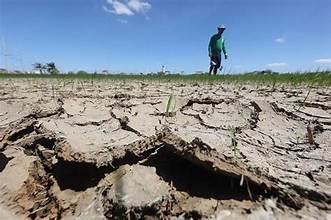
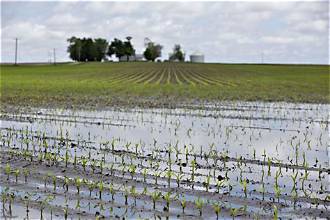
The FAO also pointed to the growing influence of El Niño, the natural climate phenomenon associated with warmer-than-average sea surface temperatures in the Pacific Ocean. El Niño frequently alters global weather patterns, leading to droughts in some agricultural regions and excessive rainfall or flooding in others. Such extreme weather events can significantly reduce crop production, disrupt harvest schedules, and affect livestock productivity.
Several major food-producing regions are already monitoring weather conditions closely, with concerns that unfavorable rainfall patterns could impact staple crops such as wheat, maize, rice, and soybeans. Any substantial decline in production from key exporting countries could tighten global supplies and trigger renewed price increases in international markets.
The organization warned that food-importing countries with limited financial resources remain particularly vulnerable to another surge in food prices. Rising import bills could strain government budgets, increase inflationary pressures, and worsen food insecurity among millions of people. Humanitarian agencies may also face additional challenges in providing food assistance if commodity prices continue to rise.
Experts believe that strengthening agricultural resilience will be essential to mitigating future shocks. Investments in climate-smart agriculture, efficient irrigation systems, improved seed varieties, sustainable fertilizer management, and diversified food supply chains can help reduce the vulnerability of food systems to climate and geopolitical disruptions.
Despite the warning, the FAO emphasized that coordinated international action can help limit the impact of future price spikes. Governments are encouraged to avoid unnecessary trade restrictions, support farmers through targeted policies, maintain transparent agricultural markets, and invest in long-term food security strategies.
As global economic uncertainty and climate challenges continue to intersect, the FAO’s latest assessment serves as a reminder that ensuring stable food supplies will require sustained international cooperation, resilient agricultural systems, and proactive policy measures to protect both producers and consumers from another global food price crisis.

 By
By