As the global population races toward 10 billion by 2050, the world faces a double challenge how to feed everyone without accelerating climate change. Experts warn that without immediate reforms in how we grow, transport, and consume food, agriculture could push the planet beyond its environmental limits.
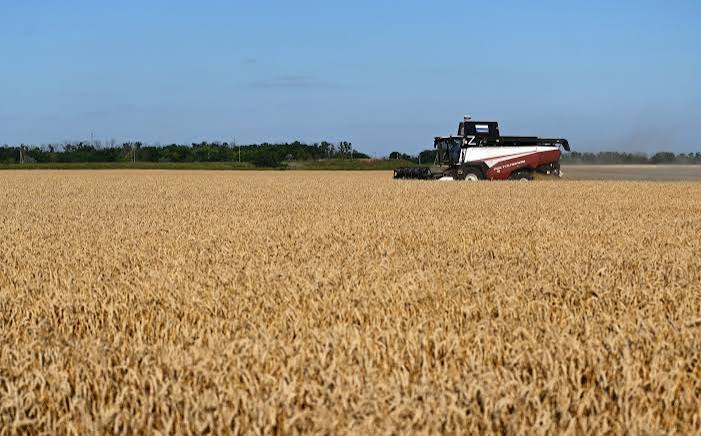
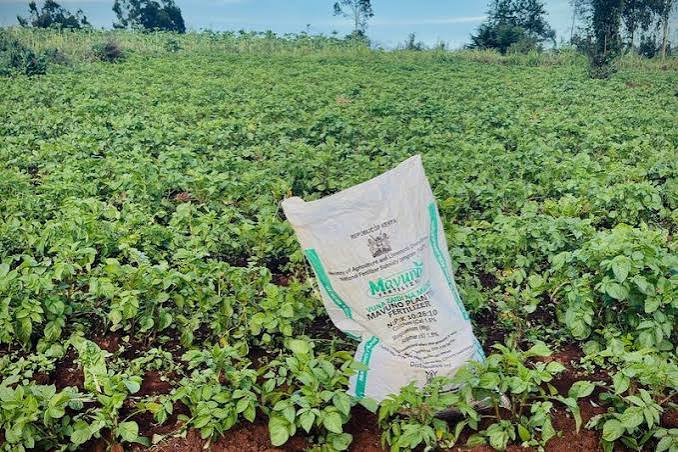
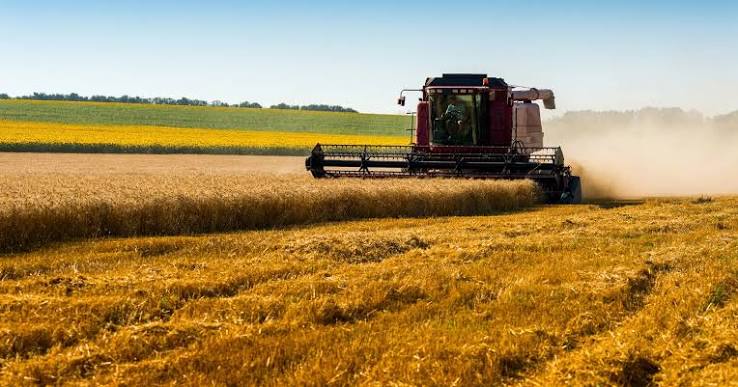
Currently, global food systems including agriculture, transport, processing, and food waste contribute nearly 30% of all greenhouse gas (GHG) emissions. Agriculture alone accounts for a large share of methane and nitrous oxide, potent gases that warm the atmosphere faster than carbon dioxide. From deforestation for crop expansion to emissions from livestock and fertilizers, the sector’s environmental impact continues to grow.
Climate scientists and policymakers emphasize that transforming global food systems is key to meeting international climate goals. Reducing emissions from farming, improving soil health, and cutting food waste can make a major difference. Studies suggest that halving food waste and shifting toward more plant-based diets could reduce agricultural emissions by up to 40%.
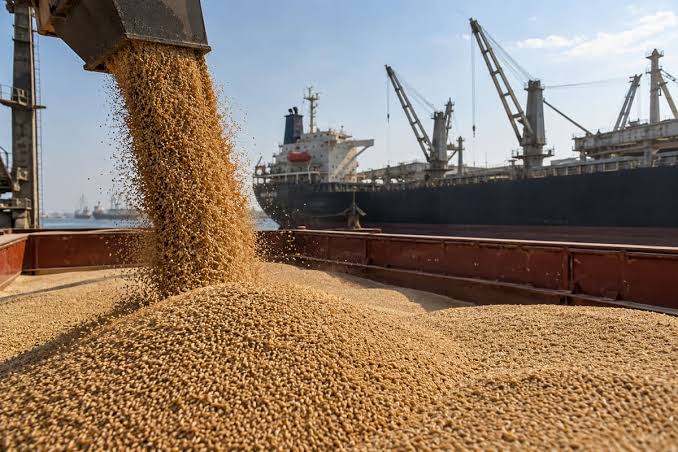
Innovation is also playing a vital role. Climate-smart agriculture, precision farming, renewable energy use in food processing, and sustainable transport methods are emerging as practical solutions. Governments, private sectors, and farmers are being urged to collaborate in promoting regenerative agriculture practices that restore ecosystems and capture carbon in the soil.
In addition, improving efficiency across food supply chains can curb both emissions and hunger. Around one-third of all food produced globally is wasted, even as millions go hungry. Addressing this imbalance is not just an environmental necessity but a moral imperative.
The message is clear: feeding the world does not have to come at the planet’s expense. By rethinking how food is produced and consumed, the global community can ensure a sustainable future one where no one goes hungry, and the Earth remains livable for generations to come.


 By
By