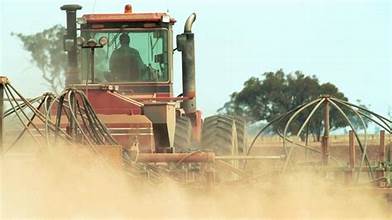
Australia has announced a series of targeted relief measures to help farmers cope with tightening global fertilizer supplies, as international disruptions continue to pressure production costs and threaten cropping plans for the year ahead. The government’s intervention comes amid rising concern among growers about supply bottlenecks, price volatility, and the long-term implications for national food security.
According to officials, global fertilizer markets remain strained due to geopolitical tensions, high energy costs, and restricted availability of key nutrients such as urea, phosphate, and potash. These constraints have created uncertainty across the Australian agriculture sector, particularly for grain, sugarcane, cotton, and horticulture producers who rely heavily on mineral fertilizers.
To mitigate these challenges, the government has introduced several immediate support measures. Among the most significant is the suspension of select regulatory fees tied to fertilizer imports and compliance processes, aimed at lowering administrative costs for suppliers and ensuring smoother product movement into the country. Authorities argue that easing these financial burdens will help stabilize the market and maintain adequate supply during the critical winter cropping season.
In addition, the federal government has established a Fertiliser Supply Working Group, bringing together industry leaders, policymakers, and supply chain experts to coordinate national responses. The group will monitor market conditions, identify emerging bottlenecks, and advise on contingency plans, including diversification of sources and potential strategic reserves. Its mandate also includes examining long-term solutions such as boosting domestic manufacturing capacity and accelerating research into fertilizer efficiency technologies.
Farm organizations have welcomed the measures, noting that volatility in global nutrient markets has significantly affected farm budgets over the past two years. Producers say improved policy coordination and supply-chain transparency will be crucial to preventing disruptions during peak planting periods.
With fertilizer availability directly tied to crop yields and food production, the government emphasized that these steps form part of a broader strategy to strengthen Australia’s agricultural resilience. Officials indicated that additional policy actions may follow as global market conditions evolve.

 By
By