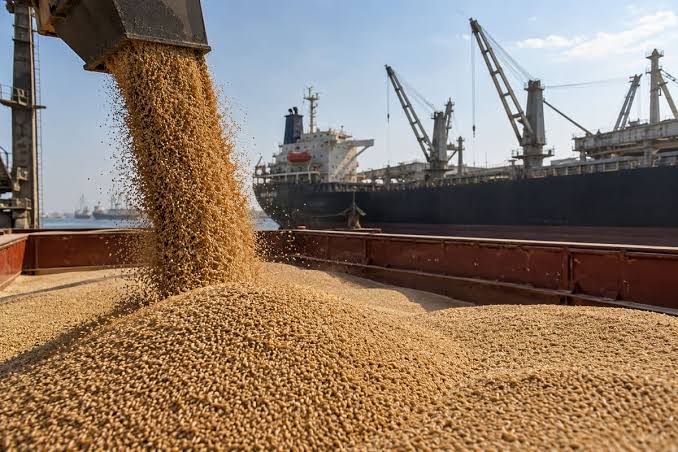
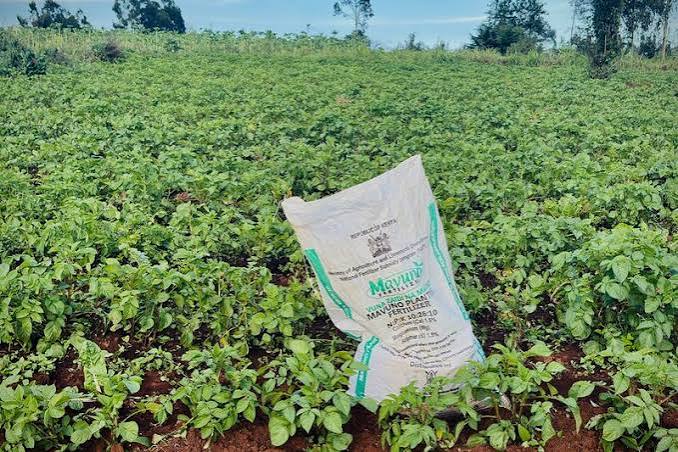
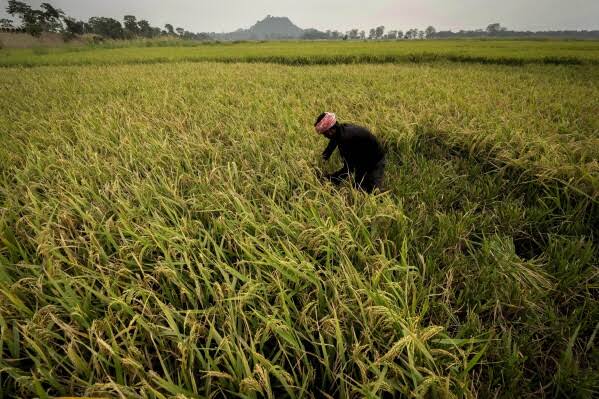
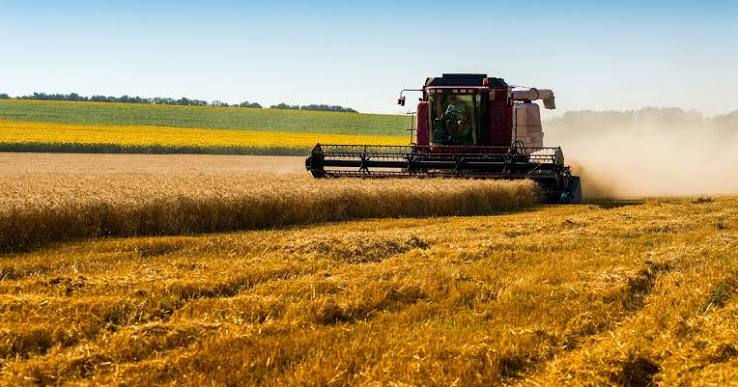
As the 2025 crop season unfolds, global agricultural markets are increasingly at the mercy of extreme and erratic weather patterns, making weather the single biggest driver of price movement across key commodities like wheat, corn, soybeans, rice, and sugar.
Weather Turns Unpredictable
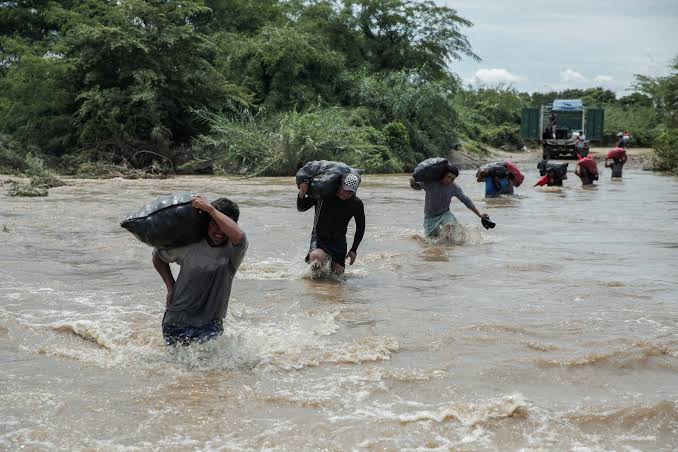
Unseasonal rains, droughts, and floods intensified by ongoing climate shifts are disrupting crop cycles across continents. Recent flooding in Southeast Asia, dry conditions in parts of North America, and delayed monsoons in South Asia are already impacting both yields and harvesting timelines.
These factors are:
- Reducing planting acreage in affected zones
- Delaying harvests and increasing post-harvest losses
- Forcing countries to reconsider their export and import strategies
Market Response: Volatility on the Rise
Due to rising uncertainty:
- Wheat and corn prices on the Chicago Board of Trade (CBOT) have fluctuated by over 15% in the past month
- Rice prices in Asian markets hit a seasonal high amid import stalls and supply disruptions
- Soybean futures have shown sharp upward movement, particularly with drought concerns in Brazil and the U.S. Midwest
Traders and analysts warn that if adverse weather persists or escalates in August and September critical months for crop maturation we could witness short-term price spikes and long-term supply strain in international markets.
Importers, Exporters Adjust Strategy
Countries highly dependent on imports (like Egypt, Bangladesh, and parts of Sub-Saharan Africa) are closely monitoring weather trends and exploring new sourcing strategies to manage potential food inflation.
Meanwhile, major exporters like India, Brazil, and the U.S. are juggling domestic food security concerns with international demand. India, for instance, has temporarily slowed rice exports due to weather-linked production concerns, while also boosting stockpiles.
Experts Call for Vigilance
Market analysts stress the need for hedging strategies and close monitoring of weather models. “If El Niño or La Niña conditions intensify, expect a sharp tightening of global supply, especially in rice, wheat, and sugar,” noted Dr. Carla Jensen, an agri-economist at the Global Food Policy Institute.


 By