In a welcome development for the global agriculture sector, fertilizer prices have registered an average decline of 8% over the past two months. This dip is attributed to easing input costs, improved international supply chains, and increased production capacity in key exporting countries. The drop in prices is expected to bring much-needed relief to farmers, especially in developing countries where fertilizer costs significantly impact overall production expenses.
Easing Market Pressures
According to industry analysts, the decline follows a sustained period of high prices driven by supply disruptions, energy market volatility, and the war-induced global trade uncertainty of recent years. However, with natural gas prices stabilizing and shipping routes operating more efficiently, the cost of producing and transporting fertilizers such as urea, DAP (diammonium phosphate), and potash has decreased.
“Energy costs, especially natural gas, account for a major portion of fertilizer production. With global gas prices down nearly 12% this quarter, fertilizer manufacturers have been able to pass on some of the savings to the end users,” said Peter Thomason, a senior analyst at AgriCommodities Global.
Regional Impact
In India, one of the world’s largest consumers of fertilizer, the fall in international prices has helped reduce the fiscal burden on the government, which subsidizes a large share of fertilizer use. The Ministry of Chemicals and Fertilizers reported a 6% reduction in the average procurement cost of imported urea and phosphate fertilizers in May and June.
Similarly, in sub-Saharan Africa, where farmers often struggle with access and affordability, the price correction is creating opportunities for improved nutrient application and better crop yields.
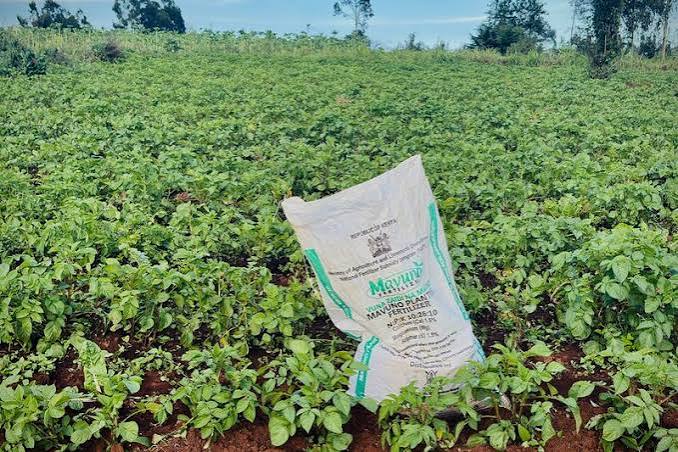
“We’ve seen fertilizer bags returning to rural shops in volumes not witnessed in the past two years. This is a game-changer for smallholder farmers,” said Ama Koffi, Director of AgroAccess Ghana.
Boost to Food Security
The price drop is timely, especially with major food-producing regions entering their sowing seasons. In Asia, the Kharif season has begun with early and well-distributed monsoon rains. In the United States and Latin America, planting of corn and soybean is progressing rapidly.
Lower fertilizer costs can encourage farmers to apply optimal nutrient levels, which enhances productivity and soil health. “Affordable fertilizers mean we won’t have to cut corners on nutrient application. It directly translates into better harvests,” shared Rakesh Patel, a farmer from Gujarat, India.
Industry Response
While prices are falling, experts caution that the market remains sensitive to geopolitical and climatic shocks. Manufacturers are maintaining cautious optimism, adjusting production strategies to avoid oversupply while meeting demand.
Meanwhile, agri-input companies are also pushing for the adoption of balanced fertilization and integrated nutrient management. Companies are promoting customized nutrient blends and bio-stimulants to ensure long-term soil fertility.
Outlook
The World Bank’s Commodity Markets Outlook for mid-2025 suggests that fertilizer prices may continue to ease gradually if energy prices remain stable and geopolitical tensions do not escalate. However, any significant disruptions such as sanctions, port closures, or adverse weather in key production zones could reverse the trend.
For now, the dip in fertilizer prices is a positive sign for global agriculture. As farmers prepare for crucial cropping seasons across continents, affordability of inputs could be the key to ensuring food security, economic stability, and improved farmer incomes in 2025.


 By