In a decisive effort to safeguard the interests of Indian farmers and ensure the supply of high-quality agricultural inputs, the Government of India has reinforced multiple regulatory and support mechanisms to monitor fertiliser quality and promote sustainable farming practices. The Ministry of Agriculture and Farmers Welfare (MoA&FW) has adopted a multi-pronged approach that includes stricter enforcement, farmer training, and expansion of farm mechanisation.
Strict Regulation to Curb Substandard Pesticides and Fertilisers
To ensure that farmers receive only quality pesticides and fertilisers, the Department of Agriculture & Farmers Welfare (DA&FW) is rigorously implementing provisions under the Insecticides Act, 1968, and the Fertilizer Control Order (FCO), 1985.
A network of 12,511 insecticide inspectors across the country regularly inspects manufacturing units and retail outlets. Between 2020-21 and 2024-25, around 3.56 lakh pesticide samples were tested, and over 9,000 substandard samples were identified and acted upon legally, reflecting the government’s zero-tolerance policy against counterfeit agrochemicals.
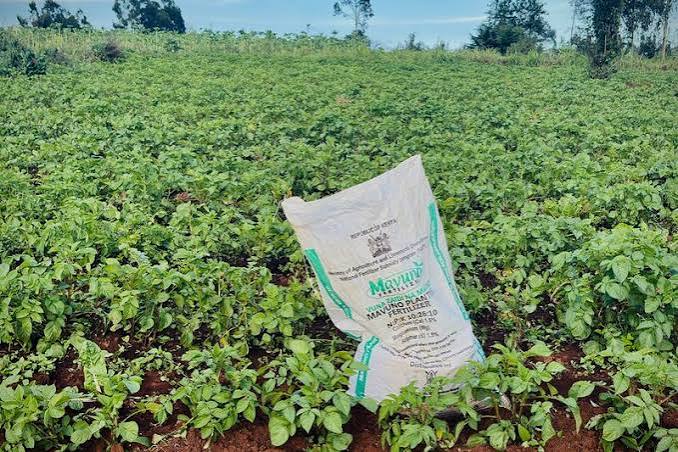
Under the Fertilizer Control Order (FCO), 1985, strict quality norms have been defined for chemical, organic, and bio-fertilisers. Fertilisers failing to meet prescribed standards are prohibited from sale, and violators face administrative penalties and criminal prosecution under the Essential Commodities Act, 1955, with jail terms ranging from three months to seven years.
Empowering Farmers Through Training and Awareness
To prevent overuse and misuse of chemical inputs, the government is working through its Central Integrated Pest Management Centres (CIPMCs), Krishi Vigyan Kendras (KVKs), and State Agriculture Departments to conduct regular training programs. These programs educate farmers on the judicious and need-based use of pesticides, promoting safe and sustainable agricultural practices.
Farm Mechanisation Gets a Boost
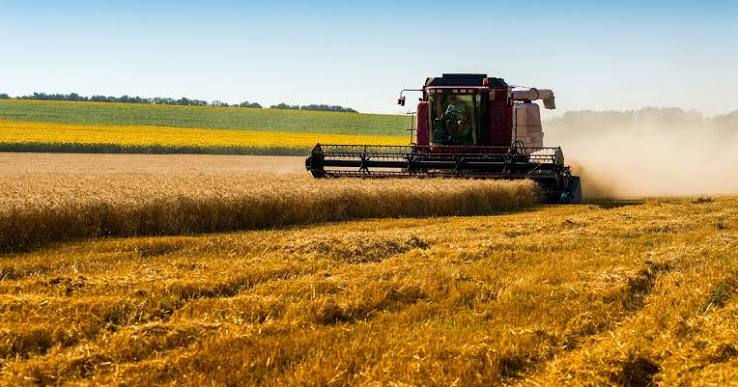
The Government’s Sub-Mission on Agricultural Mechanisation (SMAM), operational since 2014-15, continues to empower farmers by providing subsidies on agricultural machinery. The scheme supports:
- Individual farmers in purchasing machinery at subsidised rates.
- Custom Hiring Centres (CHCs) and Farm Machinery Banks (FMBs) that provide machines to small and marginal farmers on a rental basis.
- Women farmers, who receive special financial assistance for setting up CHCs.
The SMAM scheme also promotes the use of drones in agriculture. Financial assistance is extended to:
- CHCs run by Cooperative Societies, FPOs, and rural entrepreneurs up to 40% of drone cost (maximum ₹4 lakh).
- Agriculture graduates – up to 50% subsidy (maximum ₹5 lakh) to set up drone-based CHCs.
- Small, marginal, SC/ST, women, and North-Eastern farmers up to 50% subsidy for individual drone purchases (maximum ₹5 lakh); others get 40% subsidy (up to ₹4 lakh).
Addressing Climate Resilience and Sustainability
To tackle the challenges of climate change and water scarcity, DA&FW is also implementing:
- Per Drop More Crop (PDMC) promoting micro-irrigation systems like drip and sprinkler irrigation to improve water use efficiency.
- Rainfed Area Development (RAD) – encouraging Integrated Farming Systems (IFS) to enhance farm productivity and reduce risks associated with climate variability.
The Ministry is also addressing the issue of crop residue burning through a dedicated Crop Residue Management Scheme, which provides subsidies on machinery to states like Punjab, Haryana, Uttar Pradesh, Madhya Pradesh, and Delhi.


 By