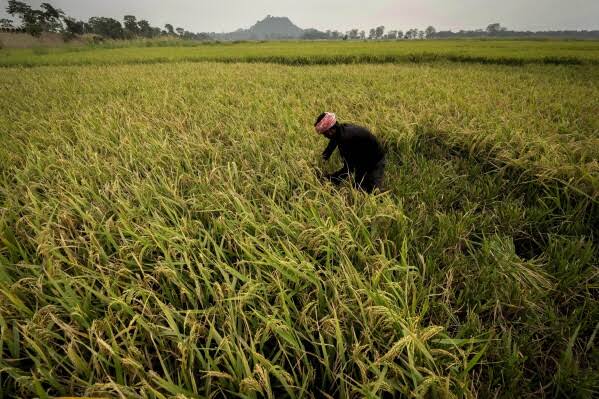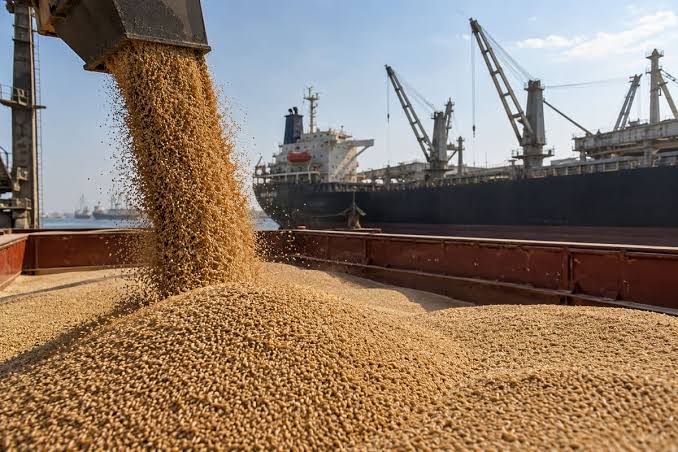
In a significant move to tackle the persistent issue of post-harvest losses in India, the Ministry of Food Processing Industries (MoFPI) has reinforced its commitment to strengthening agricultural value chains through targeted interventions. According to a comprehensive study commissioned by MoFPI in 2022 and conducted by NABARD Consultancy Services Pvt. Ltd. (NABCONS), India continues to face considerable post-harvest losses across a wide range of crops and commodities.
The study, covering 54 commodities across 15 agro-climatic zones and 292 districts, revealed critical gaps in infrastructure, technology, and skill development. Among the findings, post-harvest losses were estimated at up to 15.05% in fruits, 11.61% in vegetables, 7.51% in oilseeds, and up to 6.74% in pulses. Even perishable items such as milk, meat, poultry, and fisheries showed notable losses due to inefficient harvesting, handling, transportation, and storage.
Recognizing the urgent need to address these challenges, the Government has ramped up efforts through a range of schemes and initiatives aimed at minimizing losses and enhancing farmer income:
Key Schemes and Initiatives:
1. Mission for Integrated Development of Horticulture (MIDH):
This mission facilitates the development of post-harvest infrastructure like cold storages, ripening chambers, and pack houses, which are essential in reducing spoilage of fruits and vegetables.
2. Agriculture Infrastructure Fund (AIF):
Providing medium to long-term debt financing, AIF supports the creation of warehousing, cold chains, and primary processing units that play a critical role in curbing post-harvest deterioration.
3. Agricultural Marketing Infrastructure (AMI):
By promoting the development of storage and marketing infrastructure, this scheme aims to build resilient supply chains and reduce losses at the market level.
4. National Agriculture Market (e-NAM):
This digital platform enables better price discovery and efficient supply chains, cutting down transit losses through streamlined market access.
5. Farmer Producer Organisations (FPOs):
The government is actively working to form and promote 10,000 FPOs, helping small farmers with aggregation, processing, and direct market linkages, ultimately reducing wastage and improving returns.
Focus on Food Processing Sector:
In addition to these schemes, the Ministry of Food Processing Industries continues to implement the Pradhan Mantri Kisan Sampada Yojana (PMKSY) a central sector umbrella scheme launched in 2016-17. PMKSY supports the creation of robust post-harvest infrastructure and modern food processing facilities. The scheme not only aims to reduce post-harvest losses but also seeks to enhance value addition and promote growth in the food processing industry.
A Holistic Approach:
The combined impact of these measures is expected to significantly reduce post-harvest losses and improve food security while empowering farmers economically. By addressing the root causes of wastage lack of infrastructure, inadequate cold chain facilities, and market inefficiencies the government’s integrated approach is paving the way toward a more efficient and sustainable agricultural system.
With strategic planning and coordinated efforts, India is moving closer to achieving its goals of minimizing agri-produce losses and ensuring better income for farmers marking a crucial step in building a resilient agri-economy.


 By