

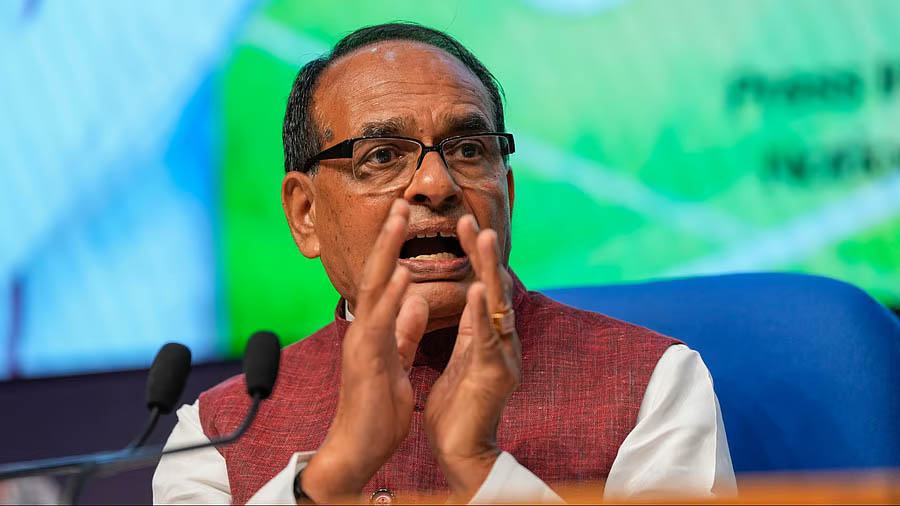
The Government of India has launched a nationwide crackdown on the sale of unapproved biostimulants in a decisive move to safeguard farmers from unverified and potentially harmful agricultural inputs. Union Agriculture Minister Shivraj Singh Chouhan, in a recent statement, strongly criticized the existing system for allowing companies to sell biostimulants without proper scientific validation. He questioned whether the Ministry of Agriculture and the Indian Council of Agricultural Research (ICAR) were truly working in the best interests of farmers or inadvertently enabling the unchecked marketing of unapproved products.
The crackdown follows a series of regulatory updates over the past year aimed at tightening control over the biostimulant market. In September 2022, biostimulants were formally included under Schedule VI of the Fertiliser (Control) Order, 1985. Since then, all manufacturers and importers have been required to register their products under the FCO by submitting scientific data on safety and efficacy. To support this transition, the government had earlier allowed provisional registration, giving companies time to submit complete data for evaluation.
However, with concerns mounting over the continued sale of unverified products, the agriculture ministry has now instructed all states to take immediate action. State governments have been directed to authorize only those products that meet regulatory standards, conduct field inspections, collect samples for lab testing, and take strict legal action against violators. Manufacturers found selling products without approval or with misleading claims may face fines and cancellation of licenses.
The new guidelines also call for the creation of a clear Standard Operating Procedure (SOP) for the evaluation and approval of biostimulants, to ensure transparency and uniformity across states. The government’s aim is to allow only scientifically backed products in the market, thereby improving crop productivity without compromising farmer safety or soil health.
Industry experts have welcomed the move, saying it will clean up the market and encourage research-based innovation. Farmers’ organizations, too, have praised the government’s efforts, noting that many farmers were being misled by aggressive marketing of ineffective products that often led to crop failure and financial losses.
This crackdown represents a major shift toward regulating the fast-growing biostimulant sector in India. By enforcing strict compliance and scientific scrutiny, the government hopes to build trust among farmers and ensure that the products reaching their fields are both safe and effective.


 By












