Fertilizers are the lifeblood of modern agriculture. They enrich the soil, fuel crop yields, and help feed a nation of over 1.4 billion people. But what happens when the very input that promises prosperity turns into a source of loss and despair?
In India, fake and substandard fertilizers have emerged as a silent threat that not only robs farmers of fair returns but also jeopardizes national food security. Recently, this issue came into sharp focus when India’s Union Minister for Agriculture and Farmers Welfare and Rural Development, Shivraj Singh Chouhan, sent out a clarion call to all state governments: take urgent and strict action against the menace of counterfeit and poor-quality fertilizers.
His letter to all Chief Ministers is more than a routine administrative reminder — it signals a much-needed policy push to clean up the farm input supply chain, restore farmers’ faith, and safeguard the backbone of India’s economy — agriculture.
Why Fertilizers Matter So Much
Before diving into the crackdown on fake fertilizers, it is vital to understand why fertilizers are so crucial to Indian agriculture.
Over half of India’s population is directly or indirectly linked to farming. Most Indian farmers work small plots of land — often under two hectares — and depend heavily on timely inputs to sustain their livelihoods. Fertilizers, especially urea, DAP (Diammonium Phosphate), MOP (Muriate of Potash), and other nutrients, play a pivotal role in ensuring high yields.
Unlike large industrial farms in the West, Indian agriculture is still heavily input-dependent. This makes the authenticity and quality of fertilizers non-negotiable. If a farmer uses substandard or counterfeit fertilizers, their entire season’s harvest can fail. This means lost income, unpaid debts, and cascading distress that affects entire rural communities.
The Fake Fertilizer Crisis: How Big Is The Problem?
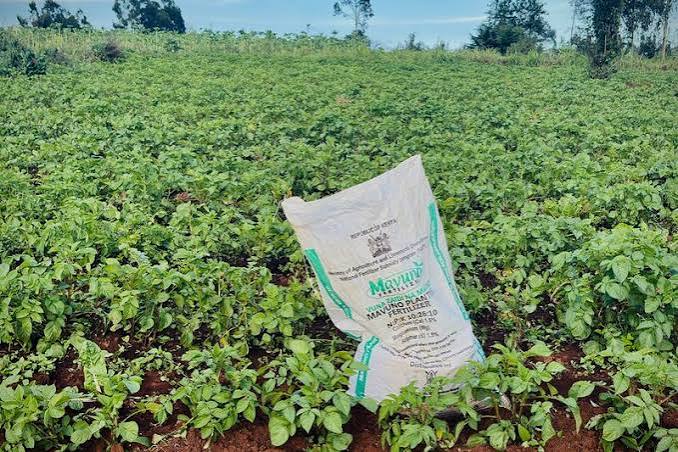
Fake or low-quality fertilizers often come disguised in packaging that looks exactly like trusted brands. These fraudulent products may contain very little of the promised nutrients — or worse, may have harmful substances that degrade soil health.
According to various state-level raids and seizures over the years, unscrupulous traders often refill used branded bags with spurious material. Rural farmers, often lacking access to lab testing or awareness, buy these at slightly lower prices — thinking they’re saving money but ending up with poor crops.
Apart from direct loss, fake fertilizers have long-term consequences:
- Soil Degradation: Poor quality or counterfeit fertilizers may contain fillers that disrupt soil balance.
- Yield Loss: Farmers lose up to a full season’s worth of income.
- Debt Traps: Lower yields mean farmers can’t repay loans.
- Consumer Risk: Poor harvests can lead to price spikes, affecting urban consumers too.
- Erosion of Trust: Honest fertilizer manufacturers and retailers suffer when bad actors flood the market with cheap fakes.
Shivraj Singh Chouhan’s Directive: A Strong Step Forward
In a strongly worded letter, Minister Shivraj Singh Chouhan urged all states and Union Territories to treat the fake fertilizer problem with the urgency it deserves. His note underlined several key actions:
- Strict Monitoring and Enforcement: States must keep a hawk’s eye on illegal manufacturing, hoarding, black-marketing, and fake labeling of fertilizers.
- Legal Action: The sale of fake fertilizers is illegal under the Fertilizer Control Order, 1985, which is enforced through the Essential Commodities Act, 1955. The Minister’s directive makes it clear — offenders must face swift legal consequences, including license cancellation, FIR registration, and prosecution.
- Sampling and Quality Checks: States must strengthen their sample collection and lab testing infrastructure to check fertilizer quality regularly.
- Ending Forced Tagging: Another problem flagged by the Minister is the practice of forcibly selling nano-fertilizers or bio-stimulants tagged along with conventional fertilizers. This misleading bundling cheats farmers and must stop.
- Farmer Awareness: States have been asked to conduct awareness campaigns to educate farmers on identifying genuine vs fake fertilizers. Farmers’ vigilance can act as the first line of defense.
- Feedback Mechanisms: Chouhan has recommended that states build robust feedback and complaint redressal systems so that farmers can report suspicious products or sellers quickly.
Why Now? The Bigger Context
This crackdown comes at a crucial time. India is pushing hard for self-reliance in agriculture, not only in food grains but also in inputs. Fertilizers are heavily subsidized in India. Each year, the government spends billions of rupees to keep fertilizer prices affordable for farmers. When fake fertilizers infiltrate the supply chain, this massive subsidy — drawn from taxpayers — goes to waste.
Worse, poor harvests threaten India’s ambitious targets to remain food secure despite climate challenges and population growth.
The Fertilizer Subsidy: Too Big to Waste
India’s fertilizer subsidy is one of the biggest items in the national budget — over ₹2 lakh crore in recent years. Subsidies make fertilizers like urea extremely affordable for farmers. But this system can also be abused.
Subsidized fertilizers may get illegally diverted to non-agricultural uses — like brick kilns or even smuggled across borders. Fake products often mimic this cheap supply chain, confusing farmers. The only losers? Smallholders who trust the open market.
States Have a Big Role to Play
Agriculture is a state subject under India’s Constitution, meaning states are largely responsible for enforcement on the ground. While the Centre makes policies, states must:
- Conduct raids
- Check licenses
- Inspect godowns and retail shops
- Penalize defaulters
Without strict local vigilance, fake fertilizer rackets thrive — especially in remote areas where farmers have few choices.
The Human Cost: A Farmer’s Perspective
For a farmer, the effects of fake fertilizers are devastating. Imagine borrowing money to buy seeds, renting tractors, and working the fields under harsh weather — only to watch your crop fail because the soil got no nutrients.
The heartbreak of a ruined harvest pushes farmers into a cycle of debt. Stories of farmer suicides often begin with such input failures. Therefore, tackling counterfeit farm inputs is as much about mental health and social stability as it is about economics.
Empowering Farmers to Identify Genuine Fertilizers
While government inspections are crucial, building farmer awareness is equally vital. Many farmers don’t know how to read barcodes or batch numbers. They rely on local retailers whose honesty may vary.
Key steps to empower farmers include:
- Workshops: Training sessions in villages on how to check packaging, verify supplier licenses, and look for signs of tampering.
- Helplines: Toll-free numbers for farmers to check authenticity or report suspicious dealers.
- Smartphone Apps: Some states are piloting mobile apps that let farmers verify fertilizer batch numbers instantly.
- Farmer Producer Organizations (FPOs): Strengthening FPOs so farmers buy collectively from trusted suppliers.
Combating Adulteration: Modern Tech to the Rescue
Technology can play a game-changing role:
- QR Codes: Embedding scannable QR codes on every fertilizer bag, linking to real-time databases.
- Blockchain: Pilots in some states are testing blockchain to track fertilizers from factory to farm.
- Drones and GIS: To monitor usage patterns and detect possible diversion of subsidized stock.
When states and companies adopt such tools, the supply chain becomes transparent and tamper-proof.
The Economic Ripple Effect
Cleaning up the fertilizer supply chain has a direct positive impact:
- Farmers get better yields and higher incomes.
- Honest retailers and manufacturers get rewarded with trust and sales.
- The government’s massive subsidy spends deliver real returns.
- India moves closer to self-sufficiency in food grains and pulses.
Long-Term Impact on Soil and Environment
There’s another angle that often gets overlooked — soil health. Fake or low-grade fertilizers can upset soil chemistry, harming its fertility in the long run. This pushes farmers to use even more fertilizers to maintain yields, creating a vicious cycle.
By ensuring only high-quality, scientifically approved fertilizers reach farms, soil health can be preserved — a big win for sustainable farming.
Political Will: A Welcome Change
Minister Shivraj Singh Chouhan’s intervention comes at a time when farmers are demanding accountability and transparency. His appeal to Chief Ministers cuts across party lines. Agriculture is not a political battleground; it is the backbone of India’s food security. When states and the Centre work in tandem, farmers are the ultimate beneficiaries.
The Road Ahead: From Policy to Practice
Good intentions need strong implementation. For India to win the war on fake fertilizers:
- States must run sustained drives, not one-off raids.
- Licensing norms should be tightened.
- Testing labs must get modern equipment and manpower.
- Punishment for repeat offenders must be swift and exemplary.
- Farmers’ voices must be amplified so they can hold local officials accountable.
A Shared Responsibility
The fight against counterfeit fertilizers is not the government’s job alone. Manufacturers must ensure secure packaging. Distributors must stick to ethical practices. Retailers must reject shady deals for short-term profit. And farmers must stay vigilant.
When each link in the chain stands strong, India’s farmers — the people who feed the nation — get the support they deserve.
Conclusion: Towards a Fertile, Fair Future
India’s journey from food scarcity to food security is one of its greatest success stories. But this success depends on millions of small, honest decisions — from the factory to the fertilizer shop to the farm gate.
Minister Shivraj Singh Chouhan’s letter is a powerful reminder that our farmers cannot be left alone in this fight. By rooting out fake and substandard fertilizers, India takes another big step toward doubling farmers’ incomes, strengthening rural livelihoods, and ensuring that every grain grown is the result of genuine, reliable, and quality inputs.
In this vision, the real harvest is not just bigger crops — but the trust and prosperity of those who make India’s fields green.


 By