

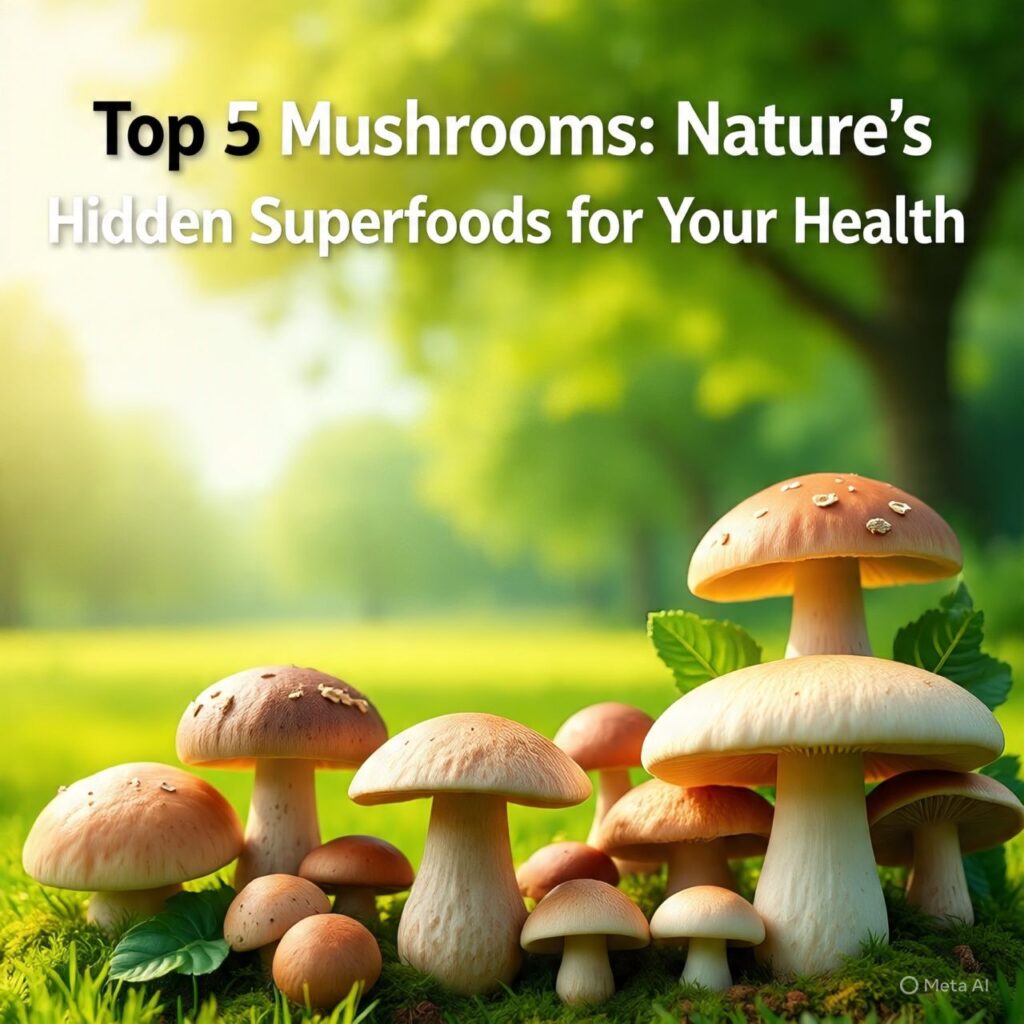
In recent years, there has been a growing shift in how people view their food choices. Health-conscious individuals are now prioritising natural, nutrient-dense ingredients that not only please the palate but also nourish the body deeply. Among the rising superfoods making their way into everyday diets is an ancient yet underrated gift from nature — the humble mushroom.
Once limited to forests and a few elite culinary circles, mushrooms are now finding space on the plates of urban households, fitness enthusiasts, vegetarians, vegans, and even meat-eaters. They are often referred to as the ‘meat of the vegetable kingdom’ due to their dense nutritional profile and savoury taste.
India, with its diverse climates and landscapes, is home to several edible mushroom varieties. These fungi are not just culinary delicacies — they are powerhouses of vitamins, minerals, antioxidants, and even medicinal compounds. From boosting immunity to supporting heart health and aiding digestion, mushrooms deliver benefits that justify their growing popularity.
So, which mushrooms should you add to your diet? Let’s explore five of India’s most loved and beneficial mushrooms, how they taste, where they grow, and why they’re worth a place in your kitchen and on your plate.
1. White Button Mushroom: The Everyday Superfood
The White Button Mushroom (Agaricus bisporus) is by far the most popular and commonly consumed mushroom in India — and globally too. Walk into any supermarket or vegetable market and you’re sure to find these cute dome-shaped mushrooms packed neatly in trays.
Despite its commonness, the white button mushroom is a nutritional powerhouse. It’s remarkably low in calories and natural sugars, making it ideal for those on weight-loss or sugar-control diets. At the same time, it provides good amounts of protein and dietary fibre, which are vital for muscle repair and digestive health.
One of its most important benefits is its rich vitamin D content. In a country where vitamin D deficiency is alarmingly widespread due to indoor lifestyles, including white button mushrooms in your meals can help bridge the gap. This vitamin is crucial for calcium absorption, thus strengthening bones and teeth.
These mushrooms are also packed with antioxidants that combat free radicals in the body, protecting cells from damage and supporting youthful skin. Their subtle flavour and firm texture make them perfect for salads, curries, stir-fries, and even pizzas.
Quick Tip: Sauté them lightly with garlic and herbs to enhance their earthy taste.
2. Oyster Mushroom: The Cholesterol Fighter
Next on our list is the beloved Oyster Mushroom (Pleurotus ostreatus). This mushroom is instantly recognisable by its fan or oyster-shaped caps and delicate gills. It thrives on decaying wood and is one of the easiest edible mushrooms to cultivate, making it a favourite among mushroom farmers in India.
Oyster mushrooms have a soft, velvety texture and a mild, slightly sweet flavour that blends effortlessly into a variety of dishes. Nutritionally, they are prized for their high protein content and the presence of vitamin B6, thiamine, niacin, and minerals like potassium.
One of the standout features of oyster mushrooms is their ability to naturally lower cholesterol levels. Studies have shown that compounds found in these mushrooms can help reduce LDL (bad) cholesterol while maintaining healthy HDL (good) cholesterol, promoting better heart health.
They are also very low in fat and calories, making them an excellent choice for those managing weight. The presence of antioxidants and antibacterial properties further enhances their value as an immune-boosting food.
Cooking Tip: Add them to soups, noodles, or sauté with minimal oil — their delicate taste pairs beautifully with Asian-inspired dishes.
3. Shimeji Mushroom: The Digestive Aid
A lesser-known but increasingly popular mushroom in India is the Shimeji Mushroom (Hypsizygus tessellatus), traditionally cherished in Japanese cuisine. Shimeji mushrooms naturally grow on dead or decaying trees, thriving in cool, damp forests.
When raw, they have a slightly bitter taste, but once cooked, their flavour transforms — becoming pleasantly nutty and mildly sweet with a crunchy texture that stands up well in stir-fries and soups.
What makes Shimeji mushrooms particularly valuable is their high protein content and abundance of zinc and B vitamins. These nutrients play a vital role in improving digestion, strengthening the immune system, and maintaining healthy skin and hair.
The low sodium and cholesterol content also make Shimeji mushrooms a heart-friendly food. They are easy to digest and aid the gut microbiome, promoting better nutrient absorption.
Kitchen Idea: Add them to miso soup, stir-fry them with colourful veggies, or use them as a topping for ramen.
4. Enoki Mushroom: The Winter Wellness Booster
The Enoki Mushroom (Flammulina velutipes), also known as the Winter Mushroom, is a true visual delight — thin, long white stems crowned with petite white caps. Common in East Asian cuisine, Enoki mushrooms are now cultivated in India and are becoming popular among health-conscious urban consumers.
They have a mild, almost fruity taste with a crisp bite, making them delicious raw or lightly cooked. Nutritionally, Enoki mushrooms are rich in vitamin B3 (niacin), B5 (pantothenic acid), B2 (riboflavin), iron, calcium, selenium, and phosphorus.
These nutrients collectively aid red blood cell production, strengthen bones, and enhance overall immunity. Enoki mushrooms are especially popular during winter as they help build resistance against seasonal infections.
Their high antioxidant content supports clear, healthy skin and may also play a role in slowing age-related cell damage.
How to Enjoy: Use Enoki mushrooms raw in salads, add to soups for crunch, or toss them into hotpots and noodles.
5. Paddy Straw Mushroom: India’s Traditional Favourite
When it comes to ease of cultivation and adaptability to local climates, the Paddy Straw Mushroom (Volvariella volvacea) stands out. It’s been grown in India for nearly 80 years and is especially popular in rural areas where paddy straw is readily available.
This mushroom grows well in warm climates and is a great choice for small farmers as it requires minimal investment and effort. Its taste rivals that of the white button mushroom — mild, slightly sweet, and earthy.
Nutritionally, Paddy Straw Mushrooms are packed with protein, fibre, iron, vitamin B-complex, and vitamin C. They are considered ‘cooling’ in nature, making them ideal for consumption during India’s hot summer months.
These mushrooms are known for supporting healthy digestion and naturally reducing bad cholesterol levels. Interestingly, they contain compounds that mimic the action of natural insulin, making them a smart choice for those managing diabetes.
Fun Fact: In rural households, these mushrooms are often added to spicy curries and rice dishes, adding flavour and nutrition.
Why Should You Eat More Mushrooms?
Beyond the individual health benefits of these five mushrooms, adding mushrooms in general to your diet brings multiple holistic advantages:
- Low in Calories, High in Nutrients: Mushrooms provide essential nutrients without adding excess calories, ideal for weight watchers.
- Natural Immunity Boosters: Many edible mushrooms contain beta-glucans and antioxidants that enhance the body’s defence system.
- Plant-Based Protein: For vegetarians and vegans, mushrooms are a good source of protein and amino acids.
- Gut Health Support: Their fibre content promotes good digestion and gut health.
- Sustainable and Eco-Friendly: Mushrooms are one of the most sustainable crops to grow, requiring minimal land and water.
Tips to Add Mushrooms to Your Diet
- Fresh or Dried: Use them fresh in stir-fries, curries, and salads, or try dried mushrooms for soups and broths.
- Grow at Home: Many varieties like oyster mushrooms can be grown at home in a small space.
- Pairing Flavours: Mushrooms absorb spices and herbs well — experiment with garlic, ginger, soy sauce, and green chillies.
- Mix and Match: Combine two or more types for a richer flavour and a wider nutritional profile.
The Road Ahead for Mushroom Farming in India
India’s mushroom cultivation sector is still developing but holds tremendous promise for small farmers and agri-entrepreneurs. With rising awareness about health benefits and demand for chemical-free produce, more people are exploring mushroom farming as a viable business.
Initiatives by agricultural universities, training workshops, and government schemes are also helping farmers adopt sustainable mushroom cultivation practices, creating rural jobs and boosting incomes.
In Conclusion: Mushrooms — Nature’s Tiny Miracle
Mushrooms are not just a tasty addition to your plate — they’re a symbol of the smart, sustainable eating that today’s world needs. From the everyday white button mushroom to the exotic Enoki and Shimeji, India’s diverse edible mushrooms offer a delicious way to stay fit, fight lifestyle diseases, and enjoy wholesome food naturally.
So, next time you plan your grocery list, make sure mushrooms are on it. Your body — and your taste buds — will thank you.


 By












