International regulators have released updated guidelines for cadmium levels in agricultural soils, marking a significant step toward strengthening global food safety and environmental protection. The revised standards respond to growing concerns about heavy metal contamination in farmlands, crop systems, and surrounding ecosystems.
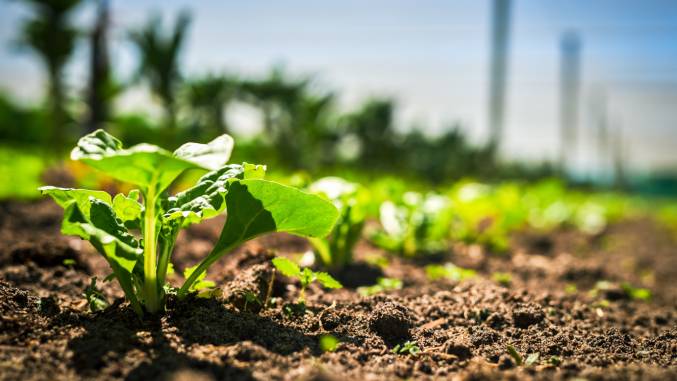
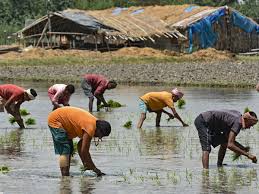
Cadmium—classified as a toxic heavy metal—is frequently introduced into soils through industrial emissions, phosphate fertilizers, wastewater irrigation, and mining activities. Over time, it can accumulate in crops such as rice, wheat, leafy vegetables, and tubers, posing long-term risks to human and animal health. The new guidelines aim to curb this exposure by establishing clearer thresholds, monitoring frameworks, and mitigation strategies for agricultural landscapes.
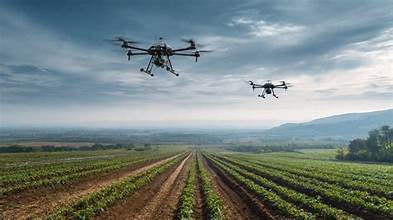
Regulatory agencies emphasized that the updated cadmium limits are based on the latest scientific assessments of soil behavior, crop uptake patterns, and health risk evaluations. The guidelines introduce more stringent permissible concentrations for high-risk regions and provide detailed recommendations for soil testing frequency, sampling procedures, and reporting requirements. They also encourage nations to adopt early-warning systems to identify contamination hotspots and initiate timely remediation.
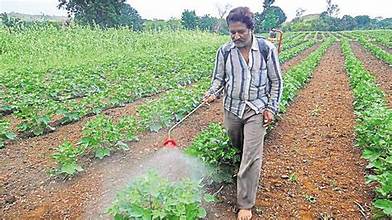
In addition to soil thresholds, the revised framework highlights best management practices for farmers, including the use of low-cadmium fertilizers, pH management to reduce metal mobility, and crop variety selection that minimizes cadmium uptake. The guidelines encourage governments and agribusinesses to promote sustainable input use and adopt precision nutrient management to limit unintended contamination.
Environmental scientists noted that the strengthened standards reflect growing global momentum toward safer food systems and healthier ecosystems. As climate change, industrial expansion, and intensive farming continue to reshape soil quality, proactive monitoring of heavy metals has become increasingly important.
The updated cadmium guidelines are expected to support countries in tightening national regulations, improving agricultural risk management, and ensuring better protection for consumers, farmers, and ecosystems. Experts say these efforts will reinforce global confidence in food safety while promoting more sustainable and resilient agricultural production systems.

 By
By