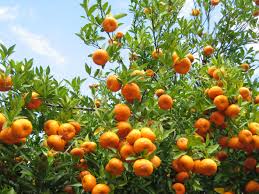
Citrus production worldwide faces increasing pressure from biotic and abiotic stresses, with Huanglongbing (HLB) remaining one of the most destructive diseases threatening orchards. Traditional breeding approaches have struggled to deliver timely solutions due to citrus crops’ long juvenile phase and genetic complexity. In this context, gene-editing technologies—particularly transgene-free approaches—are emerging as a promising alternative for developing disease-resistant citrus varieties.
Researchers have now reported a significant breakthrough in improving the efficiency of transgene-free genome editing in citrus plants. Using citrus as a model system, the study demonstrates that Agrobacterium-mediated transient expression of CRISPR-Cas9 components, combined with short-term chemical selection, can dramatically increase editing success rates.
The research team developed an optimized protocol involving the transient treatment of both Agrobacterium cells and citrus explants, followed by a brief, three-day kanamycin selection period. This short-term selection suppressed shoot regeneration from non-infected cells while favoring regeneration from Agrobacterium-infected tissues. As a result, the efficiency of identifying genome-edited, transgene-free shoots increased substantially.
According to the study, the optimized method led to a 17-fold improvement in transgene-free editing efficiency. When targeting the phytoene desaturase (PDS) gene—a commonly used marker gene in plant genome-editing experiments—the recovery rate of transgene-free mutant shoots rose from just 0.017 percent to 0.291 percent of total regenerated shoots.
The researchers observed that transient kanamycin selection not only reduced background regeneration from non-infected cells but also improved overall shoot regeneration efficiency from Agrobacterium-infected tissues, regardless of whether stable T-DNA integration occurred. This improvement is attributed to reduced competition for space and nutrients during shoot development.
With the combination of higher editing efficiency and a more reliable screening process, the production of transgene-free gene-edited citrus plants becomes more practical for research and potential commercial applications. Importantly, the absence of stable foreign DNA integration may help address regulatory and public acceptance concerns associated with genetically modified crops.
The study’s authors suggest that this approach could be extended beyond citrus to other perennial and woody crops that face similar challenges in genome editing and regeneration. If widely adopted, the method could accelerate the development of improved crop varieties with enhanced disease resistance, stress tolerance, and productivity.
The findings were published in Horticulture Research in September 2025, highlighting a valuable advancement in plant biotechnology with potential implications for sustainable agriculture and global food security.

 By
By