A new study has revealed increasing consolidation within the phosphate fertilizer industry, signaling a shift toward a more concentrated market structure that could influence how phosphorus—a vital nutrient for crop growth—is supplied to global agriculture in the years ahead. As mergers, acquisitions, and strategic alliances reshape the sector, analysts warn that reduced competition may have implications for pricing, availability, and long-term food security.
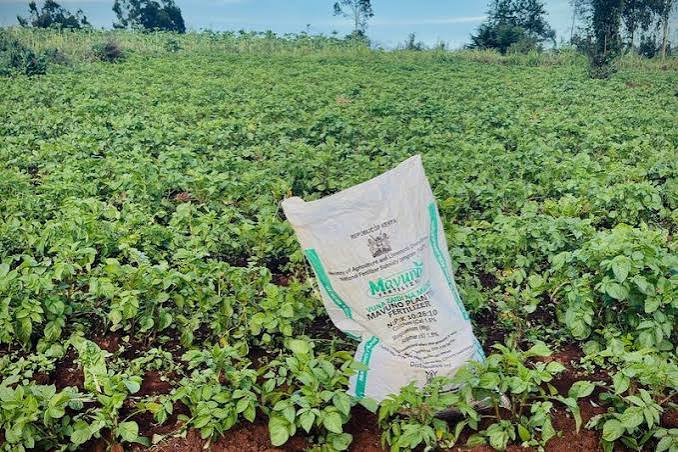
Phosphorus is one of the three essential macronutrients required for plant development, playing a key role in root formation, energy transfer, and overall crop productivity. Unlike nitrogen, which can be synthesized industrially, phosphorus is mined from finite phosphate rock deposits. This makes the structure of the phosphate industry particularly critical, as a handful of countries and companies control much of the world’s extractable reserves.
According to the study, consolidation has accelerated over the past decade as major producers seek to expand reserves, lower costs, and improve supply chain efficiencies. Large firms operating in regions such as North Africa, the Middle East, China, and North America have strengthened their market positions through joint ventures and acquisitions. As a result, a small number of companies now dominate global phosphate production, processing, and export.
Industry experts note that this tightening of market control may yield certain benefits, including more efficient mining operations, better investment in infrastructure, and improved technological innovation. Consolidated firms often have greater financial capacity to modernize facilities, adopt cleaner extraction methods, and meet environmental standards—developments that could make phosphate production more sustainable over time.
However, the study also highlights potential risks. With fewer players controlling a larger share of supply, importing countries—especially those in South Asia, Latin America, and Sub-Saharan Africa—may face increased vulnerability to price fluctuations and supply disruptions. Geopolitical tensions, export restrictions, or production shortfalls in any major producing region could have amplified effects on global markets. Analysts also caution that greater market concentration could reduce competitive pressure, potentially impacting pricing transparency and affordability for farmers worldwide.
The findings come at a time when global food systems are under intense pressure from rising demand, climate change, and soil nutrient depletion. Ensuring steady access to phosphorus remains crucial for sustaining crop yields and supporting food security, particularly in countries with limited domestic fertilizer production capacity.
As consolidation continues, policymakers, industry leaders, and agricultural researchers are calling for more resilient supply strategies, including diversified sourcing, regional fertilizer manufacturing, and improved nutrient-use efficiency on farms. These measures, they argue, will be essential to ensuring that global agriculture remains adequately supplied with phosphorus in a more concentrated market environment.


 By
By