South Africa is on track to achieve record corn (maize) exports during the 2026 marketing season after harvesting one of its largest maize crops in history. Strong production, supported by favorable weather conditions and improved farming practices, has created a substantial export surplus, positioning the country as a key supplier in the global grain market.
According to agricultural analysts, the bumper harvest has exceeded domestic consumption requirements, leaving significant quantities of maize available for export. This development comes at a time when global buyers are seeking reliable grain suppliers amid changing weather patterns, supply chain disruptions, and fluctuating production in several major exporting nations.
One of the most notable developments this season is the return of major Asian importers to the South African maize market. Countries across Asia are increasing purchases to meet growing demand from the food, livestock feed, and industrial processing sectors. Their renewed interest has strengthened South Africa’s presence in international grain trade and opened fresh opportunities for exporters.
White and yellow maize, the country’s two primary corn varieties, are expected to witness strong overseas demand. While white maize is largely consumed as a staple food in many African countries, yellow maize is widely used in animal feed and food processing industries, making it attractive to buyers in Asia and other international markets.
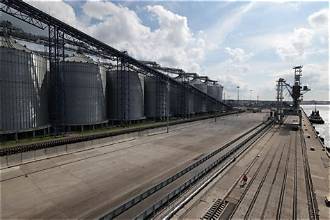
Industry experts believe South Africa’s competitive pricing, consistent grain quality, and efficient export infrastructure have enhanced its position against other global maize exporters. Ports are expected to handle higher grain shipments over the coming months as exporters fulfill contracts with buyers across Asia, the Middle East, and neighboring African countries.
The record harvest is also expected to provide significant economic benefits. Higher export volumes could generate increased foreign exchange earnings, improve farm profitability, and strengthen the country’s agricultural sector. Grain producers are optimistic that strong international demand will help maintain stable prices despite the large domestic supply.
Agricultural economists note that the favorable production season was driven by well-distributed rainfall, improved seed technology, and effective crop management practices. These factors enabled farmers to achieve higher yields across major maize-producing regions, contributing to the historic harvest.
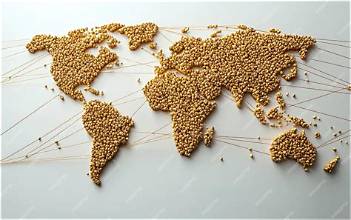
Global grain markets are closely monitoring South Africa’s export performance, particularly as weather-related uncertainties continue to affect crop production in several parts of the world. With international buyers looking to diversify sourcing destinations, South Africa has emerged as a dependable supplier capable of meeting large-scale demand.
The country’s growing role in global maize trade is also expected to strengthen trade relationships with importing nations and encourage further investments in agricultural infrastructure, logistics, and storage facilities. Increased export activity may create new employment opportunities across the grain value chain, including transportation, warehousing, and port operations.
Looking ahead, market participants remain optimistic that sustained international demand and efficient export operations will enable South Africa to capitalize fully on its record crop. If global market conditions remain favorable, the country could establish itself as one of the leading maize exporters during the current marketing year.
With a historic harvest, expanding export opportunities, and renewed interest from Asian buyers, South Africa is well-positioned to reinforce its status as a major player in the global grain trade while delivering economic gains for its farming community and agricultural economy.

 By
By