The U.S. beef industry is facing increasing challenges in global markets as domestic processing plant closures and intensifying international competition disrupt export stability. These structural and market-driven pressures are reshaping trade dynamics and raising concerns across the cattle and beef supply chain.
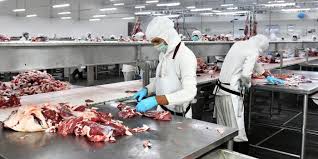
In recent years, several meat processing facilities in the United States have reduced operations or shut down entirely, driven by factors such as high operating costs, labor shortages, and shifting demand patterns. The resulting decline in processing capacity has constrained beef output, making it more difficult for exporters to meet volume commitments in key international markets.
At the same time, global competition has intensified. Major beef-exporting countries, including Brazil, Australia, and Argentina, have expanded their market presence by offering competitively priced products and strengthening trade relationships with major importing nations. This has placed U.S. exporters under pressure to maintain market share while navigating higher production and logistics costs.
Export uncertainty is further compounded by fluctuating global demand and evolving trade policies. Importing countries are increasingly focused on price sensitivity, supply consistency, and sustainability standards. Any disruption in supply, such as delays caused by plant closures, can weaken buyer confidence and lead importers to seek alternative suppliers.
For U.S. cattle producers, these challenges translate into tighter margins and market volatility. Reduced processing capacity can create bottlenecks, affecting cattle prices and increasing the time animals spend in feedlots. While domestic demand for beef remains relatively strong, export markets play a critical role in supporting overall industry profitability, particularly for higher-value cuts.
Industry stakeholders emphasize the need for strategic investment to improve resilience. Expanding processing efficiency, strengthening labor availability, and pursuing diversified export markets are seen as key priorities. Additionally, trade promotion efforts and infrastructure upgrades could help U.S. beef remain competitive in an increasingly crowded global marketplace.
Despite current headwinds, the U.S. beef industry continues to benefit from a reputation for quality and food safety. Maintaining that advantage, however, will depend on addressing capacity constraints and adapting to evolving global trade conditions. As plant closures and competition persist, the path forward will require coordinated action across producers, processors, and policymakers.

 By
By