

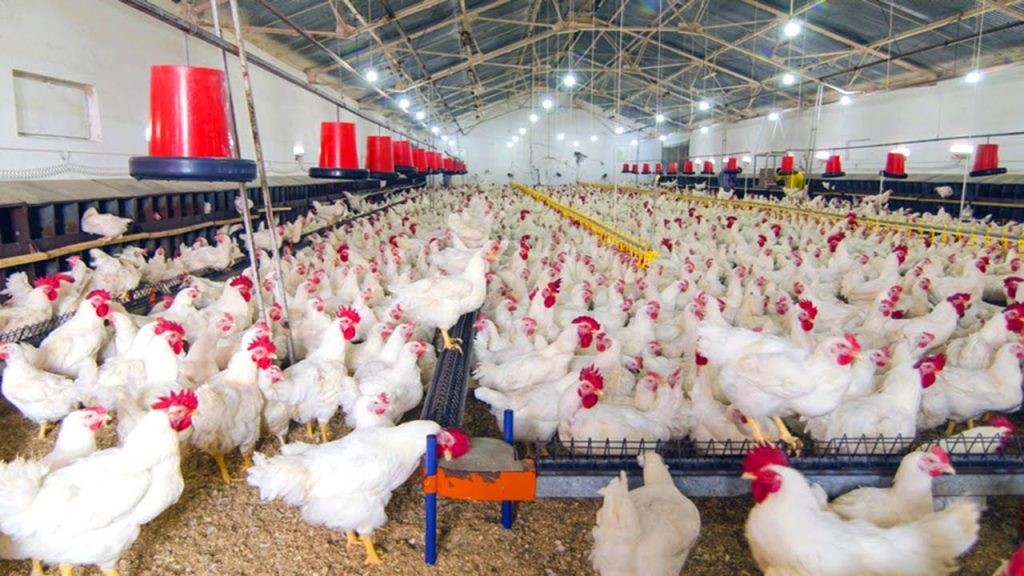
U.S. Poultry Producers Gain Market Access in Namibia, Opening New Trade Opportunities
In a positive development for American poultry producers, the United States has officially gained approval to export poultry products to Namibia. This move marks a significant expansion in agricultural trade relations between the two nations and is expected to open up a fresh export market valued at an estimated $15 million annually.
After years of negotiations and regulatory reviews, Namibian authorities have agreed to allow the import of U.S. poultry including fresh, frozen, and processed products — under newly harmonized trade protocols. This decision is expected to bring relief to American exporters, especially those looking to diversify beyond traditional markets like China and Mexico.
The U.S. Department of Agriculture (USDA) confirmed that Namibia’s approval follows a detailed evaluation of American food safety and inspection standards, which have been recognized as reliable and consistent. With this green light, American poultry can now enter Namibian ports without the delays and complications of special export and transit permits that had previously restricted trade.
For U.S. farmers and processors, particularly those in the Southeast and Midwest, the opening of this new African market presents a timely opportunity amid global market fluctuations. Industry experts say that demand for high-quality protein in Africa is rising, and Namibia, with its growing middle class and expanding retail sector, offers strong potential for long-term poultry trade.
The USA Poultry & Egg Export Council (USAPEEC) welcomed the announcement, calling it a “meaningful win” for the American poultry industry. President and CEO Greg Tyler noted that the decision validates years of effort to promote U.S. poultry globally, and demonstrates trust in the country’s production and inspection systems.
U.S. Agriculture Secretary Brooke Rollins also praised the development, describing it as a victory for American farmers and the broader goal of expanding access to free and fair markets. She emphasized that opening up new export destinations remains a top priority for the USDA, especially as it works to strengthen international trade partnerships.
The Namibia deal is part of a wider push by the U.S. to build stronger agri-trade ties across Africa. Officials are hopeful that this successful agreement could pave the way for similar deals with other African nations, where food imports are rising and consumer preferences are shifting toward reliable, high-standard suppliers.
As poultry shipments begin to move toward Namibia in the coming weeks, both governments have expressed optimism that this partnership will lead to greater trade volume and mutual economic benefit. For now, U.S. exporters are preparing to meet the demand and explore this promising new market.


 By












