

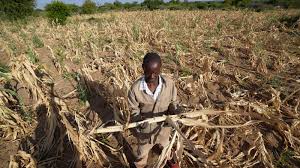
Farmers across the United States are grappling with one of the most severe droughts in recent years, as prolonged heatwaves and water shortages take a heavy toll on agriculture. Large parts of key farming regions—including the Midwest and the Great Plains—are experiencing critically low soil moisture levels, leading to significant stress on crops and livestock.
According to assessments by the United States Department of Agriculture, major crops such as corn, soybeans, and wheat are already showing signs of yield decline. Extended dry spells during crucial growth stages have reduced plant development, while high temperatures have accelerated evaporation, worsening water scarcity. Irrigated farms are also under pressure, as reservoirs and groundwater supplies continue to shrink.
The livestock sector is facing equally serious challenges. Ranchers are being forced to reduce herd sizes due to a lack of pasture and rising feed costs. With grazing lands drying up, many producers are turning to expensive supplemental feed, squeezing already tight profit margins. In some regions, cattle numbers have dropped noticeably as farmers sell animals early to avoid further losses.
The drought is also having a ripple effect on food prices. Lower agricultural output, combined with higher production costs, is pushing up prices for grains, meat, and dairy products. Analysts warn that consumers could face sustained food inflation if weather conditions do not improve in the coming months.
Climate scientists increasingly point to Climate Change as a major driver behind the growing frequency and intensity of such extreme weather events. Rising global temperatures are altering rainfall patterns, increasing the likelihood of prolonged droughts and heatwaves, particularly in already vulnerable agricultural zones.
Beyond immediate production losses, the long-term implications are also concerning. Repeated drought cycles can degrade soil health, reduce groundwater reserves, and weaken the resilience of farming systems. This creates a cycle where each successive drought becomes harder to manage, putting additional strain on both farmers and the broader food system.
In response, policymakers and agricultural experts are calling for urgent adaptation measures. These include expanding drought-resistant crop varieties, improving water-use efficiency through advanced irrigation technologies, and strengthening crop insurance programs to support affected farmers. There is also growing emphasis on climate-smart agriculture practices aimed at building resilience against future shocks.
Despite the challenges, many farmers are adapting by diversifying crops, adjusting planting schedules, and investing in technology. However, experts caution that without sustained policy support and favorable weather conditions, recovery could take time.
In conclusion, the ongoing drought in the United States underscores the vulnerability of modern agriculture to climate extremes. With crops damaged, livestock numbers falling, and food prices rising, the situation highlights the urgent need for long-term strategies to safeguard food production in an increasingly unpredictable climate.


 By
By











