

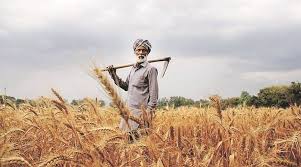
India’s wheat production is expected to remain stable for the 2025–26 marketing season, despite facing adverse weather conditions such as hailstorms and unseasonal rainfall in key growing regions. According to estimates released by the Government of India, the country’s overall output is likely to hold steady, providing reassurance for domestic food security and market stability.
Wheat, one of India’s most important staple crops, is cultivated extensively across northern states including Punjab, Haryana, Uttar Pradesh, and Madhya Pradesh. This year, farmers encountered erratic weather during critical crop stages, particularly around harvesting. Sudden बारिश and hail events raised concerns about potential damage to standing crops and grain quality. However, initial assessments suggest that the overall impact has been limited and largely localized.
Agricultural experts attribute this resilience to improved farming practices, better seed varieties, and increased mechanization. Over the past few years, farmers have increasingly adopted climate-resilient wheat varieties that can withstand temperature fluctuations and minor weather shocks. In addition, timely advisories and support from agricultural departments helped farmers take preventive measures, reducing large-scale losses.
The role of the Indian Meteorological Department has also been crucial. Early warnings about changing weather patterns allowed farmers to adjust harvesting schedules and protect their produce, minimizing damage from unexpected rainfall. This coordination between meteorological services and the agricultural sector has strengthened India’s capacity to manage climate-related risks.
Stable wheat production is particularly important for India at a time when global grain markets are facing volatility. With disruptions in international supply chains and weather-related uncertainties in other major producing countries, India’s steady output could help maintain domestic price stability and ensure adequate buffer stocks.
Government procurement is expected to play a key role in supporting farmers and maintaining supply balance. Agencies are actively purchasing wheat at minimum support prices (MSP), ensuring that farmers receive fair compensation while also strengthening public food distribution systems. This approach is vital for sustaining both farmer incomes and national food security programs.
However, challenges remain. Experts caution that while this season’s output appears stable, the increasing frequency of extreme weather events poses long-term risks to wheat production. Rising temperatures, especially during the grain-filling stage, can significantly impact yields if not managed effectively. Therefore, continued investment in research, irrigation infrastructure, and climate-smart agriculture will be essential.
In conclusion, despite facing weather-related disruptions, India’s wheat sector has demonstrated resilience in the 2025–26 season. Stable production not only supports millions of farmers but also reinforces the country’s position as a key player in global food security. Going forward, sustained focus on adaptation and innovation will be critical to maintaining this stability in an increasingly unpredictable climate.


 By
By











