

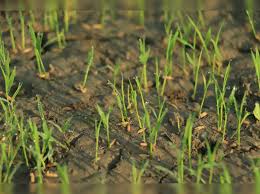
A new report by the United Nations has raised serious concerns about the growing impact of extreme heat on global food systems, warning that rising temperatures are increasingly disrupting agriculture, livestock, and fisheries. The report highlights that more than one billion people—many of them dependent on farming and allied sectors—now face heightened risks to their livelihoods.
According to the findings, climate-induced heat stress is already reducing crop productivity in several regions. Staple crops such as wheat, rice, and maize are particularly vulnerable during critical growth stages, where even short periods of extreme heat can significantly lower yields. Prolonged heatwaves are also accelerating soil moisture loss, making irrigation more challenging and increasing dependency on already strained water resources.
The livestock sector is equally under pressure. High temperatures affect animal health, reproduction, and milk production, while also increasing mortality rates in severe cases. Heat stress reduces feed intake in cattle and poultry, directly impacting productivity and farm incomes. In tropical and subtropical regions, where adaptive infrastructure is limited, the effects are even more pronounced.
Fisheries and aquaculture systems are also facing disruption. Rising ocean temperatures and heatwaves are altering marine ecosystems, affecting fish migration patterns and breeding cycles. Inland fisheries are experiencing declining water levels and reduced oxygen content, which threaten fish survival. These changes not only affect food supply but also the economic stability of coastal and riverine communities.
The Food and Agriculture Organization has emphasized that climate change is acting as a “threat multiplier,” exacerbating existing vulnerabilities in food production systems. Smallholder farmers, who make up a large portion of the global agricultural workforce, are among the hardest hit due to limited access to climate-resilient technologies, insurance, and financial support.
The report also points to broader implications for global food security. As production becomes more unstable, supply chains may face disruptions, leading to price volatility and increased food inflation. This could disproportionately impact low-income populations, particularly in developing countries where food expenditure accounts for a large share of household income.
To address these challenges, the United Nations is calling for urgent investments in climate-resilient agriculture. This includes developing heat-tolerant crop varieties, improving water management systems, and expanding early warning mechanisms for extreme weather events. Strengthening extension services and promoting sustainable farming practices are also seen as critical steps toward building resilience.
In addition, policymakers are being urged to integrate climate adaptation strategies into national agricultural plans and to support farmers through targeted subsidies, insurance schemes, and access to technology. International cooperation will be essential to ensure that vulnerable regions receive the resources and technical support needed to cope with escalating climate risks.
In conclusion, the UN report underscores a stark reality: extreme heat is no longer a distant threat but a present and growing challenge for global food systems. Without immediate and coordinated action, the combined pressures of climate change could undermine food production and put millions of livelihoods at risk in the years ahead.


 By
By











