

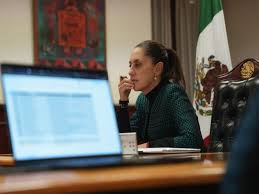
In a landmark decision for gender representation in governance, Mexico has appointed Columba López as its first-ever female agriculture minister. The appointment marks a significant milestone in the country’s political and agricultural history, signaling a broader commitment to inclusivity and diversity in policymaking.
Columba López’s elevation to this key position comes at a crucial time for Mexico’s agricultural sector, which faces multiple challenges ranging from climate variability and water scarcity to market competitiveness and rural development gaps. Her leadership is expected to bring a fresh perspective, particularly in addressing issues that disproportionately affect women in agriculture and rural communities.
The agriculture ministry in Mexico plays a central role in shaping policies related to food security, farm productivity, export growth, and sustainable resource management. López is anticipated to prioritize farmer-centric reforms, strengthen agricultural research systems, and promote climate-resilient farming practices. Her appointment is also seen as an opportunity to enhance support for smallholder farmers, many of whom are women but have historically had limited access to land, credit, and technology.
Experts suggest that having a woman at the helm could lead to more inclusive policy frameworks, ensuring that gender considerations are integrated into agricultural programs. This could include improved access to extension services for women farmers, targeted financial schemes, and initiatives aimed at empowering rural women entrepreneurs.
The move has been widely welcomed by civil society organizations and international observers, who view it as a progressive step toward closing gender gaps in leadership roles within the agriculture sector. It also aligns with global efforts to promote gender equality in decision-making, particularly in sectors that are vital to economic development and food systems.
However, expectations are high. López will need to navigate complex policy environments, balance competing stakeholder interests, and deliver tangible outcomes in a sector that is critical to both livelihoods and national food security. Her success will likely depend on how effectively she can translate inclusive vision into actionable policies.
In conclusion, the appointment of Columba López not only breaks a longstanding gender barrier but also sets the stage for a more equitable and forward-looking agricultural policy landscape in Mexico. It represents a meaningful shift toward inclusive governance—one that could inspire similar changes in other countries striving to modernize their agricultural sectors.


 By
By











