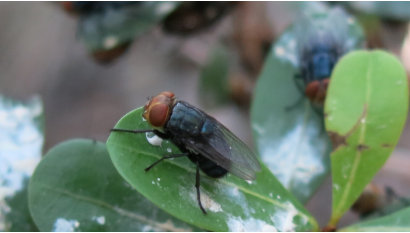
The United States Department of Agriculture (USDA) has announced plans to build an $8.5 million sterile fly facility in Texas as part of a renewed effort to combat the New World screwworm a parasitic insect known to cause severe infestations in livestock. This initiative will be carried out in collaboration with Mexico, with both countries working together to prevent the northward spread of the pest.
The new facility will be located at Moore Air Base in Hidalgo County, close to the U.S.-Mexico border, and is expected to be operational by late 2025. It will focus on breeding and releasing sterile male screwworm flies, a well-established method for controlling the pest population. When these sterile males mate with wild females, it leads to a decline in reproduction, ultimately reducing screwworm populations.
This strategy mirrors the successful campaign from the 1960s that eradicated the screwworm from the U.S. However, recent detections in southern Mexico have raised concerns about a potential resurgence, prompting swift action from both nations.
The USDA is also investing in expanding sterile fly production at an existing facility in Mexico, aiming to produce tens of millions of sterile flies each week. The facility in Texas will strengthen this cross-border response, ensuring rapid deployment and greater reach in high-risk areas.
Officials warn that an outbreak in Texas alone could cost the cattle industry billions of dollars if not addressed in time. The new facility will support ongoing surveillance and prevention efforts while ensuring the safety of livestock and reducing the risk of economic losses.
This cooperative approach underscores the importance of international collaboration in agricultural biosecurity and highlights the role of science and technology in protecting the livestock industry from invasive pests.


 By