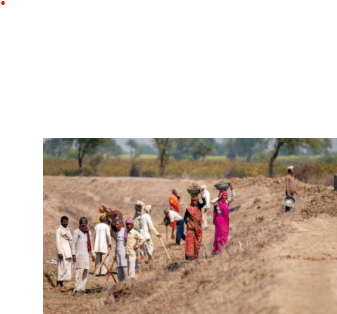
In a major relief for agricultural workers, the Uttar Pradesh government has announced an increase in minimum wages for farm laborers, aiming to improve rural livelihoods and address rising inflationary pressures. The decision comes as part of the state’s broader commitment to supporting its large agricultural workforce, which forms the backbone of the rural economy.
According to the revised structure, the minimum daily wage for unskilled agricultural workers has been raised from ₹372 to ₹408 per day, effective immediately. Skilled and semi-skilled workers will also see proportionate increases, bringing wages more in line with current market conditions and living costs.
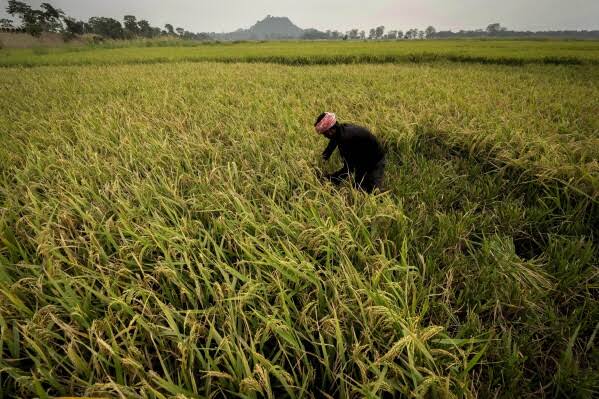
Officials from the state’s Labour Department confirmed that the wage hike was implemented following recommendations from the State Minimum Wages Advisory Board, and after consultations with farmer organizations, labor unions, and rural development agencies. The move is expected to directly benefit millions of daily-wage workers engaged in activities such as ploughing, sowing, harvesting, irrigation, and other allied farming operations.
Chief Minister Yogi Adityanath welcomed the hike, stating that the state remains committed to ensuring fair compensation for rural workers, who are often the most vulnerable segment of the population. “Our government is determined to protect the dignity of labor. This wage revision is a step towards making agriculture not only sustainable but also rewarding for those who dedicate their lives to it,” he said in a press statement.
The wage increase is also expected to have a ripple effect on rural consumption and local economies, as higher incomes among laborers can lead to improved spending on essentials, health, and education. However, some farmers particularly small and marginal landholders have expressed concerns about the increased labor costs. In response, the government is considering additional subsidies and support schemes to offset the financial burden on small farmers, especially during peak agricultural seasons.
Economists and rural policy experts have largely welcomed the move, describing it as a timely intervention that could reduce distress migration from villages to urban areas by making rural employment more viable.
The new wage structure will be closely monitored and adjusted periodically to ensure it remains responsive to inflation and regional labor market dynamics. For now, the wage hike is being seen as a positive step toward balancing farm productivity with worker welfare in India’s most populous state.


 By